Alef Aeronautics launches production of its first flying car

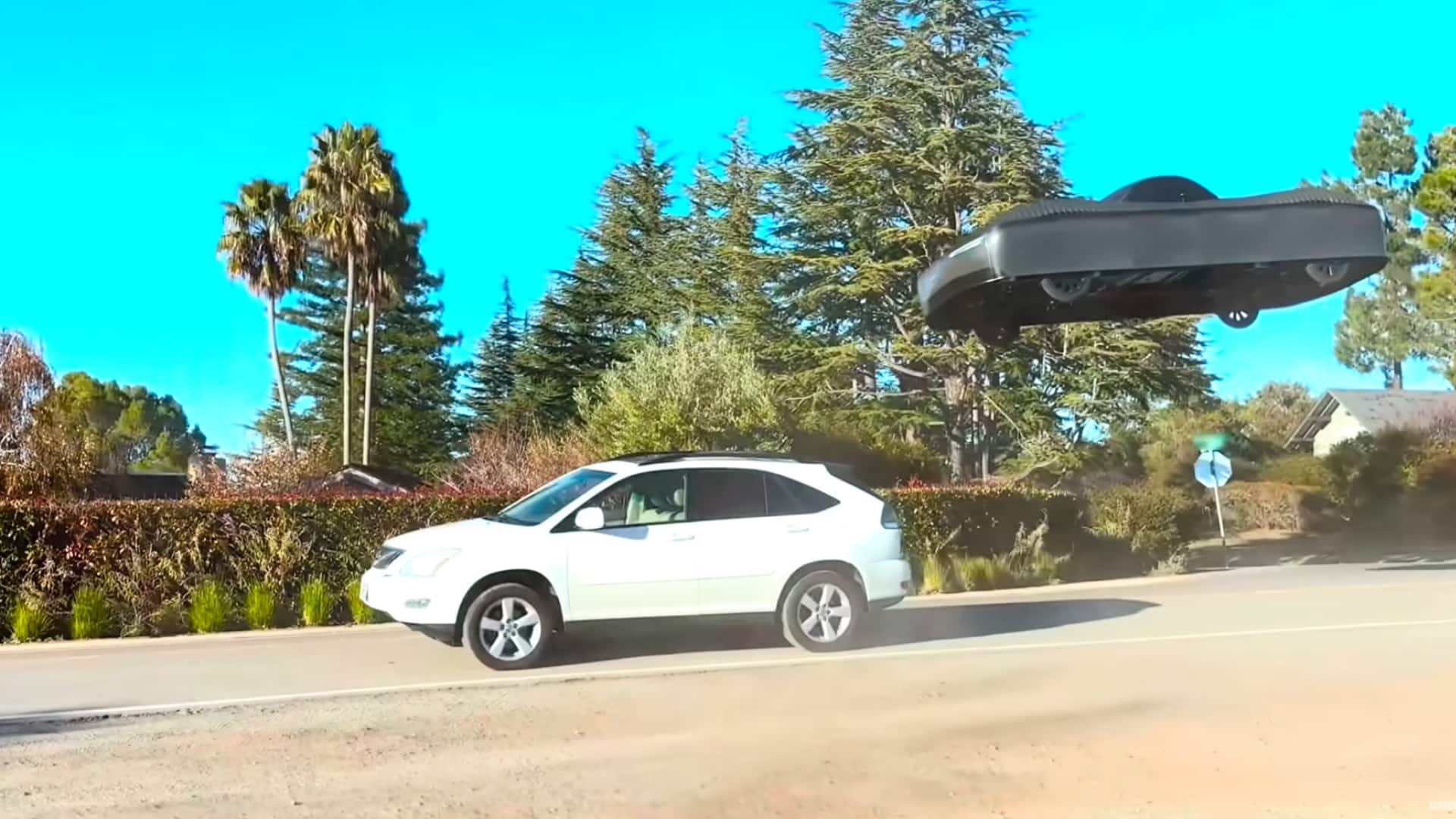
Flying cars were once considered science fiction, but Alef Aeronautics is gradually turning this vision into reality, according to UNILAD. The American company has announced the start of production of its Model A Ultralight, a project widely regarded as the world’s first practical flying car.
Testing and regulatory approval
In 2023, the project received approval from the U.S. Federal Aviation Administration (FAA), allowing it to continue operating legally. In February, Alef successfully completed flight tests of a Model A prototype.
However, unrestricted use is not yet possible. The first flying cars will be delivered to a small group of customers for testing in realistic environments under strict company supervision. Alef also plans to provide training, maintenance and regulatory compliance services.
California production
The Model A is assembled in California at a facility in Silicon Valley. For now, each flying car is handcrafted, and producing a single vehicle takes several months. The company says this stage is necessary to fine-tune the car before launching mass production.
Public reaction and design
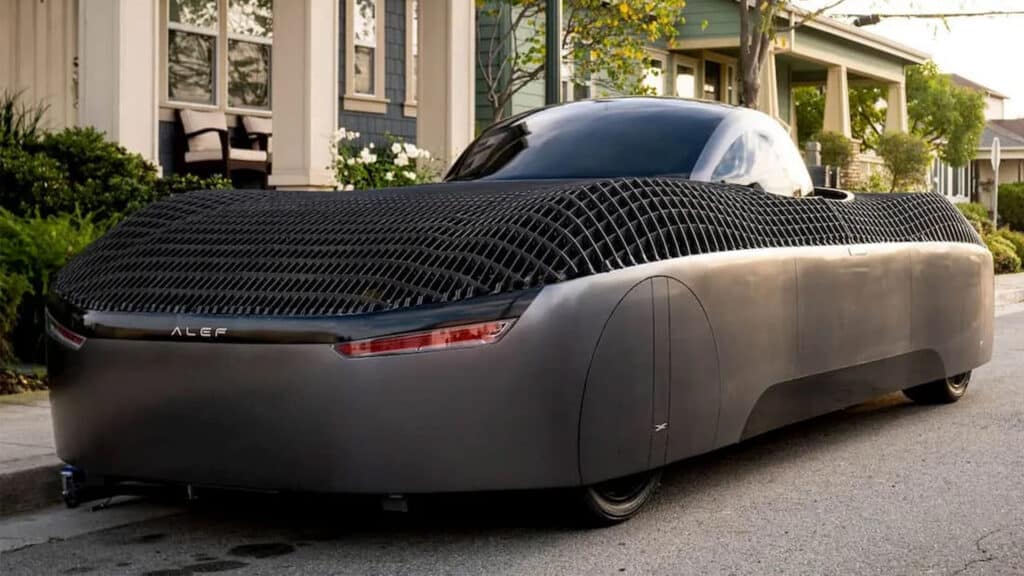
Previously released videos of Model A test flights generated strong online reactions. Many viewers noted the unusual design, comparing it to a large drone housed within a car body.
Essentially, the Model A is a lightweight platform with an electric propulsion system capable of driving on public roads and taking off vertically. Despite skepticism, interest in the project remains high.
Price and demand
Alef has already received approximately 3,500 pre-orders. The price of one vehicle is about $300,000, and the company claims total pre-sales have reached $1 billion.
«We are pleased to announce that production of the first flying car has started right on schedule. We have finally managed to lift production into the air,» said Jim Duchovny, CEO of Alef Aeronautics.
According to preliminary estimates, the first commercial Model A vehicles could be delivered to customers in early 2026. However, it is still too early to talk about mass availability on roads and in the air. The project remains niche and experimental, but its very implementation is already changing perceptions of the future of personal transportation.