UK faces growing deer population problem

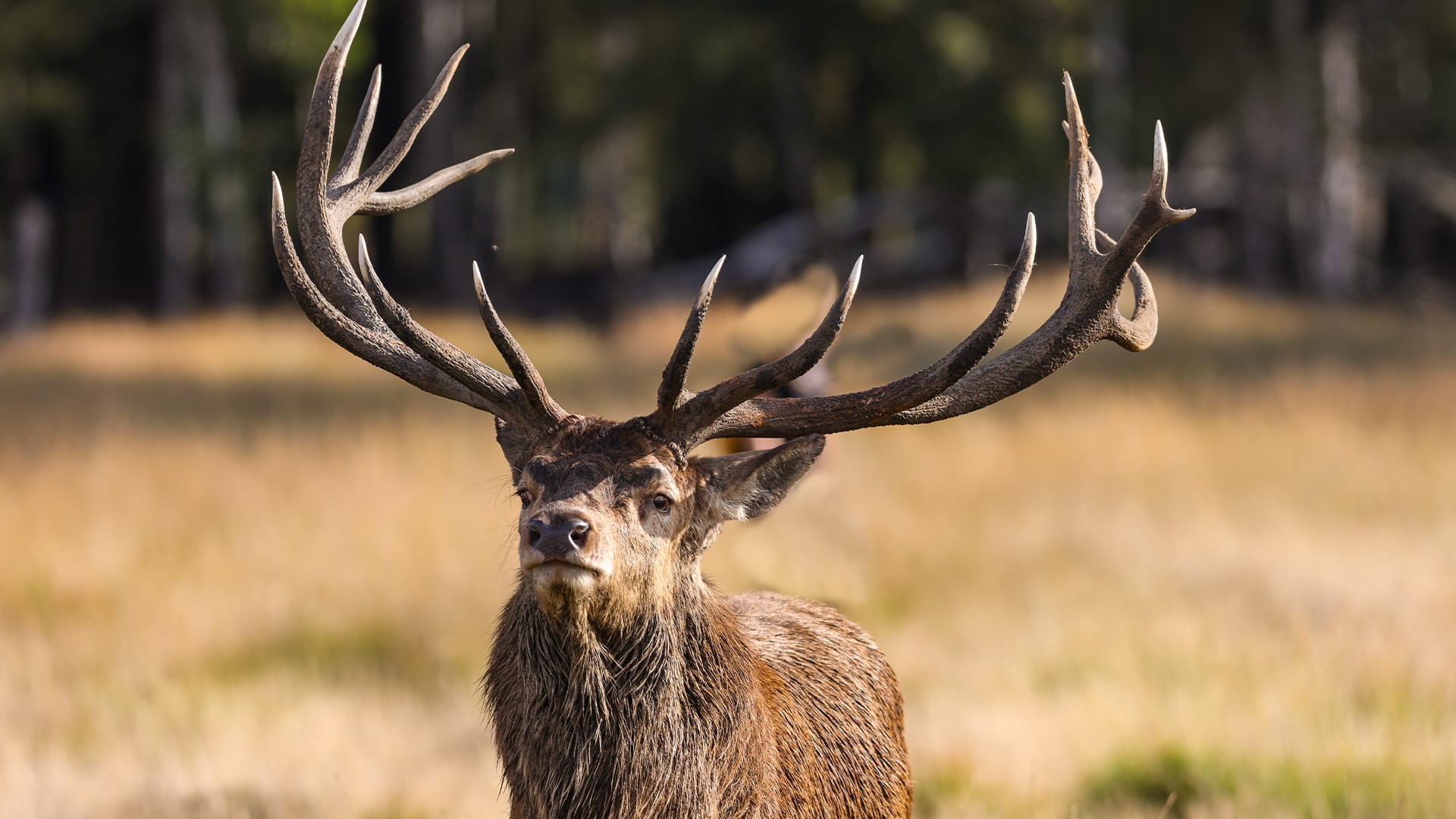
Over the past four decades, deer numbers in the U.K. have increased sharply, creating growing challenges for farmers, drivers, landowners and conservationists. The situation worsened after the COVID-19 pandemic, when culling levels fell significantly, according to the BBC.
Although exact figures remain uncertain, estimates from the Forestry Commission and the Department for Environment, Food & Rural Affairs (Defra) suggest Britain’s deer population may now be around two million — a steep rise from roughly 450,000 in the 1970s.
The expanding population has contributed to an increase in vehicle collisions, crop losses, woodland damage and pressure on natural ecosystems. Although no comprehensive national estimate of the total economic cost exists, Scottish authorities reported in 2021 that deer caused about £3 million in annual damage to young trees in the country’s national forests alone.
In 2022, Defra acknowledged the need for more sustainable approaches to deer population management. Proposed measures include expanded culling, increased fencing and, more controversially, the reintroduction of apex predators such as lynx or wolves, similar to what has been done in other countries.
Some experts argue that increased venison consumption could also be part of the response. Supporters say venison is a sustainable food source that is lower in saturated fat than beef and that reducing deer numbers could help restore damaged landscapes.
Similar challenges are emerging elsewhere. In Kazakhstan, conservation efforts have helped the saiga antelope recover from near extinction to a population exceeding four million. Authorities are now seeking to manage that growth, with culling widely viewed as the most effective option, and plans are underway to develop meat-processing facilities specifically for antelope meat.