German scientists name newly discovered bee species after Kazakh spring festival

German entomologists have described a new species of bee, Andrena aequinoctialis, discovered in southeastern Kazakhstan. This marks the ninth known species within the subgenus Planiandrena, which previously included only eight species found across Central Asia, Iran, Israel, and other parts of the Middle East.
Named after Nauryz
The bee was discovered on March 21, 2025, in the steppe approximately five kilometers northwest of Tamgaly in Kazakhstan’s Almaty region. The date coincides with the beginning of Nauryz, the traditional spring equinox holiday, which inspired the species name aequinoctialis — derived from the Latin word for «equinox.»
The specimen was collected while visiting a flowering Gagea bulbifera, a bulbous plant in the lily family that blooms abundantly in the steppe during early spring.
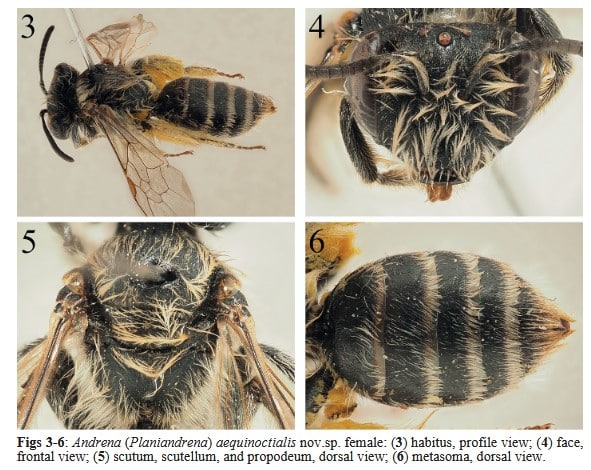
The female bee was found covered in pollen from this plant. Researchers note that many Planiandrena species in Central Asia are closely associated with early-flowering bulbous plants, in contrast to their Middle Eastern counterparts, which more commonly forage on trees.
Fauna of Kazakhstan
The genus Andrena is the second-largest bee genus in the world, comprising more than 1,700 species. In Central Asia, the group remains insufficiently studied, and new species continue to be discovered and described.