Unpacking the consequences of narcissistic governance in 2026

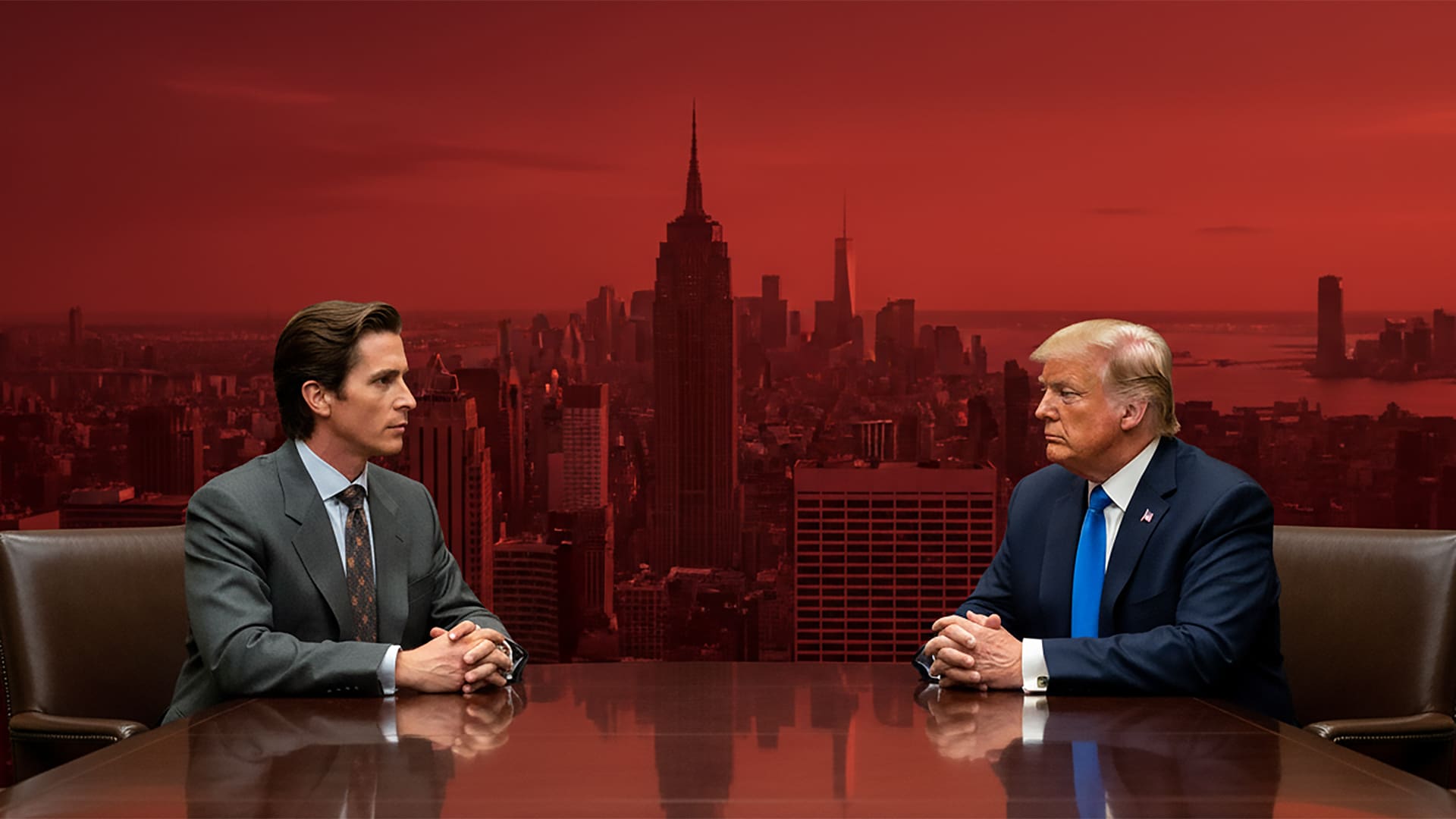
Attempts to decode Trumpism through standard political frameworks often miss the mark. They presume calculation where instinct dominates. As writer Aron Solomon argues, the damage Donald Trump has inflicted on the rule of law and on global relationships cannot be sufficiently explained by ideology, or even by corruption alone. A clearer lens, Solomon suggests, is narcissism elevated into a governing principle.
Narcissism as a governing logic
From this perspective, Trump’s behavior is not erratic but internally consistent. Solomon has proposed an unsettling metaphor to capture this logic: Patrick Bateman, the fictional antihero of «American Psycho.» Bateman is not guided by rules; he barely acknowledges their existence. Law, morality, and consequence function as ambient noise, constraints meant for others, not for him. Trump, Solomon suggests, governs from a similar psychological interior.
Institutions as personal affronts
Within this mindset, opposition is not disagreement but insult. Courts that rule against Trump are labeled corrupt, not because their legal reasoning fails, but because their authority challenges his self-conception. Journalists become enemies simply by observing and documenting. Allies are valued only so long as they remain compliant. The moment they assert autonomy, they become disposable. Treaties are framed as humiliations. Norms are treated as liabilities. Accountability itself is recast as victimization.
The fragile fiction of the rule of law
The rule of law rests on a collective belief system: that power accepts limits, that leaders can lose, that institutions outweigh personal ego.
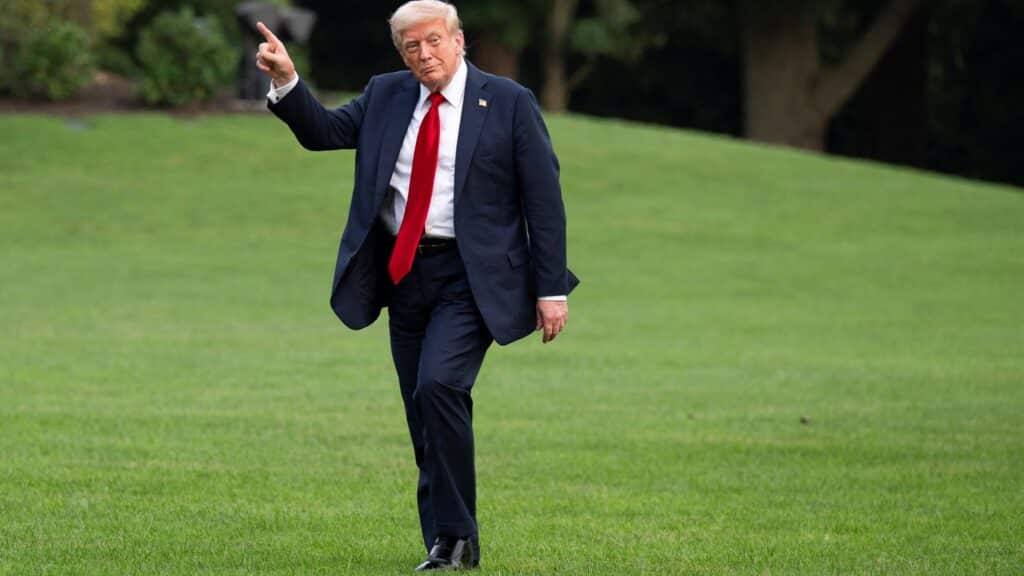
Narcissism undermines every one of these assumptions. It cannot tolerate constraint, accepts no loss, and recognizes no authority beyond itself.
Cruelty without rage
Bateman’s violence, Solomon notes, is not fueled by anger. It springs from boredom and entitlement. He harms because he can. He destroys norms because destruction confirms dominance. Lying becomes a performance of freedom from truth. Public humiliation of others serves to reinforce hierarchy. In this way, cruelty is not emotional; it is instrumental.
Policy by erosion
When narcissism takes hold of the state, Solomon emphasizes, cruelty rarely announces itself. There are no explicit death camps, only indifference. There is no formal repeal of law, only uneven enforcement. There is no outright rejection of democracy, only the steady draining of trust until civic participation feels pointless. Harm is administered quietly, bureaucratically, and plausibly.
When violations become the system
Bateman evades justice not because law enforcement is incapable, but because society refuses to truly see him. His late confession changes nothing. There is no release, no reckoning, no moral reset. The system absorbs the truth and continues as if untouched. Solomon argues that Trump’s assaults on the rule of law operate in the same fashion. Each breach is framed as shocking yet singular. Each norm violation is dismissed as personality. Each falsehood is waved away as political theater. Over time, these exceptions harden into the operating system itself.
The final warning
The ultimate danger, Solomon warns, is not narcissism alone but a society that rebrands it as mere character. When power shaped by narcissism goes unchallenged, it ceases to be recognized as pathology and is instead normalized as leadership. By the time it is fully visible, it is already embedded.