Predators into politicians: The dark reality of Russia’s pardoned-criminal elite

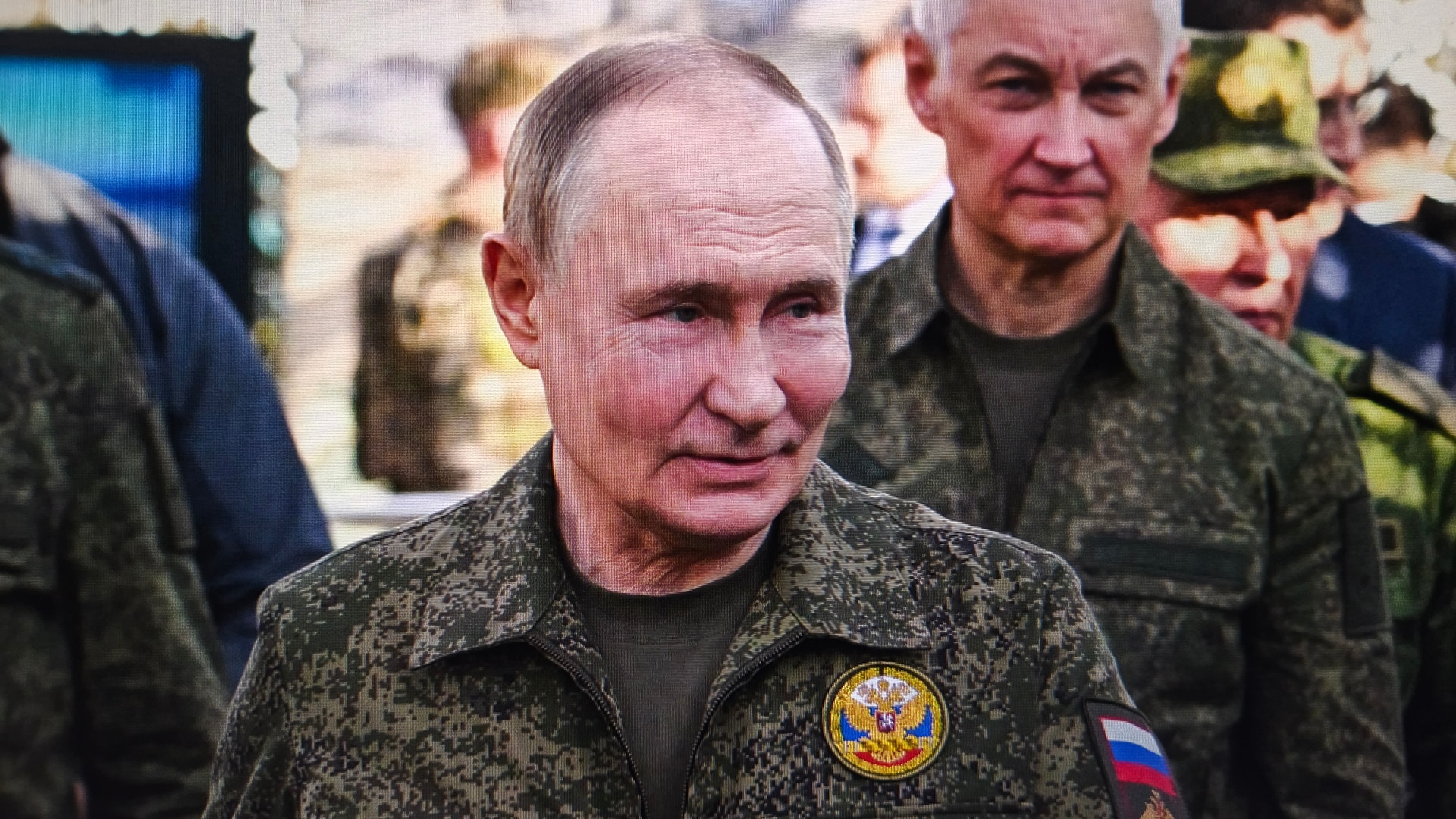
The large-scale return of Russian veterans from the war in Ukraine to civilian life has become one of the most serious anxieties inside Russia, according to Novaya Gazeta Europe. The concern is not abstract. It is already showing measurable and disturbing consequences.
A surge in violence after the front
As soldiers come home, crime rates are rising. Veterans celebrated by the state as heroes of the so-called «special military operation» have been implicated in murders, sexual assaults, robberies, fraud schemes, deadly traffic incidents, and drug trafficking. Journalists Daria Talanova, Sonya Richter, and Ksenia Storozheva examined every available criminal verdict involving war veterans and found more than 8,000 such rulings issued by Russian courts since 2022.
Why the numbers understate the problem
In raw statistical terms, 8,000 verdicts represent only a small share of the crimes committed in Russia each year. But these figures are misleading. Court rulings reveal only the visible tip of what the journalists describe as the «war’s impact on crime.»
Many veterans avoid sentencing altogether. While under investigation, they are often offered a deal: sign a contract with the Ministry of Defense and be sent to the front to «redeem guilt with blood.» Additionally, prisoners convicted of serious violent offenses before the war are routinely transferred from penal colonies to the army, where service can lead to full pardons.
The dismantling of justice as recruitment policy
The second, deeper problem lies in how the Kremlin recruits manpower. In Vladimir Putin’s drive to replenish the army with new «volunteers» and «patriots,» criminal law itself has been hollowed out. The foundational idea of justice, that punishment follows crime, has effectively collapsed.
For the relatives of victims, this is not theoretical. They now live with the knowledge that murderers and rapists may never be punished, that perpetrators can disappear into the military system and return later as free men.
Veterans as the state’s chosen elite
The third danger is political and social. Putin has openly signaled his desire to elevate war veterans into a new Russian «elite.» Combined with selective justice and widespread fear of challenging the military, this creates an added layer of threat for society.
Citizens are not only expected to coexist with people accustomed to violence and impunity. The state also plans to present these individuals as moral authorities and leaders: lawmakers, officials, managers, and supervisors. Veterans and their families are promised special privileges and benefits, financed by taxpayers who did not take part in what critics describe as a criminal war.
The result is a system in which violence is rewarded, accountability is optional, and fear replaces trust.