
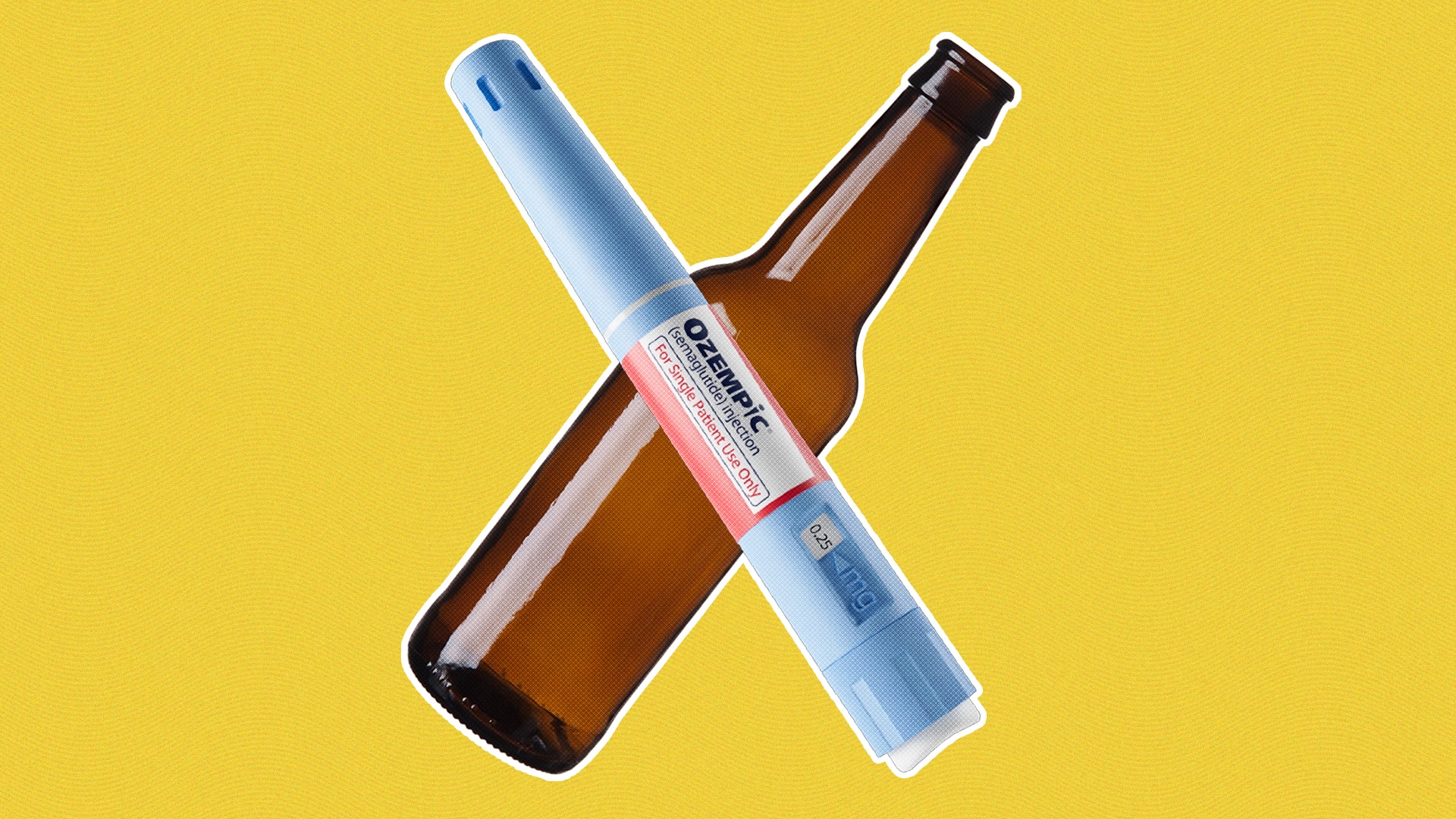
Scientists believe the widely known diabetes drug Ozempic may have uses beyond weight loss, potentially helping people struggling with addiction.
Read also: The Ozempic effect: How weight-loss drugs are reshaping consumer behavior.
According to The Guardian, a recent study published in the British Medical Journal suggests the medication could reduce the risk of overdose among people who use illegal substances. Researchers also identified possible benefits for individuals with alcohol dependence.
Findings from a large U.S. study
One American study tracked more than 600,000 veterans with type 2 diabetes over three years.
Read also: Big boy summer: Why larger men are 2026’s biggest trend.
The results indicated that GLP-1 drugs (synthetic versions of a hormone that regulates appetite, digestion and blood sugar) such as Mounjaro and Ozempic were associated with a lower risk of alcohol- and drug-related problems among people who previously had no history of addiction.
Researchers urge caution
Because the research was observational, scientists stress that the findings do not prove the medications prevent or treat addiction. Additional studies — including controlled clinical trials — are needed to determine whether GLP-1 drugs have a direct therapeutic effect.
Read also: The ‘Dr. Now’ of fitness: Kazakh trainer leading massive weight loss missions.
Another study found that most people who stopped taking GLP-1 medications regained about 60% of the weight they had lost within a year.