
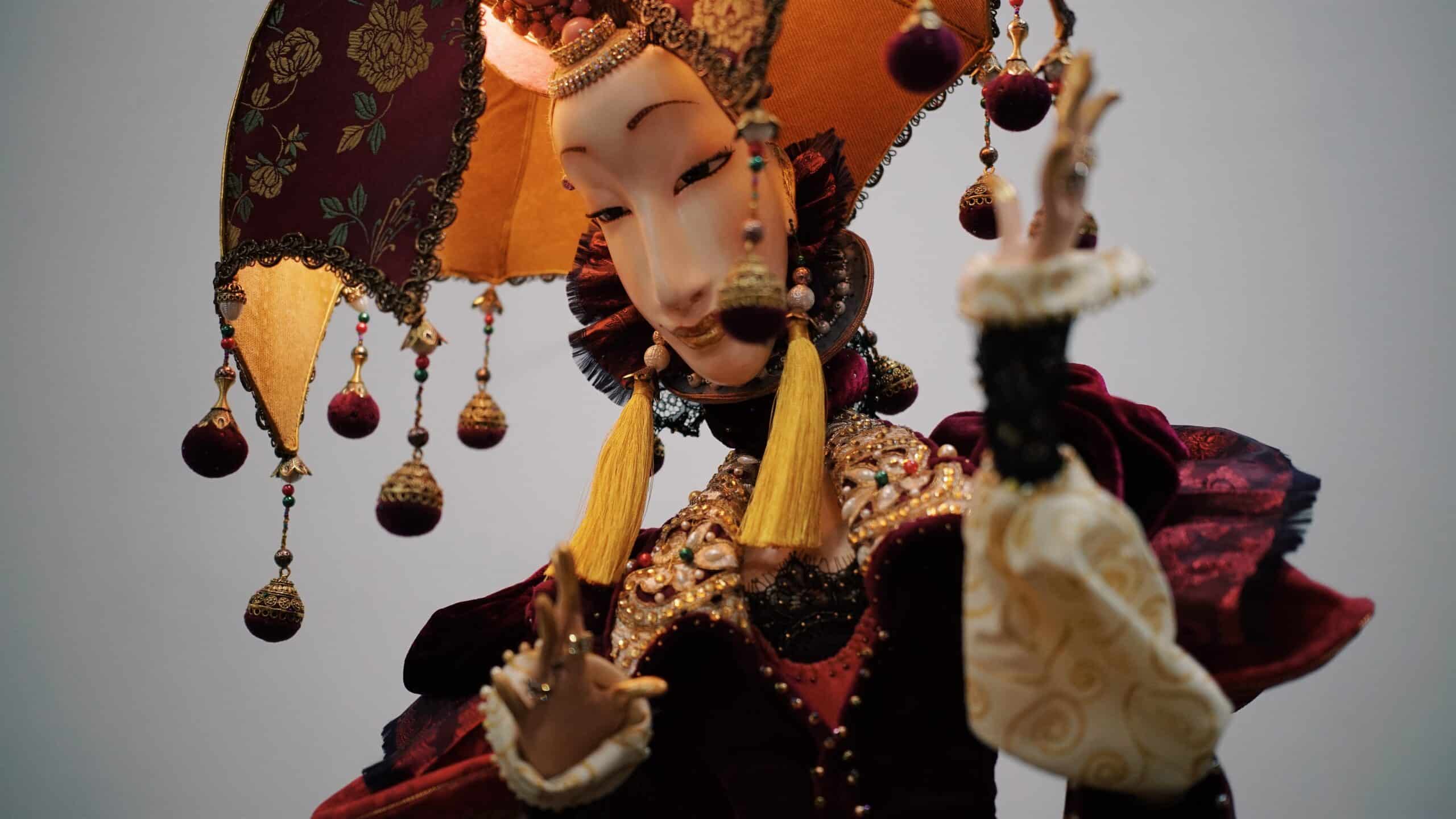
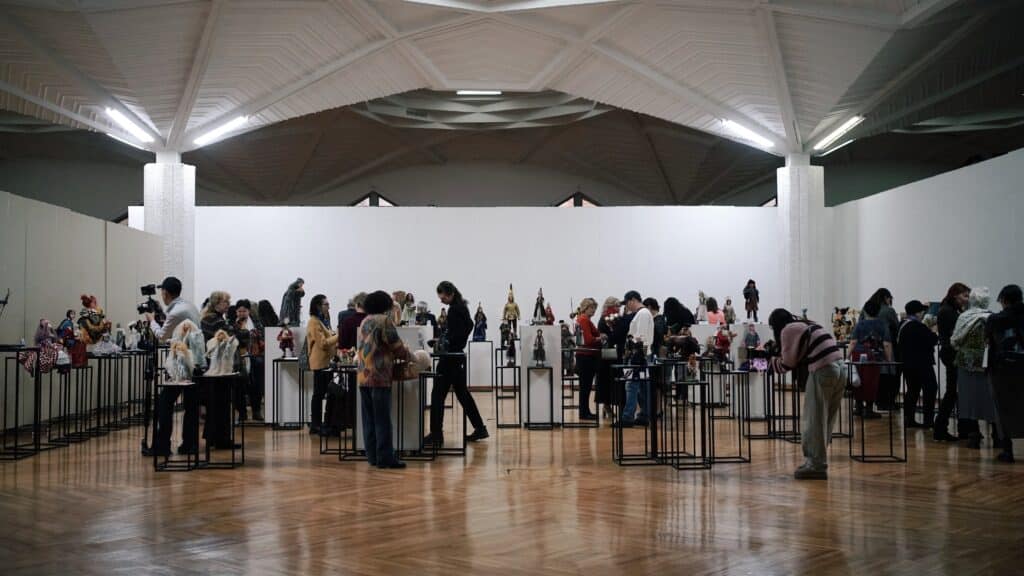
The doll art exhibition titled «From East to West» opened March 4 at the National Central Museum of Kazakhstan.
The exhibition features 140 works by 21 artisans from cities across Kazakhstan. According to organizers, each doll in the collection is unique. Even when a particular design becomes popular, artisans do not produce replicas for sale.
Read also: Stitches of the steppe: The forgotten art of traditional Kazakh dolls.
Exhibition organizer Tatyana Fisenko said she has been involved in the craft for nine years.
Prices reflect time and craftsmanship
Prices for the works on display start at 10,000 tenge ($20) and can reach 500,000 tenge ($1,000), according to Fisenko. Artists determine the price based on the doll’s size and the amount of labor required.
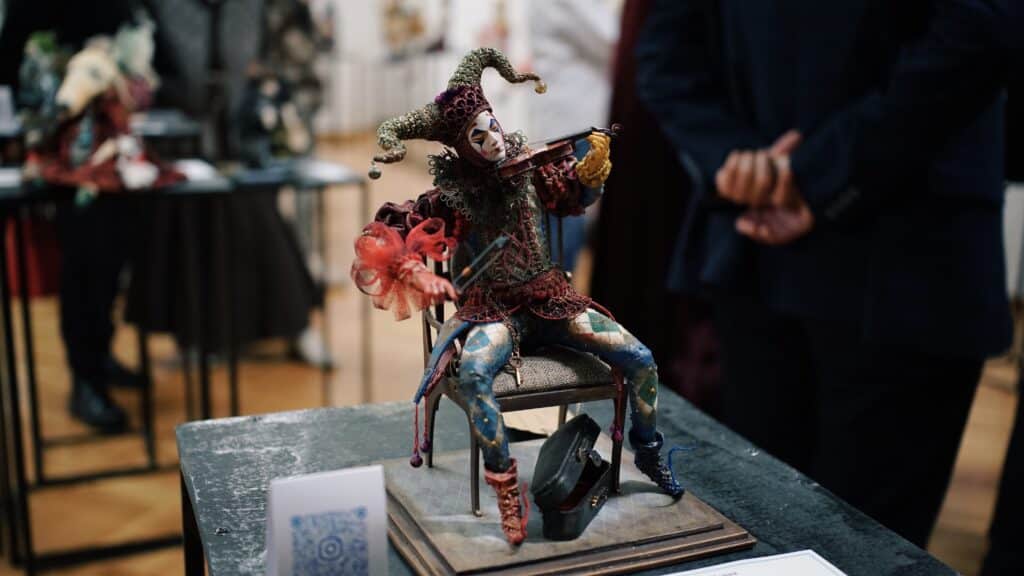
She explained that creating a single doll typically takes at least a week, while more complex pieces can take several months to complete.
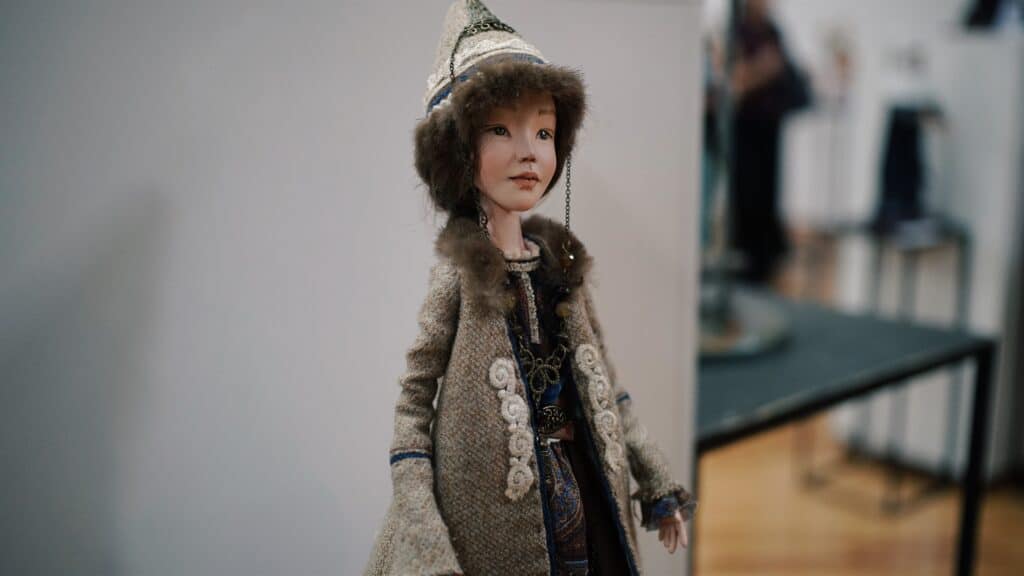
Many of the artisans represented in the exhibition originally began making dolls as a hobby alongside their primary careers. Some still balance the painstaking manual work with other professions.
Read also: How photographers saved Almaty’s fleeting street art.
Finished figurines are purchased by private collectors and galleries, including buyers from neighboring countries.
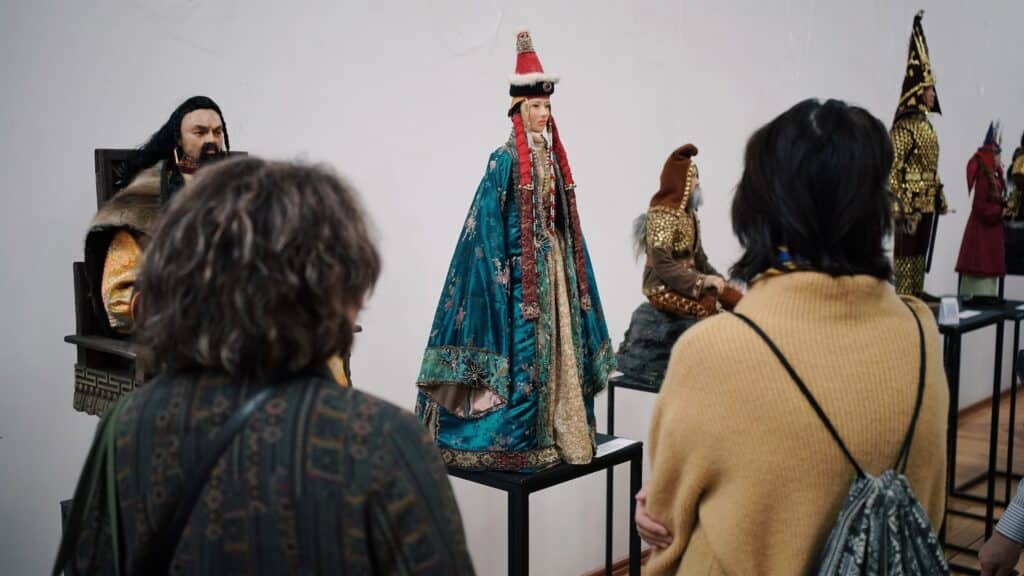
National costumes in high demand
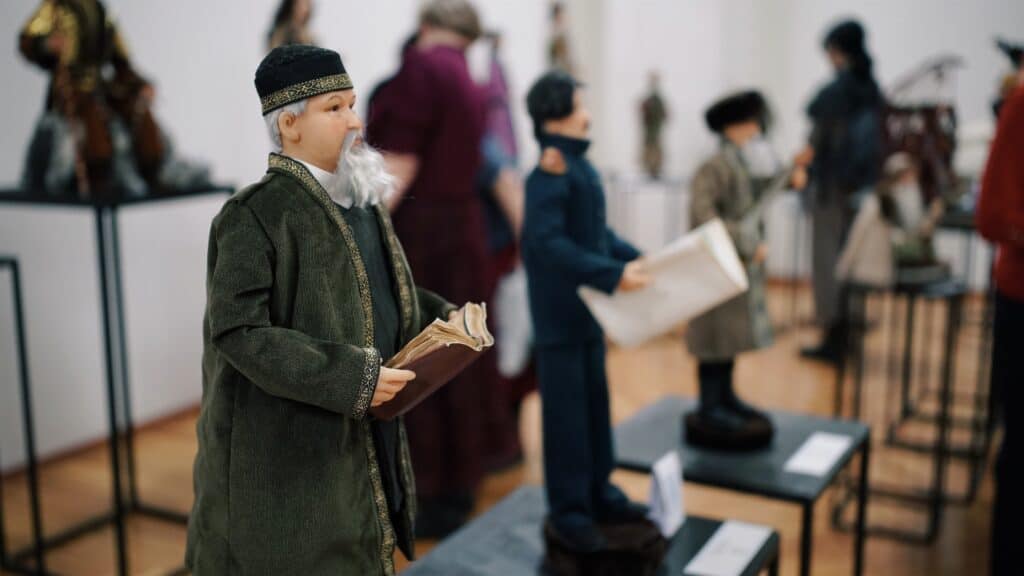
According to the artists, dolls dressed in traditional national costumes are the most popular with buyers.
These pieces tend to resonate more strongly with the public and are often purchased as gifts for foreign guests or relatives abroad.
Composite images and artistic inspiration
Among the most eye-catching works in the exhibition are those created by Irina Samonova, a trained set designer who has been working with dolls for about 20 years.
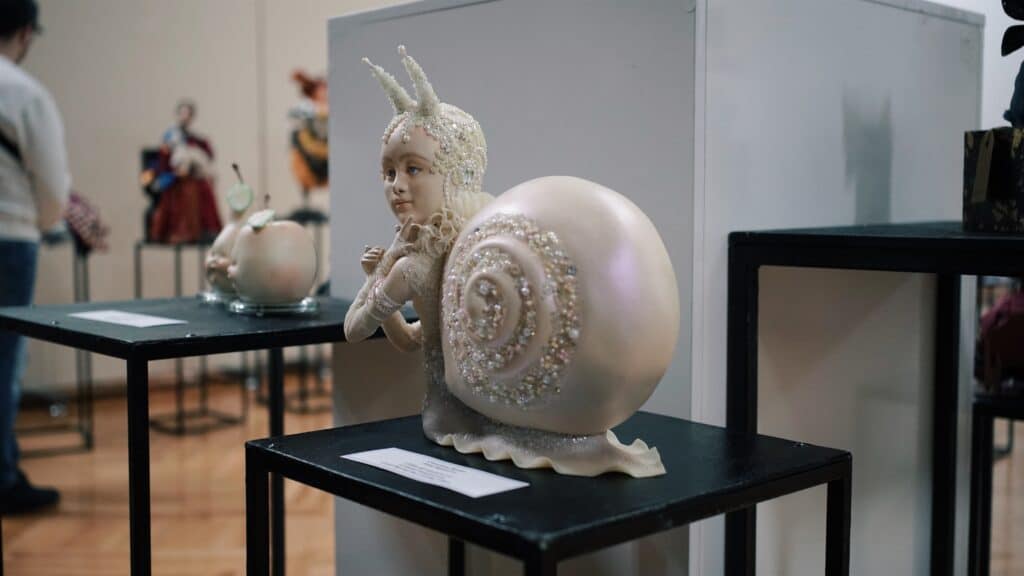
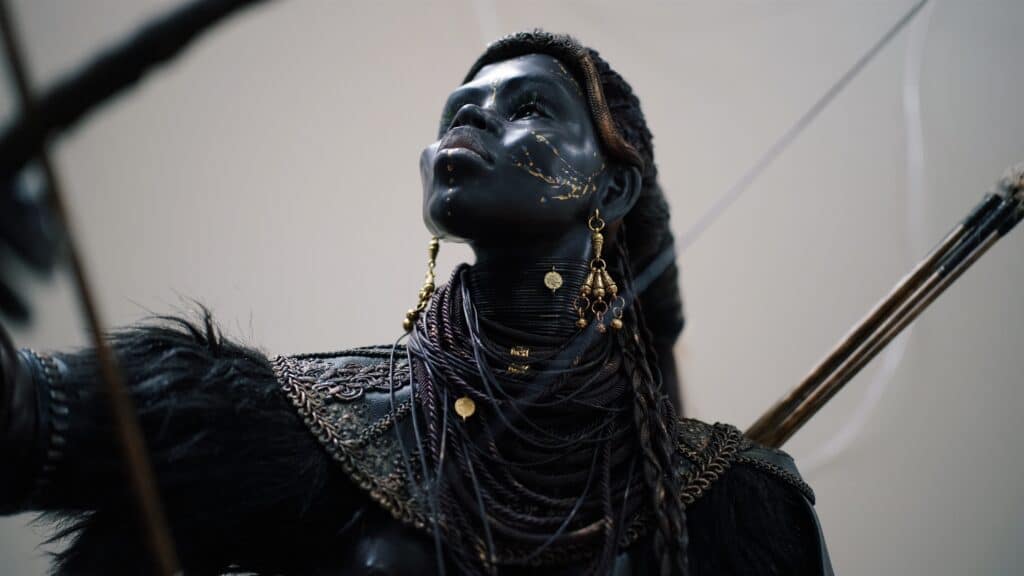
Large works in her collection are priced accordingly. One piece depicting a Black woman is valued at about $400, while another large doll in red is priced at $1,000.
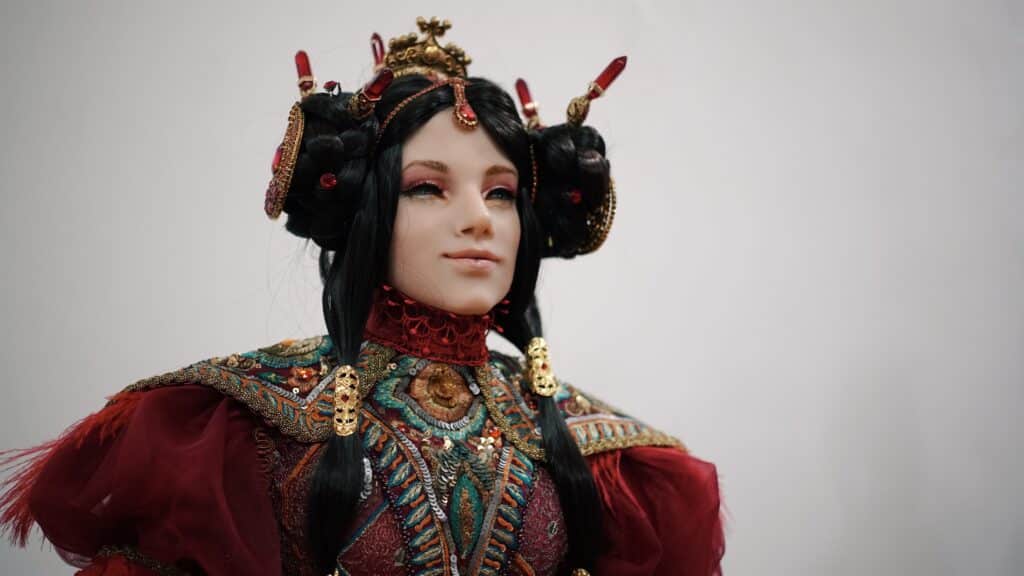
Samonova said her creations are not based on specific individuals. Instead, they are built from impressions and details she encounters.
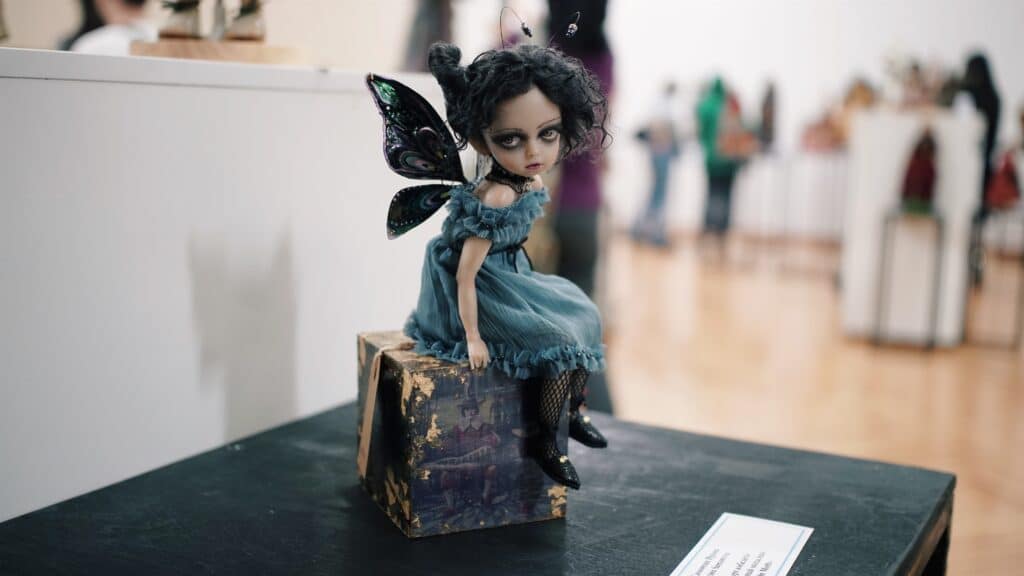
She explained that inspiration often comes from browsing photos and noticing colors, textures or the play of beads. These elements gradually combine into a composite image that eventually takes shape in her mind.
Read also: Kusama in Kazakhstan: New Almaty museum unveils modern art Mecca.
Unlike many museum displays, the dolls are not enclosed behind glass, allowing visitors to view the intricate details of the craftsmanship up close.