Ikigai on a budget: How to turn your favorite hobby into a side hustle


Do you ever get an idea that keeps you up at night? You can already picture your logo, your first clients and the inevitable «How I built a company from scratch» interview.
Read also: How to think like a millionaire: A guide to handling wealth.
It may feel as if the world has been waiting for your innovation. That spark of excitement — when everything suddenly seems possible — is often the moment when many founders decide to launch.
But where do those ideas actually come from?
Where to look for business ideas
Start by paying attention to what people already ask you for.
If friends ask you to check why their washing machine isn’t spinning, help them buy stocks or bake the best cherry pie, you may already have the foundation for a business. In other words, your opportunity may lie in something you already know how to do — and something others are willing to pay for.
One useful framework for organizing ideas is Ikigai, a Japanese concept associated with longevity and life satisfaction, often linked to residents of Okinawa.
Read also: Forget Steve Jobs, meet Abai: The unlikely guru for Kazakhstan’s entrepreneurs.
The idea is to find purpose at the intersection of four questions:
- What do I love?
- What am I good at?
- What are people willing to pay for?
- What does the market need right now?
Where those answers overlap, you may find a viable business idea.
Real stories of aspiring entrepreneurs
Entrepreneurship rarely begins with instant success.
One example is Cory Stout, founder of the wooden eyewear brand Woodies. At 25, he traveled to Guangzhou, China, where he saw firsthand how a large share of the world’s consumer goods are manufactured. The experience inspired him to launch his own product.
His first attempt — selling watches — ultimately failed despite strong sales through Groupon.
Instead of giving up, Stout pivoted. He launched a new business selling wooden sunglasses, starting with crowdfunding and eventually expanding onto major e-commerce platforms such as Shopify and Amazon.
Read also: Kazakhstan considers licenses for fortune tellers.
Today, the company generates more than $1 million in annual revenue and operates with a small team that even includes the founder’s mother.
Another example is the brand LOVEgoods, created after its founder struggled to find simple, comfortable underwear in stores.
Founder Olga Kolchenko, from the city of Omsk, started the business with minimal investment. She tested early designs on friends and relied heavily on social media to build an audience.
Business ideas aren’t always about tech
When people think about startups, they often imagine artificial intelligence or Silicon Valley-style tech companies.
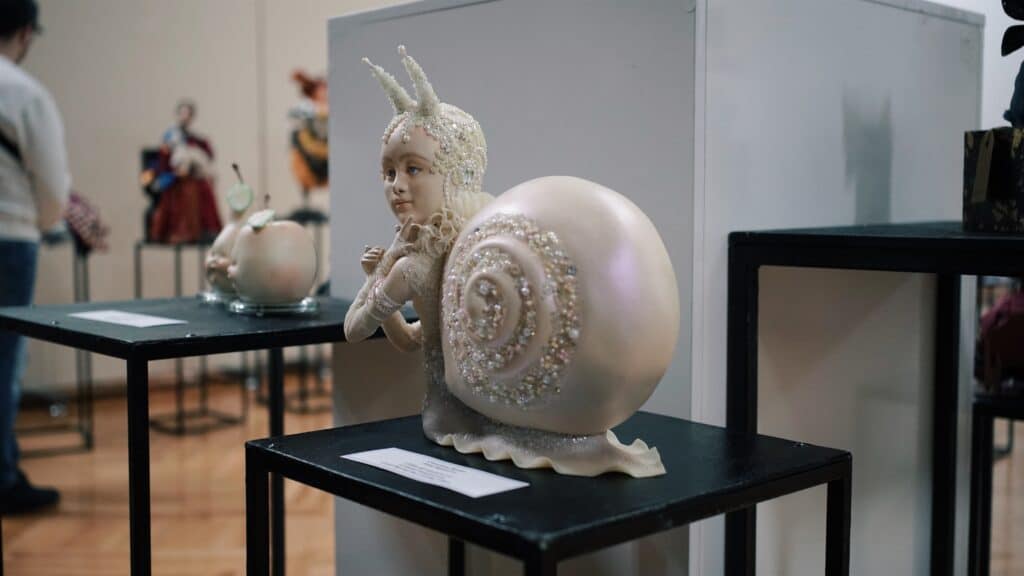
Read also: Hyper-realistic Kazakh dolls are the new must-have art.
But many successful businesses are much simpler: they solve a specific customer problem.
Common ideas discussed on entrepreneur forums include:
- Sneaker cleaning and repair. Many people would rather pay to restore their favorite shoes than buy new ones.
- Furniture restoration. Buy an old dresser cheaply, repaint it, replace the hardware and sell it as vintage décor.
- Microgreens farming. Growing arugula or watercress requires relatively low costs, while local cafés often need fresh produce.
- Home organization services. Helping clients declutter closets or kitchens and organize spaces with storage systems popular on platforms like Pinterest.
- Stylish cat furniture. Instead of bright plush towers, some owners want modern wooden designs that match their home décor.
Before launching any idea, however, it’s essential to ask one key question: Is there real demand?
Check search trends, competitor advertising and marketplace listings. Create a minimal version of your product and test it. Expect to test multiple hypotheses — and invest not only enthusiasm but also time and money.
Blogging as a business
Media and personal branding have become a separate category of entrepreneurship.
Niche blogs on platforms such as Instagram or Telegram with 10,000 to 50,000 followers can earn consistent income from advertising and brand partnerships.
Paradoxically, smaller creators are often trusted more by their audiences. Many followers see them as relatable — «one of us» — rather than distant celebrities.
Fears that stop people from starting
Nearly every aspiring entrepreneur encounters the same fears.
Waiting for financial stability
Many people say they won’t start a business until they have a stable income.
The problem is that in entrepreneurship, the «perfect moment» rarely arrives. A more realistic approach is to test your idea while keeping your regular job.
Fear of running out of money
In a traditional job, a salary arrives on schedule. Business income can fluctuate dramatically.
It’s important not to romanticize risk — but also to understand that fear often diminishes once you gain your first experience.
Believing you need large startup capital
Many people assume they need investors before they can begin.
In reality, countless projects start with minimal resources: services, reselling, digital products or blogging. Money helps, but persistence and time are often more important.
Start small, but start
One of the most common mistakes entrepreneurs make is quitting too early.
You don’t need to quit your job tomorrow. Start by taking the first step: test demand, gather feedback and refine the idea.
The principle of compound growth applies here as well. Small, consistent actions can produce significant results over time.
Start small — and allow yourself to make mistakes.