Cuba in the dark: Trump’s takeover threats spark chaos

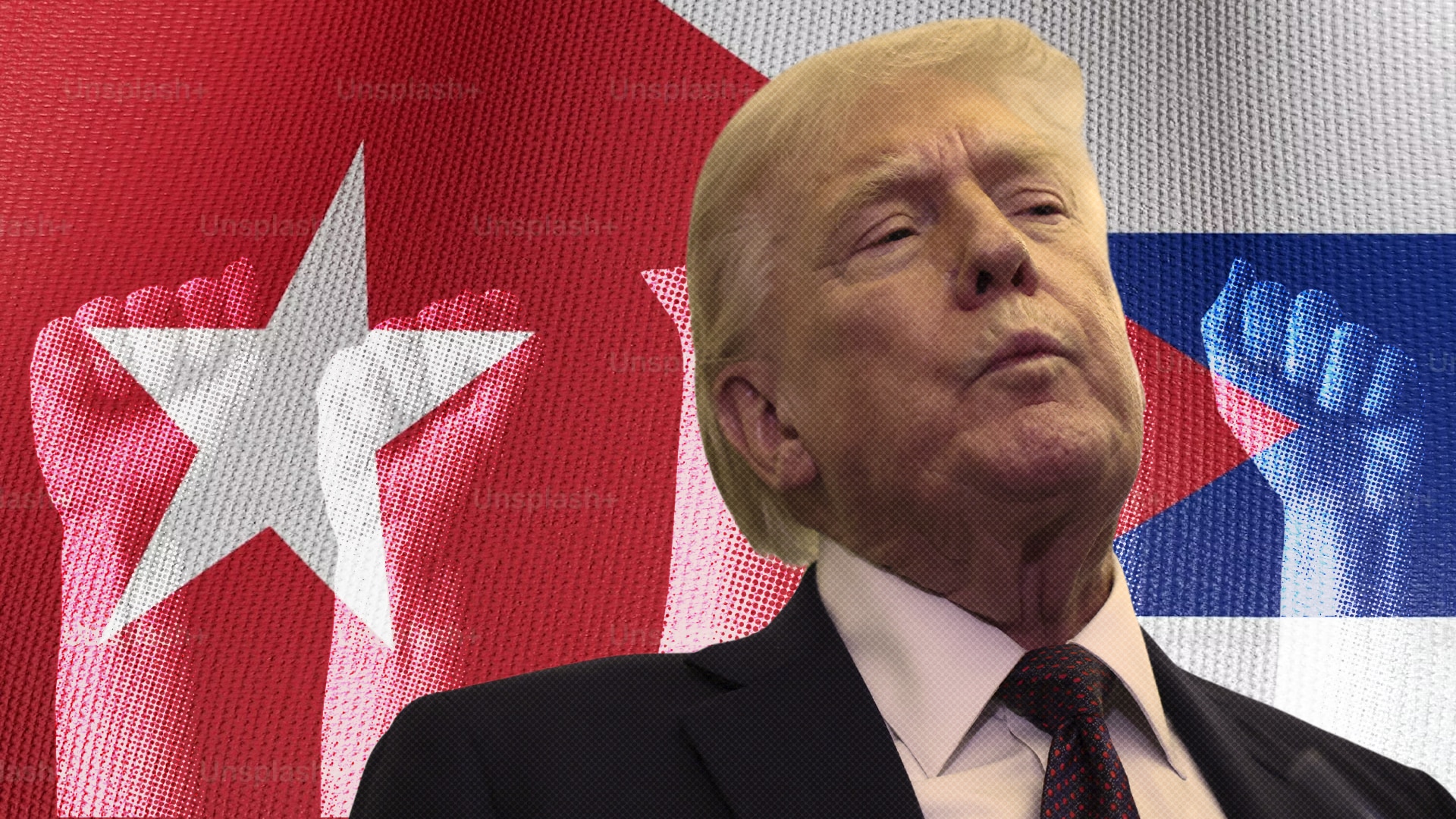
Cuba’s national power grid collapsed Monday, leaving nearly the entire population of about 11 million people without electricity. The outage underscored the island’s worsening energy crisis, driven by aging infrastructure and fuel shortages.
Much of Cuba’s electricity system depends on oil-fired plants, many of them outdated. Disruptions tied to U.S. restrictions on fuel imports have contributed to recurring breakdowns and widespread outages. The situation has triggered rare violent protests, Tangle reported.
Trump weighs stronger action
Amid the turmoil, Donald Trump has publicly floated the idea of taking control of what he described as a «very weakened» Cuba.
At the same time, Washington and Havana have opened discussions aimed at easing tensions and addressing the immediate crisis, though details remain limited.
Divided views in the U.S.
Opinion in the U.S. remains split. According to Tangle’s editorial team, many conservatives support efforts to remove Cuba’s government, though not all advocate military intervention. Some observers also point out that past attempts to force political change on the island have fallen short.
On the left, critics argue that Trump’s approach — particularly tightening energy restrictions — could worsen humanitarian conditions and carry long-term geopolitical consequences. Some describe the policy as unnecessarily punitive.
Risks of intervention
Isaac Saul, executive editor of Tangle, cautions against drawing overly simple comparisons between Cuba and countries such as Iran or Venezuela.
Read also: Ready for anything: Analyst breaks down Iran’s survival strategy in 2026.
While there are parallels, he notes that Cuba’s proximity to the U.S. and its location within Washington’s sphere of influence make it a distinct case. The island’s ties with Russia and China further elevate its strategic importance.
Still, Saul argues that these factors do not make intervention a clear solution. Even non-military involvement carries risks, particularly given the already fragile conditions on the ground.
Economic pressure alone rarely leads to regime change, he notes, and often precedes military escalation. Given the long and fraught history between the two countries, many Cubans would likely view any U.S. intervention with skepticism rather than support.
Broader geopolitical context
The situation in Cuba is unfolding as U.S. foreign policy faces mounting pressure elsewhere, including an expanding conflict in Iran and recent actions in Venezuela.
Saul argues that Trump’s rhetoric — emphasizing how easily the U.S. could «take» Cuba — reflects a broader pattern. Rather than framing the issue around democratic principles, he suggests, the approach appears driven more by political ambition than by concern for the Cuban people…