Eyes down: The countries where eye contact is rude

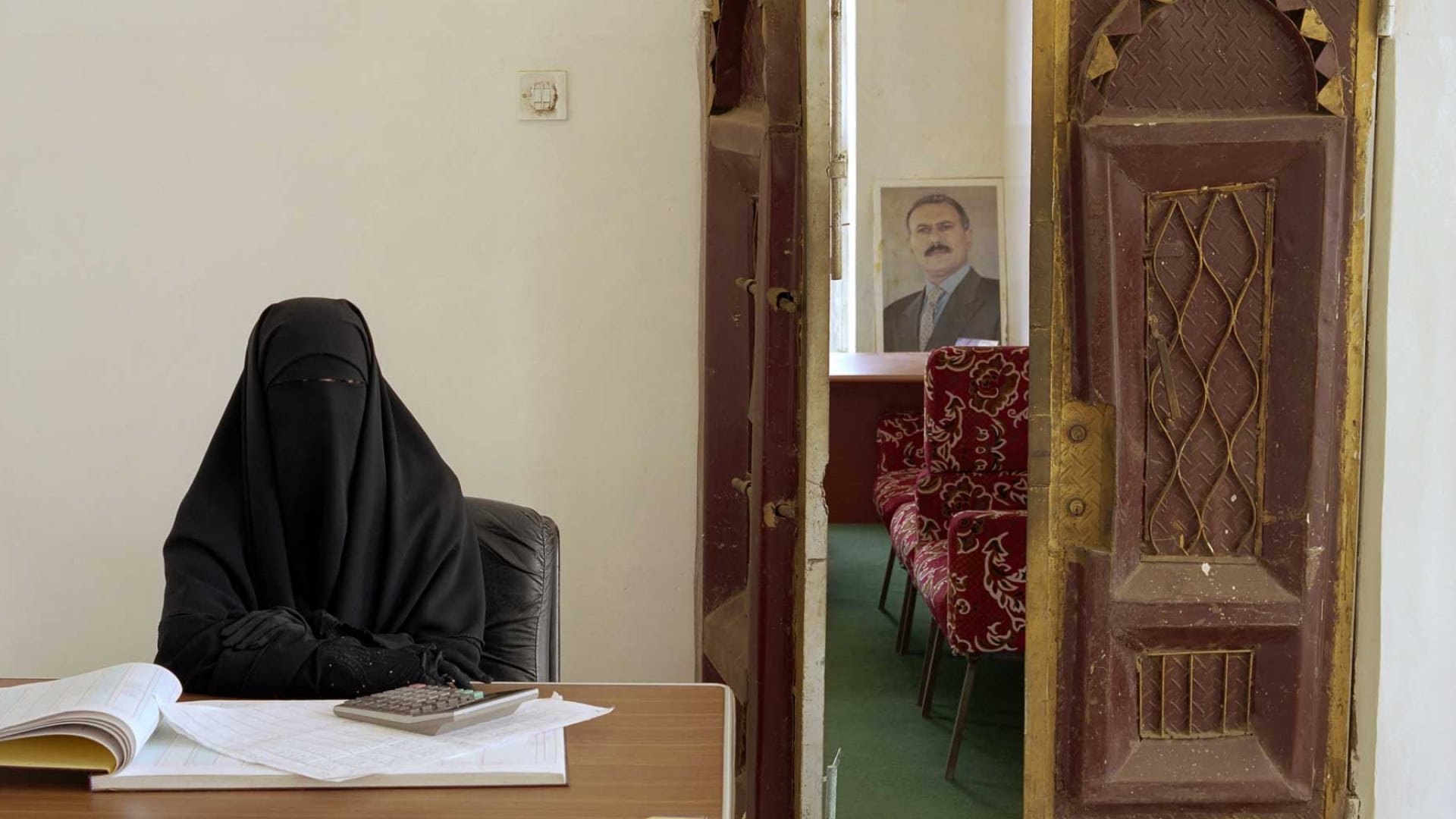
In some parts of the world, eye contact is a sign of confidence and trust. In others, it can be seen as intrusive or even disrespectful.
A recent ranking by World Population Review highlights how attitudes toward eye contact differ across countries, noting that avoiding direct gaze is more common in parts of Asia and Africa, while it is generally expected in Western societies.
Respect and hierarchy shape behavior
In Japan, prolonged eye contact may be interpreted as confrontational, particularly in formal or professional settings. Similar expectations exist in South Korea, where avoiding direct gaze can signal respect, especially toward elders or authority figures.
In Nigeria, children in many communities are taught to lower their eyes as a sign of politeness, according to WPR.
Cultural norms in China also emphasize respect for hierarchy, and avoiding eye contact can be a way to demonstrate deference. In India, similar patterns are often observed, particularly in more traditional or rural settings.
Direct gaze valued in the West
By contrast, in countries such as the U.S. and Germany, maintaining eye contact is typically associated with honesty, confidence and active engagement in conversation.
Read also: Bureaucracy in pictures: A global tour with Jan Banning.
In cross-cultural interactions, experts often recommend a balanced approach — maintaining eye contact without making it overly intense or avoiding it entirely — to navigate differing expectations.