Why Washington is losing the ‘Great Game’ to Beijing and Moscow

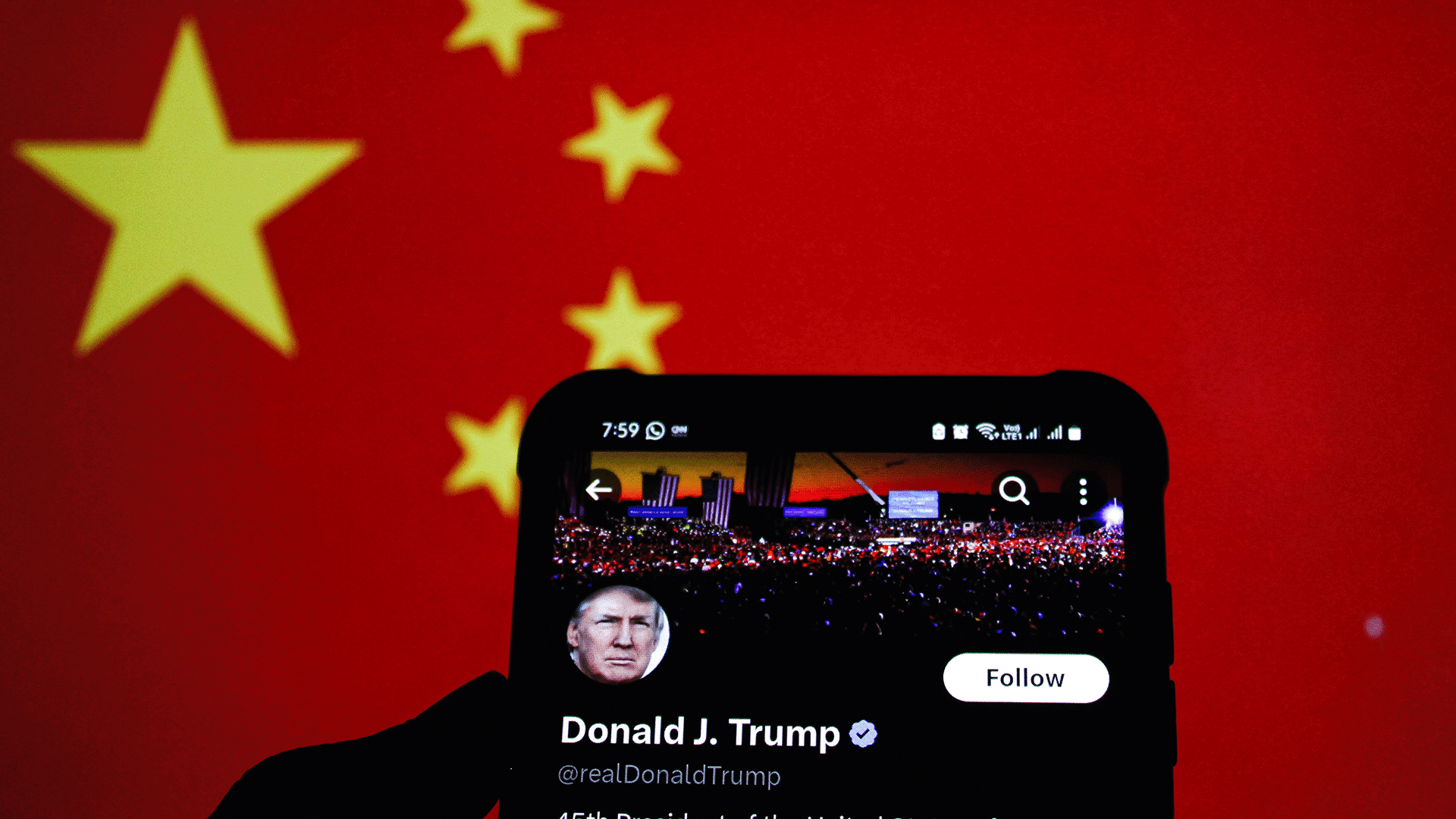
Central Asia has moved from the global periphery to the heart of a four-way geostrategy contest between the U.S., Russia, the EU, and China, according to an analysis by Hao Nan, a research fellow at the Charhar Institute.
Read also: Why Central Asia is absent from Trump’s new US security strategy.
While regional leaders are increasingly diversifying their diplomatic portfolios, Hao notes that structural realities continue to favor China and Russia as core partners.
Beijing has become the region’s dominant trading partner, with 2024 trade figures reaching $94.8 billion — nearly double Russia’s volume — while Moscow remains the indispensable security guarantor through the Collective Security Treaty Organization.
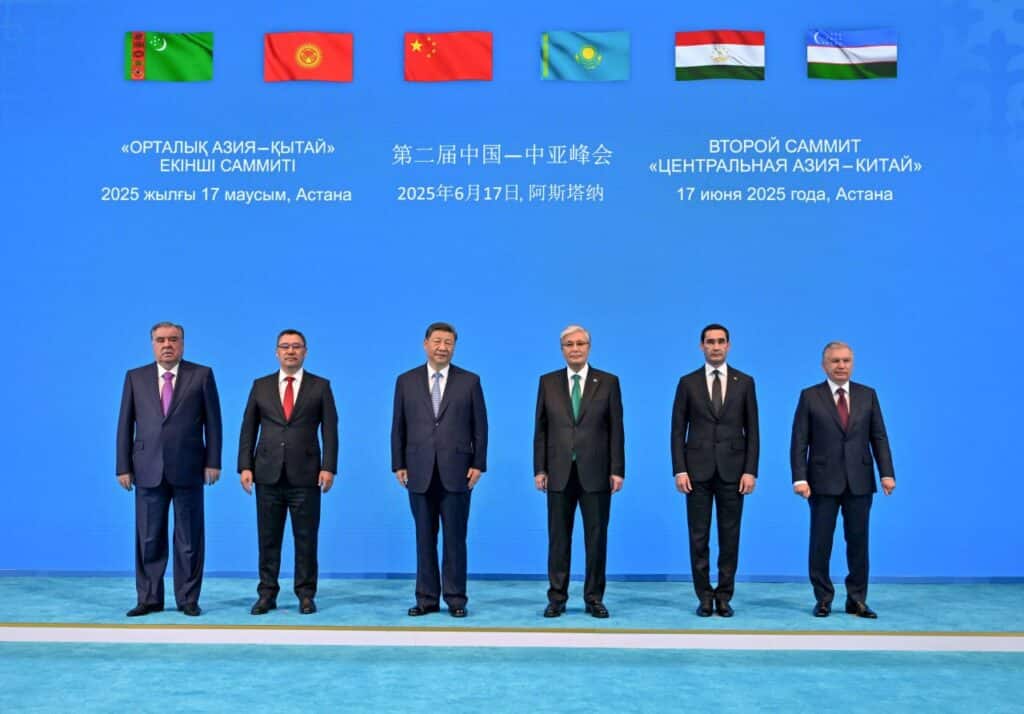
The Sino-Russian baseline
The report identifies a functional «division-of-labor» between the two Eastern powers. China spearheads infrastructure and digital connectivity through the Belt and Road Initiative, while Russia provides hard security, labor-market access, and control over legacy energy grids. For regional elites, these partners offer immediate resources — ranging from military support to rapid financing — that Western powers have yet to match.
Strategic challenges for the West
Currently, the U.S. and EU serve primarily as «insurance policies» rather than primary pillars. Hao highlights that U.S. engagement remains narrowly transactional, focusing on critical minerals and aviation, but lacks durable security commitments or long-term institutional building.
Read also: US moves to counter China on minerals with new Kazakhstan pact.
Similarly, while the EU is a major source of investment, its «Global Gateway» projects are often slowed by complex governance and environmental conditions.
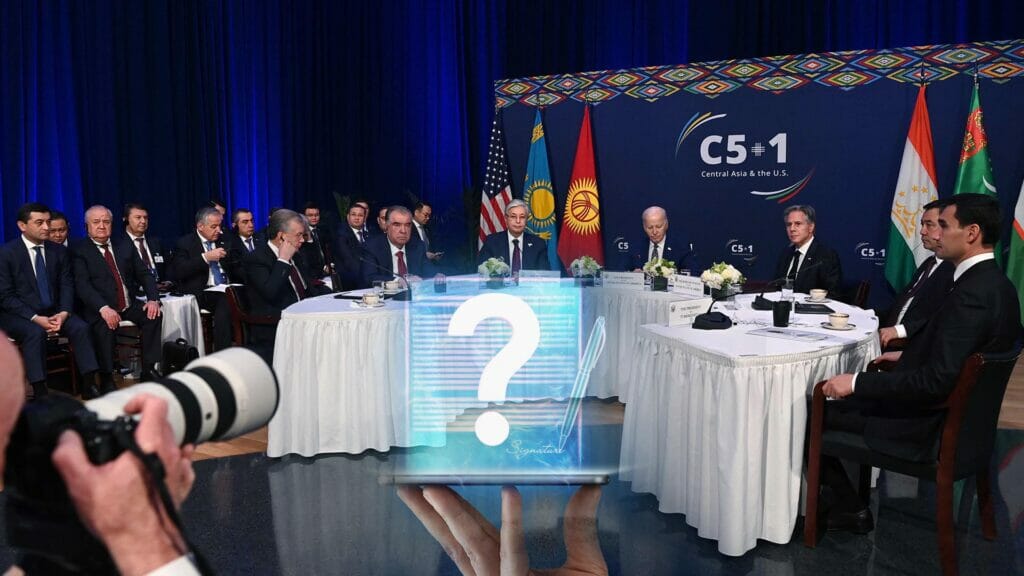
According to Hao, Central Asian states act as sophisticated «portfolio managers,» leveraging Western interest to raise the price of cooperation with Beijing and Moscow. However, the analysis warns that until Washington and Brussels offer more than one-off mineral deals and connectivity funds, the region will remain anchored in its current alignment with its Eastern neighbors.