Study warns New Orleans faces long-term risk from rising seas

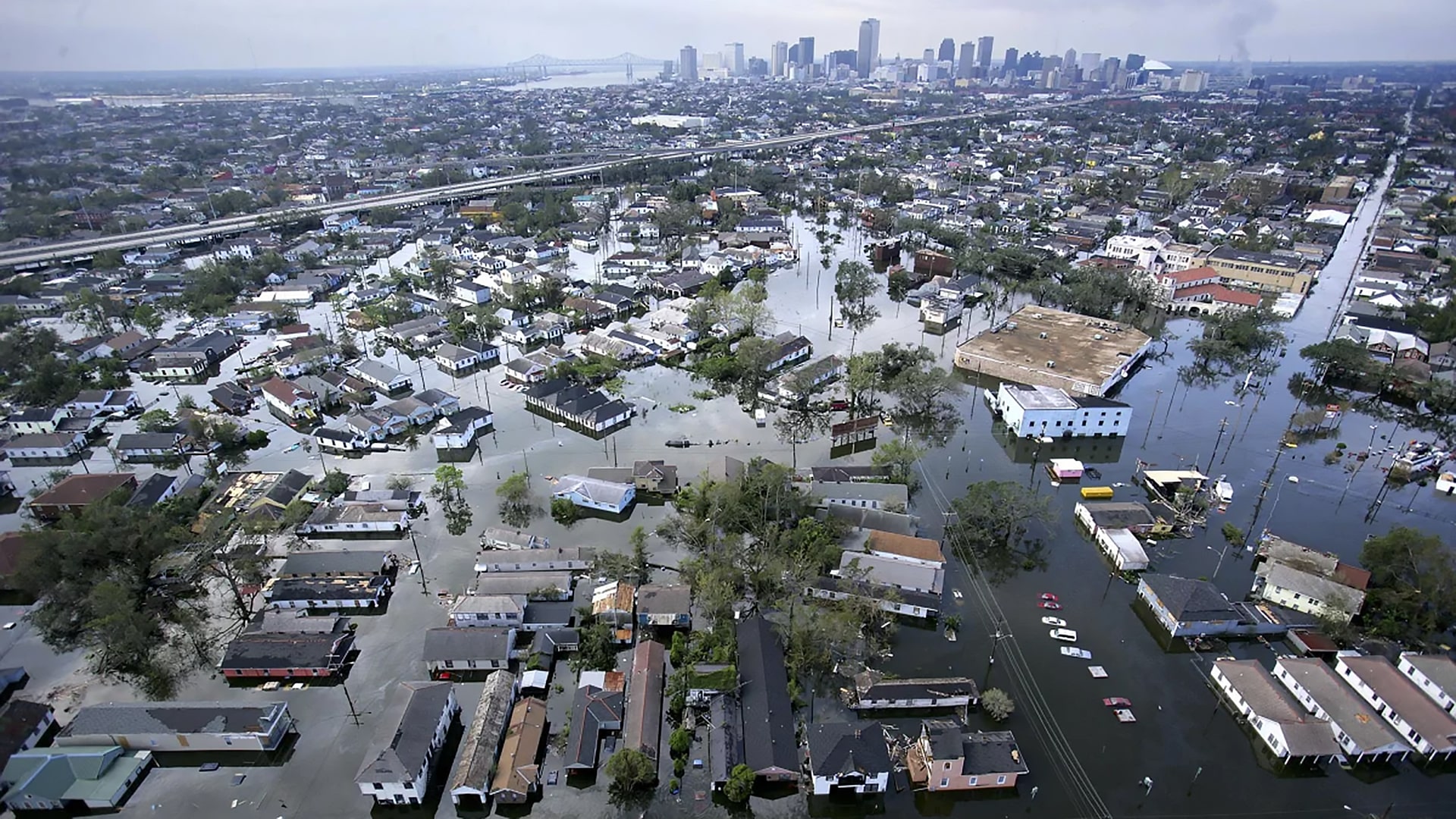
A new study suggests that relocation efforts in New Orleans may need to begin sooner rather than later, as the city faces growing threats from sea-level rise and coastal land loss, The Guardian reported, citing a study that says the region has reached a critical point where long-term protection may no longer be viable.
Southern Louisiana is already dealing with multiple pressures, including rising sea levels, stronger hurricanes and land subsidence. Together, these factors could significantly reshape the coastline in the coming decades. The study indicates that New Orleans could eventually be surrounded by water before the end of the century.
Scientists describe the area as one of the most physically vulnerable coastal regions in the world. They warn that without a coordinated plan, population loss could accelerate in a disorganized manner. The researchers recommend preparing for a gradual and structured relocation, starting with the most at-risk communities.
Following Hurricane Katrina in 2005, billions of dollars were invested in levees, floodgates and pumping systems. However, the study finds that these defenses may not be sufficient to protect the city in the long term as environmental pressures intensify.
Land loss remains a major concern, as Louisiana has been losing thousands of square miles of coastal land due to erosion. Meanwhile, efforts to rebuild wetlands and strengthen natural defenses have faced setbacks, including the cancellation of a large sediment diversion project intended to restore coastal areas.
Experts say that while climate mitigation remains important, planning for relocation may ultimately be necessary. Without action, they warn, residents may begin leaving on their own in an uncoordinated way.