

Breaking up with someone you love is difficult for almost everyone. Now, a new method of coping with heartbreak is gaining popularity in China — AI chatbots designed to imitate former partners.
According to the South China Morning Post, users are creating «virtual copies» of their exes using artificial intelligence. These AI-generated personalities mimic a person’s speaking style, favorite phrases and even small communication habits, allowing users to recreate parts of past relationships in digital form.
How «digital exes» are created
To build an AI version of a former partner, users upload chat histories, social media posts and photos into the system. The AI then creates a basic digital replica of the person.
Read also: China’s new dating culture uses ‘internal referrals’ to find love.
Users can further refine the chatbot by adding personal memories, travel experiences, habits, important dates and even past arguments to make the imitation feel more realistic.
The trend started with an open-source project
The phenomenon reportedly began with the open-source project Colleague.skill. Originally, the tool was designed to preserve workplace knowledge by analyzing conversations and documents from employees.
Over time, however, users began adapting the technology to imitate celebrities and eventually ordinary people. Although the project’s creator reportedly opposed that use, a feature known as Ex-partner.skill quickly gained popularity among young people in China.
Some users are paying for AI exes
Because the setup process can be technically complicated, some users reportedly paid between 25 and 45 yuan, or about $3 to $6, to create AI versions of former partners.
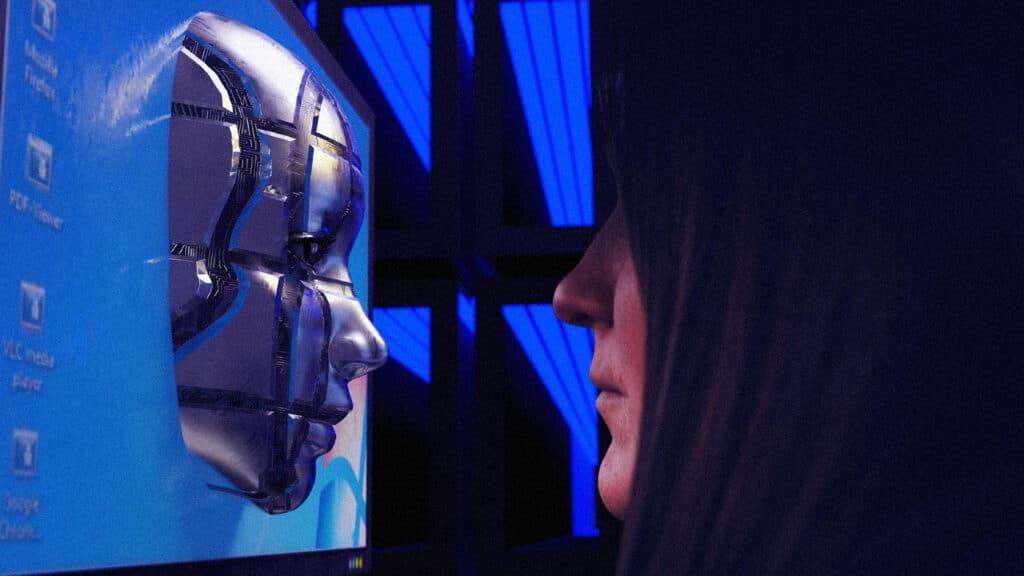
Supporters of the trend argue that the chatbots can help people process breakups and better understand past relationships. One user said conversations with a digital copy of an ex helped him realize the relationship — and the former partner — were not as ideal as he once believed.
Critics warn about emotional consequences
Critics of «digital exes,» however, say the trend could create a new form of emotional infidelity, especially for people who are already in new relationships.
Some argue that maintaining emotional attachment to a former partner — even a virtual one powered by AI — crosses a line and may be comparable to cheating.