Smuggled in a carcass: How a former FSB officer fled Russia for Kazakhstan

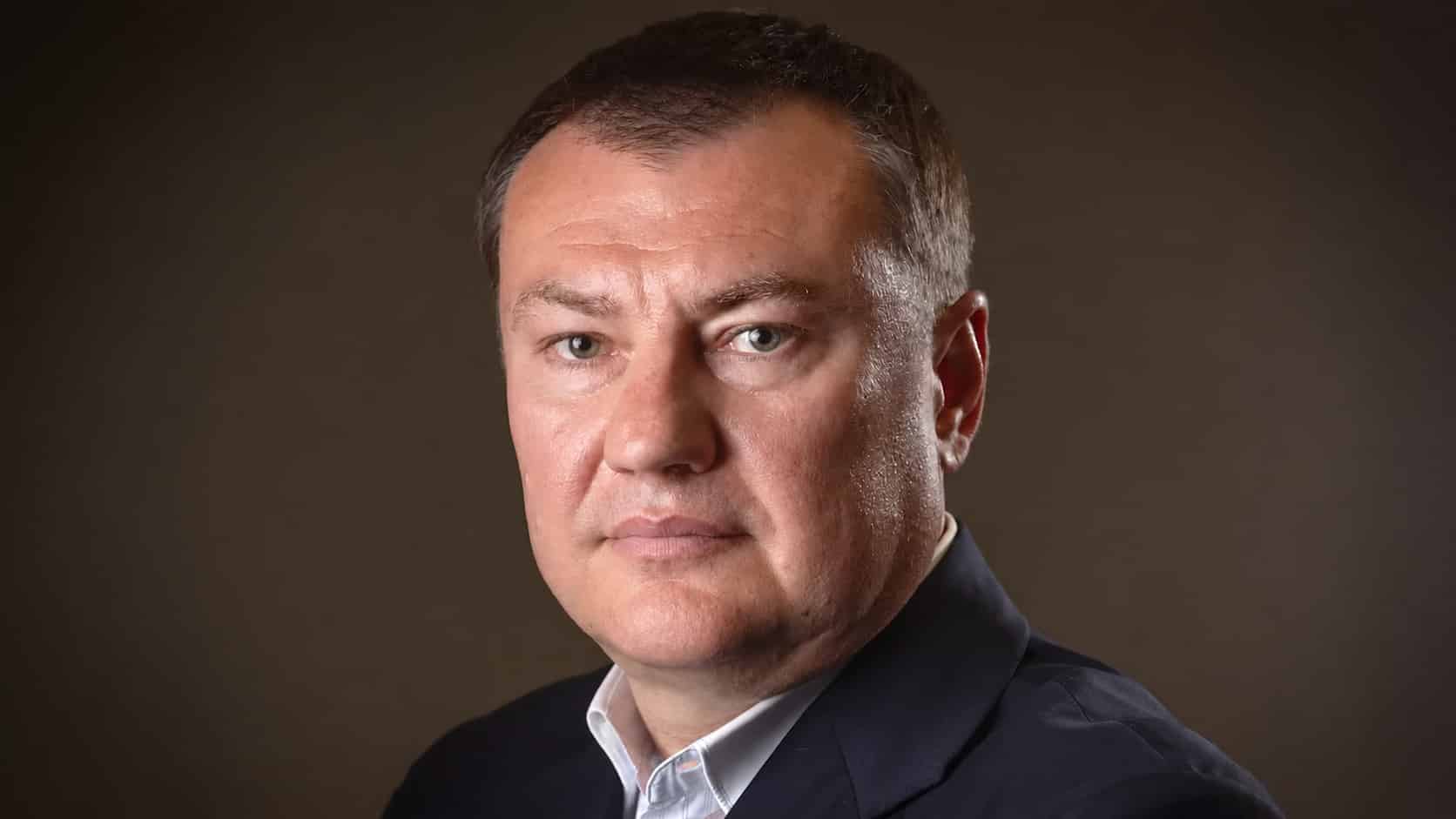
Former Russian security agent Dmitry Senin claims he spent eight years hiding from Russia’s intelligence services. During his second escape from Russia, Senin crossed the border into Kazakhstan while hiding inside the carcass of a dead cow, The Telegraph reported.
Read also: Inside Soviet recruitment: Kazakhstan’s former security chief claims Trump was a KGB asset.
Senin fell out of favor in 2016 after passing information to fellow Federal Security Service (FSB) officers about a suspicious luxury apartment in Moscow linked to high-ranking police official Dmitry Zakharchenko. Authorities later discovered $120 million in cash in the apartment. The Telegraph described it as one of the largest cash seizures in modern Russian history.
After analyzing Zakharchenko’s case, Senin concluded that the officer had merely been a custodian for funds tied to a large-scale corruption scheme. The former officer now believes the millions discovered in the apartment were intended for transfer to Russia’s top leadership at the end of each year.
Russian authorities later accused Senin of co-founding a corruption ring alongside the senior police official.
Life underground
Fearing arrest, Senin fled the country before eventually returning in an attempt to clear his name while living undercover. To avoid detection, he said he used a wheelchair, later switched to crutches, and feigned a limp.
Senin later concluded that resisting the system was futile.
Planning a second escape
Senin then began planning a second escape from Russia. However, he said Russia’s invasion of Ukraine in February 2022 complicated those plans. Border security was tightened, and the remote steppe border with Kazakhstan — the route he intended to use — was monitored with thermal-imaging cameras.
According to Senin, he eventually devised an unusual escape plan. He claimed Russia has strict regulations governing the disposal of dead livestock, including cows that die from disease. Because the process is costly and labor-intensive, some farmers in regions bordering Kazakhstan allegedly transport carcasses by tractor into the «no man’s land» between the two countries.
Senin said he decided to cross the border hidden inside one of the carcasses. He did not specify how he traveled from Moscow to the border area but said organizing the operation through a network of smugglers took two months.
Crossing the border inside a carcass
In September 2022, Senin said he put on a gas mask and a rubber suit to protect himself from the stench before climbing inside the cow carcass. He said he was also wrapped in foil to conceal his body heat from border surveillance cameras.
According to the former officer, the timing was carefully chosen: There was not yet snow on the ground, but temperatures were cold enough to prevent flies and maggots.
Senin said local smugglers loaded the carcass, with him inside, onto a tractor, transported it across the border and dumped it in a ravine used as an animal burial site. He said he remained inside the carcass for about an hour while waiting for border guards to lose interest in the area.
Senin then crawled out and crossed several hundred yards through a field before reaching a rendezvous point, where, he said, a former Soviet KGB officer was waiting on a motorcycle.
Arrest and asylum
From Kazakhstan, Senin flew to Montenegro and applied for political asylum. However, he was arrested on an Interpol notice issued at Russia’s request and spent five months in prison.
In February 2023, Montenegrin authorities declined to extradite him to Moscow, determining that the prosecution against him was politically motivated.
In 2024, Senin again left his family and relocated to another European country. The Telegraph did not disclose the country’s name for security reasons.