
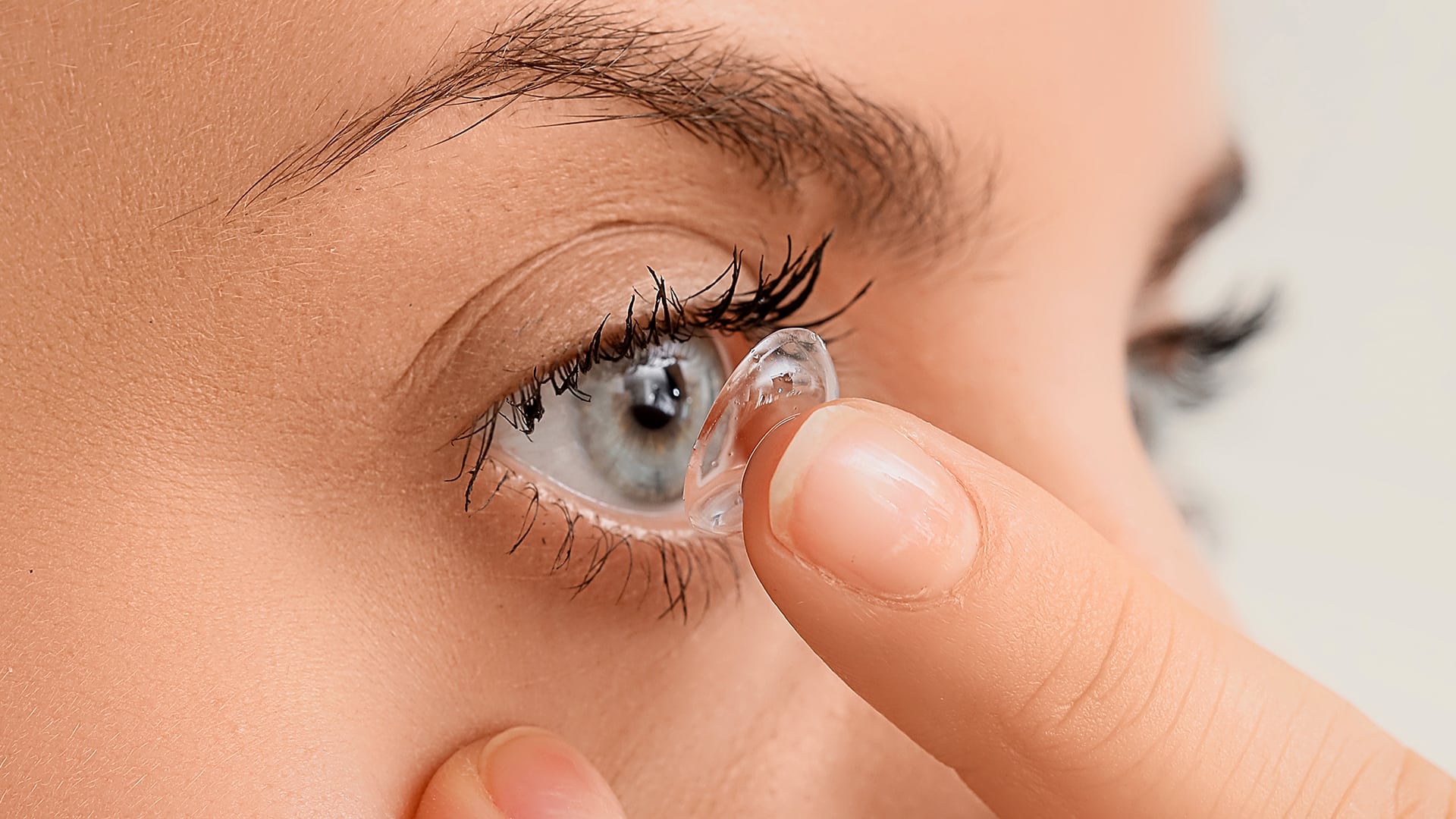
South Korean scientists have developed «smart» contact lenses capable of stimulating mood-related brain regions through the retina and potentially treating depression. So far, the technology has only been tested in animals.
How the technology works
The concept is based on the eye’s direct connection to the brain through the retina, which researchers describe as a promising pathway for noninvasive brain stimulation.
Read also: New study finds ‘significant link’ between poor nutrition and depression.
In the study, researchers divided mice into four groups: healthy mice, untreated mice with simulated depressive symptoms, depressed mice treated with the smart lenses, and a separate group treated with the antidepressant fluoxetine, commonly known by the brand name Prozac.
The mice with depressive symptoms were fitted with contact lenses embedded with tiny electrodes. The electrodes delivered gentle stimulation through the eye to brain regions associated with emotional regulation.
Results of the experiment
The stimulation sessions lasted 30 minutes a day over a three-week period.
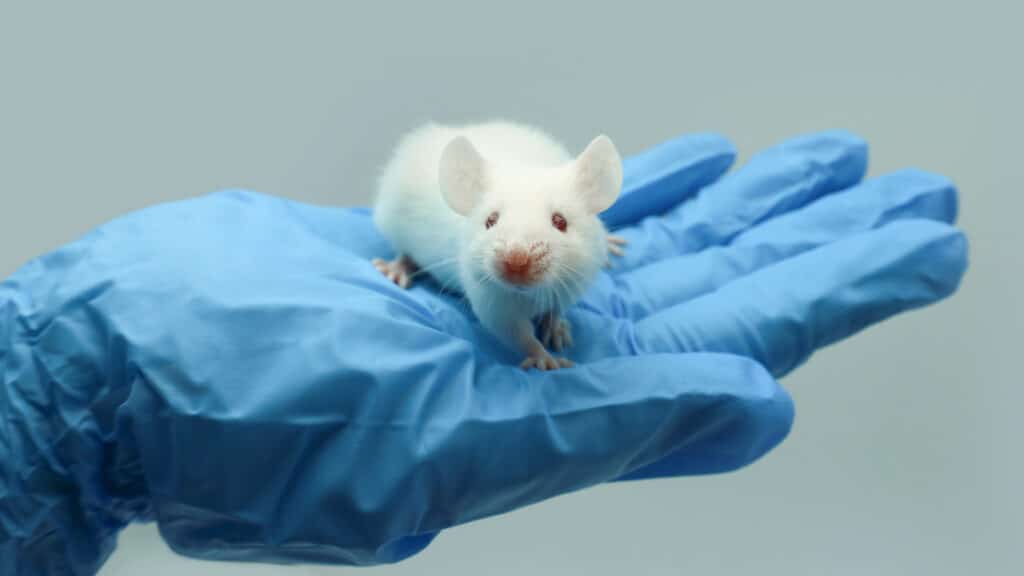
After three weeks, the treated mice showed reduced behavioral signs of depression, improved neural activity and partial normalization of biochemical markers. Researchers said the effect was comparable to that of fluoxetine administered to the control group.
The improvements were observed at behavioral, neurophysiological and biochemical levels, which researchers said makes the findings particularly significant.
Human trials still ahead
Despite the promising results, the technology remains in the early stages of development and has not yet been tested in humans. Researchers caution that it is too early to discuss potential clinical applications.