
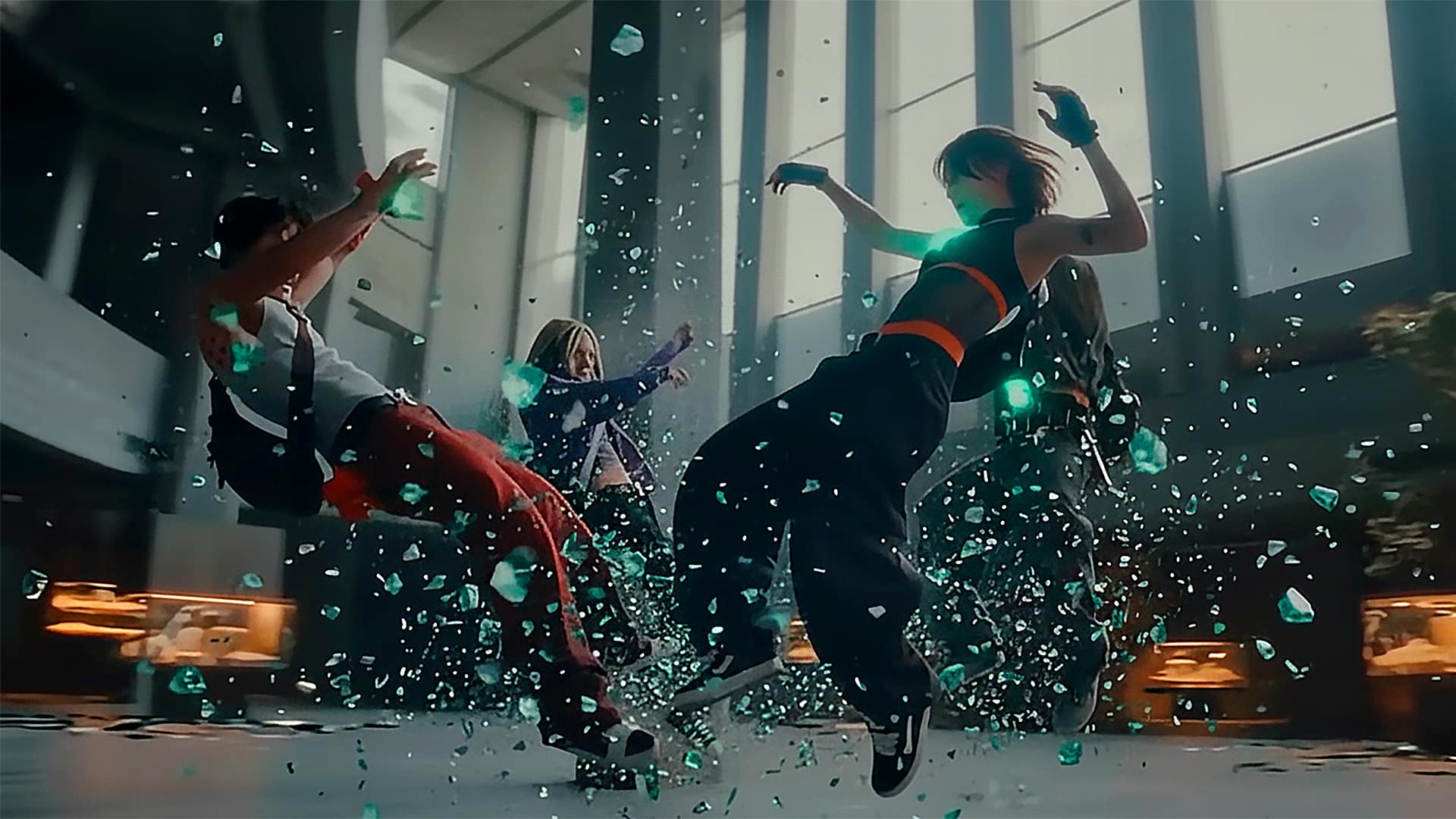
A historic event for the global film industry is taking place today at the Cannes Film Festival — a private screening of «Hell Grind,» the first full-length 95-minute AI-generated feature film created entirely on the Higgsfield platform. Kursiv LifeStyle explains how this unique film was made and why its budget was dozens of times smaller than Hollywood standards.
Higgsfield AI was co-founded by Kazakh national Yerzat Dulat, while the project was directed and co-written by well-known Kazakh filmmaker Aitore Zholdaskali, known for the Kazakh horror film «Auru.»
The film was created in less than three weeks. According to the team, the first 25 minutes alone required 16,181 generations across 253 scenes. The total budget was under $500,000, with around $400,000 spent on computing power.
Post-production and sound cost around $100,000. The creators claim that traditional production of a film of the same scale would have cost tens of millions of dollars.
To achieve perfectly stable visuals without facial artifacts, the creators wrote highly detailed prompts of up to 3,000 words for every 15 seconds of footage.
Dulat said that generative models produce a vast amount of content, after which the team manually selected the best scenes and refined the sound, editing and visual effects. Around 10 people worked on the project.
Social media reactions to the AI film were mixed. AI specialists and industry enthusiasts praised the image quality and character stability on screen, describing it as a major step forward for independent creators.
Some commentators criticize the film for its derivative plot and lack of live actors. They question whether generative content can hold viewers’ attention for a full hour and a half on the big screen.