Global EV sales share nears 30% in 2026 amid energy transition

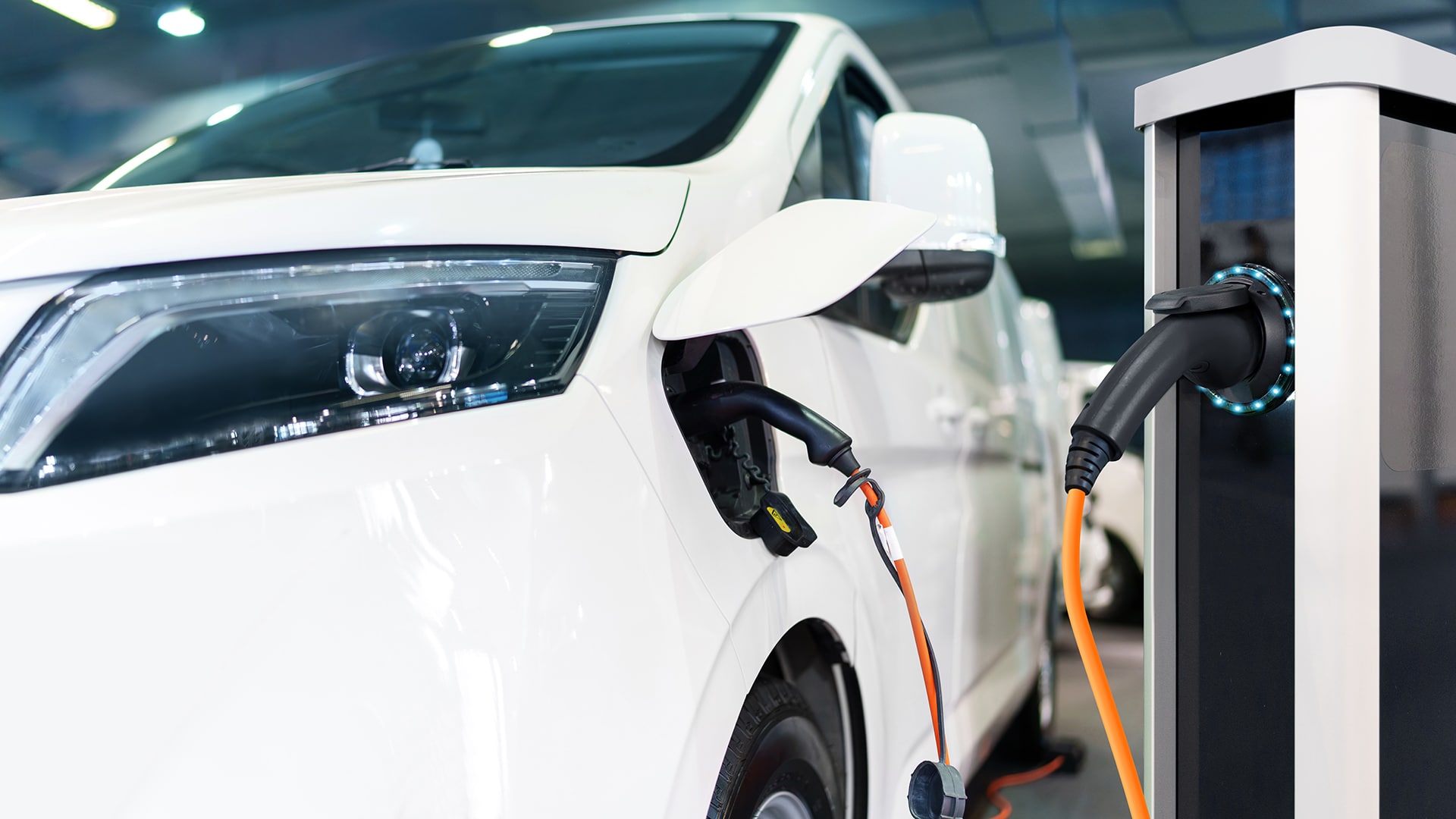
Global electric car sales are anticipated to reach 23 million vehicles in 2026, accounting for almost 30% of total sales, according to the latest Global EV Outlook report from the International Energy Agency (IEA).
In 2025, electric vehicle sales rose by 20% and exceeded 20 million units for the first time. As a result, one in every four new cars sold worldwide was electric. In more than 40 countries, electric vehicles accounted for over 10% of new car sales.
China maintains its lead in the EV market
China held its position as the largest EV manufacturer, with local automakers accounting for around 60% of global sales, while exports exceeded 2.5 million vehicles. European and North American manufacturers each accounted for 15%. China also remained a key manufacturing hub for batteries and EV components.
In the first quarter of 2026, the global EV market declined by 8% amid changes in government policies in China and the U.S. However, the decline was offset by growth in other regions:
- Sales in Europe increased by almost 30%.
- In the Asia-Pacific region, excluding China, sales rose by 80%.
- In Latin America, sales increased by 75%.
Analysts note that electric vehicles are becoming more affordable, while fuel price volatility is driving demand. The agency expects the global EV fleet to reach up to 510 million vehicles, up from around 80 million currently, even without additional policy support measures.
IEA Executive Director Fatih Birol said that the growing popularity of electric vehicles is already having a significant impact on the global energy sector.
Trucks and developing markets show the strongest growth
The report also highlights growth in the electric truck segment. In 2025, sales more than doubled, with China accounting for the largest share of demand. Nearly one in every 10 trucks sold worldwide is equipped with an electric drivetrain.
Southeast Asia has emerged as one of the fastest-growing EV markets. Electric vehicle sales in the region more than doubled, with their market share approaching 20%. By 2035, the figure could reach 60% if government support remains in place and battery prices continue to decline.