Why phone bans help high schoolers but backfire in middle school


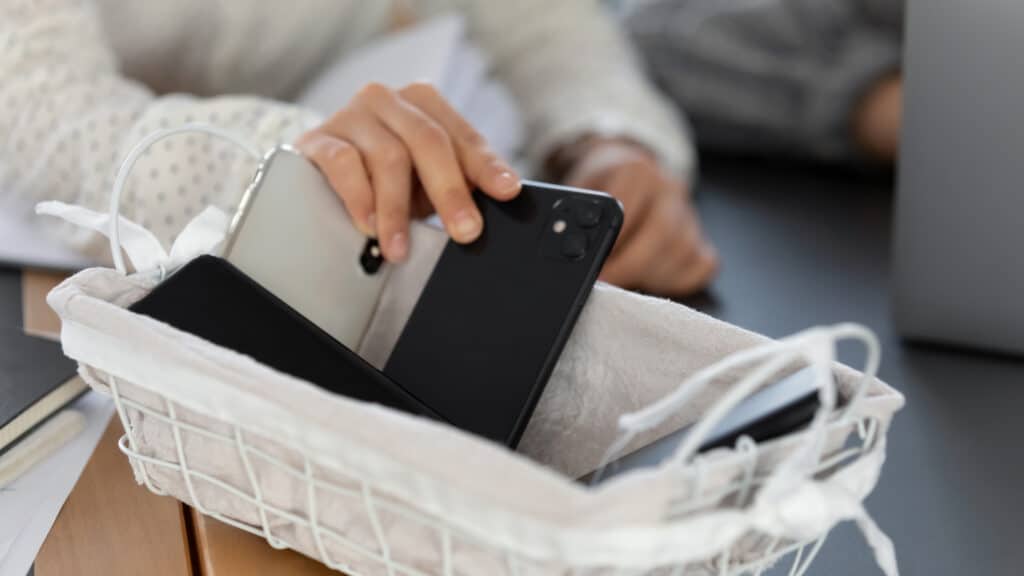
The magnetic click of a lockable pouch is becoming the new sound of the American school morning, promising a refuge from digital distraction but delivering a complicated reality of initial rebellion followed by long-term adjustment, according to a new study published by the National Bureau of Economic Research (NBER).
Read also: South Korea to ban smartphones in classrooms.
The research highlights a dramatic shift in the classroom environment following the adoption of magnetically sealed pouches, which require students to secure their devices upon arrival and only unlock them at dismissal. While critics often suggest students easily circumvent such rules, independent GPS data revealed a 30% decline in on-campus phone activity. Even more striking were teacher reports, which showed that the share of students using phones for personal reasons during class plummeted from 61% to just 13% after the pouches were introduced.
However, the path to a phone-free day often begins with «short-term disruption.» In the first year of adoption, schools saw a 16% increase in suspension rates as staff enforced new rules and students adjusted to the sudden loss of connectivity. Subjective well-being among students also took an initial dive, though the study found a «rebound» effect; by the second year, student well-being scores actually surpassed pre-ban levels as adolescents adapted to the new social landscape.
Academically, the results were more nuanced than many proponents might expect. The overall impact on standardized test scores was close to zero, ruling out the massive gains often touted by advocates. A clear divide emerged between grade levels: high schools saw modest positive gains, particularly in math scores, while middle schools experienced slight negative effects. Researchers suggested this may be due to younger students lacking the impulse control to handle the shift, potentially substituting phone use with other disruptive peer interactions.
Surprisingly, the study found no measurable improvement in school attendance, classroom attention, or perceived online bullying. While parents generally support the bans — believing they will boost mental health and grades — students remain largely opposed to the restrictions. Ultimately, the findings suggest that while lockable pouches are highly effective at physically removing phones from the instructional day, they are not a silver bullet for all of education’s modern challenges.