
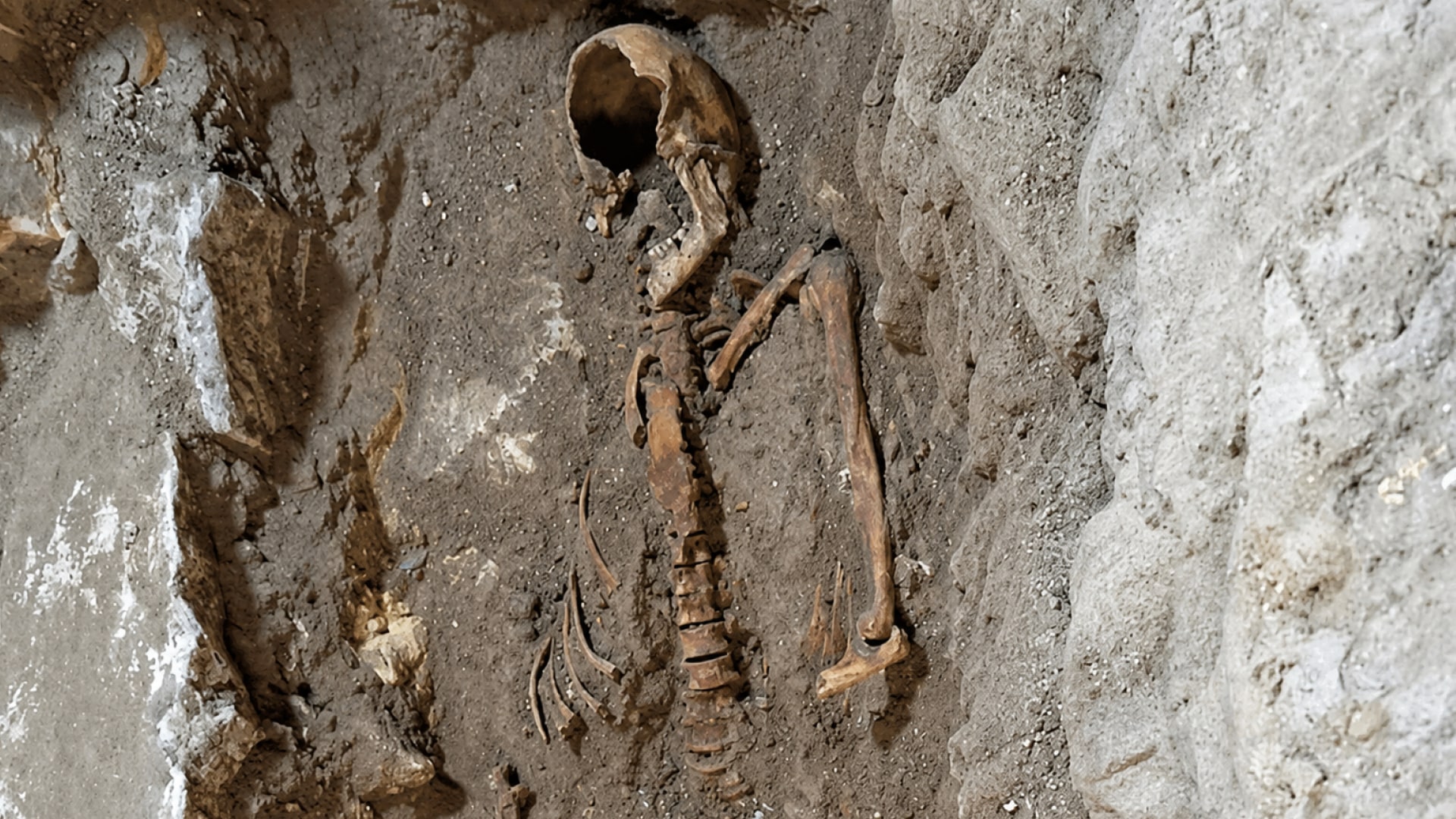
A controversy has erupted in the Netherlands over human remains that may belong to the legendary French musketeer d’Artagnan, the historical figure who inspired a central character in Alexandre Dumas’ novel «The Three Musketeers.»
The bones were discovered during renovation work at a church in Maastricht. Shortly after the find, however, a dispute broke out between local authorities and archaeologist Wim Dijkman, who participated in the research.
Authorities question excavation procedures
Officials in Maastricht said the excavation was carried out without the required permits and is therefore considered unauthorized. The municipality also alleges that professional archaeological standards were not followed, potentially resulting in the loss of important information related to the discovery.
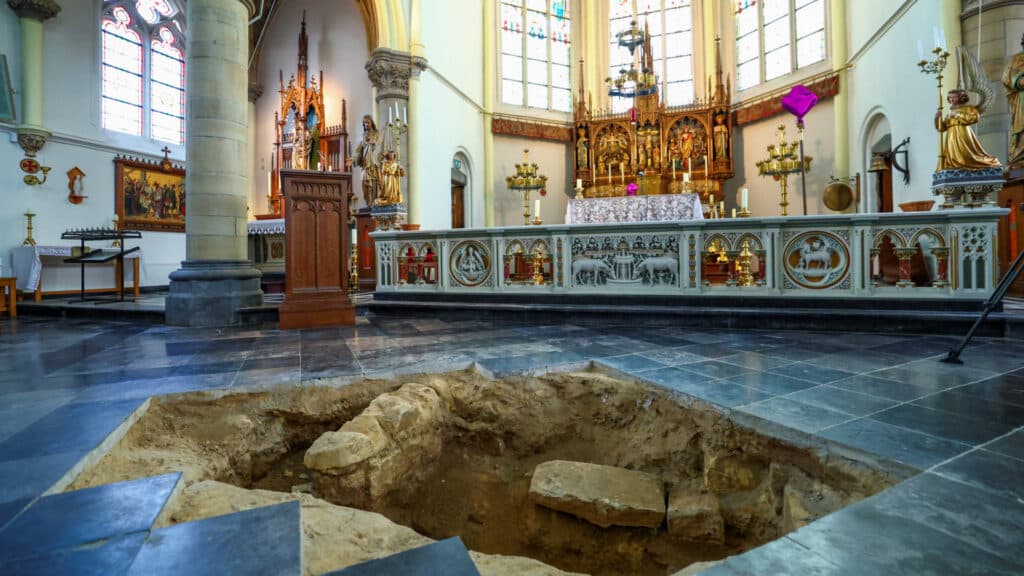
The situation escalated after Dijkman reportedly refused to hand over the remains to municipal authorities and the Dutch heritage inspectorate. According to local media reports, the archaeologist hid several teeth believed to be part of the remains in an undisclosed location, citing a lack of trust in the authorities. He was later briefly detained.
City officials have since taken control of the investigation. Additional excavations have been conducted at the site to collect as much evidence as possible and determine whether the remains could indeed belong to the famed musketeer.
Who was d’Artagnan?
D’Artagnan, whose real name was Charles de Batz de Castelmore d’Artagnan, was a trusted confidant of King Louis XIV and commander of the Musketeers, an elite military unit that served as the king’s personal guard.
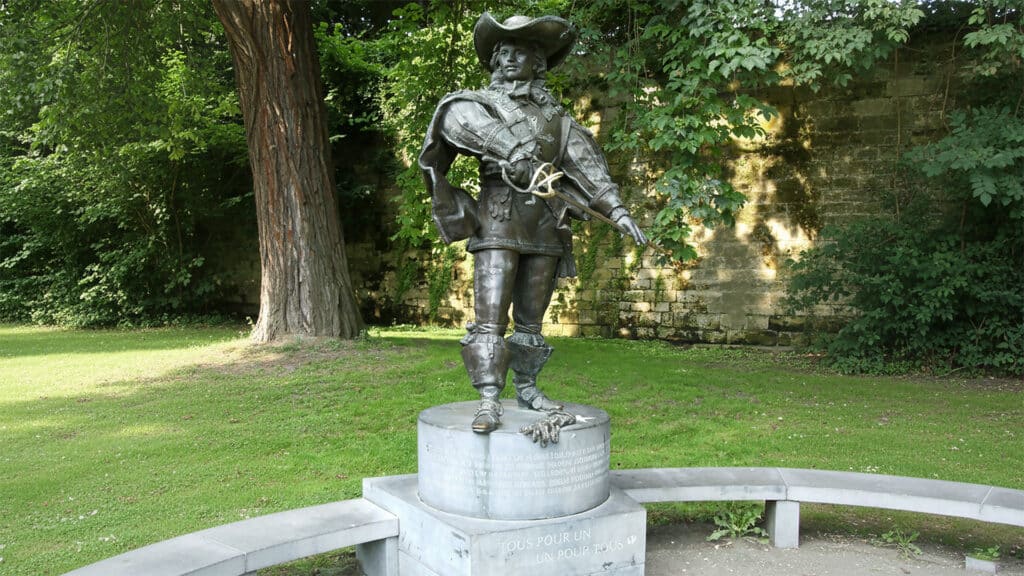
He was killed in 1673 during the Siege of Maastricht in the Franco-Dutch War. Historians believe that because fighting was ongoing at the time of his death, his body was not returned to France and was instead buried near the battlefield.