Why Kazakhstan’s first NPP could end up more expensive than Uzbekistan’s

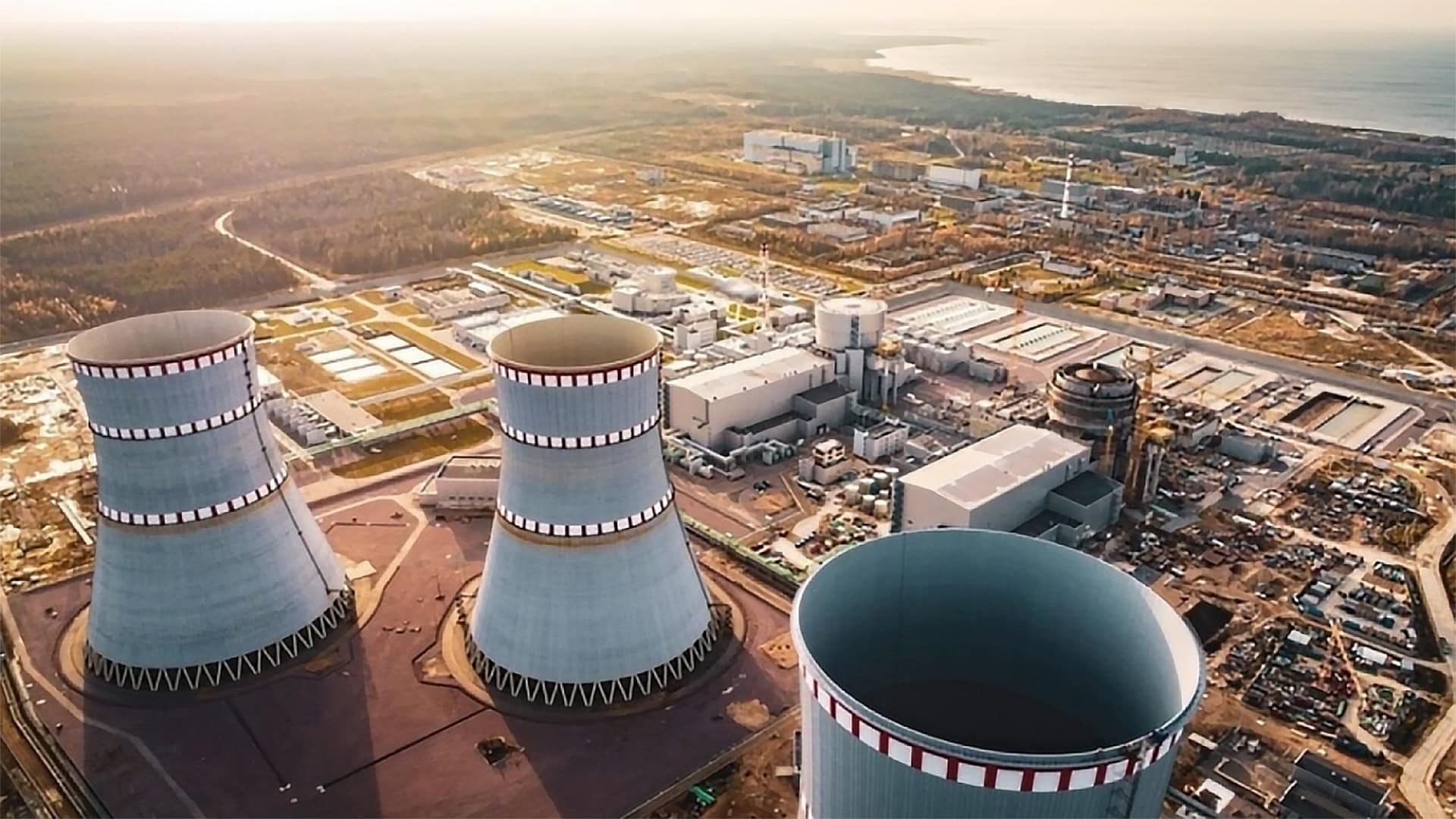
Kazakhstan has selected Russia’s advanced VVER-1200 design for its first nuclear power plant (NPP). Yernat Berdigulov, CEO of Kazakhstan Nuclear Power Plants LLP, noted that the cost of an NPP depends on a wide range of factors, making direct comparisons between projects in different countries inappropriate.
Berdigulov noted that the cost of an NPP is shaped by a variety of factors and that projects in different countries have unique characteristics. The price may depend on the reactor technology, power unit configuration, legislative and regulatory requirements, as well as engineering, geological and climatic conditions.
«In addition, the cost of some projects may include the construction of surrounding utility infrastructure, the training and development of local personnel, physical protection measures and the procurement of nuclear fuel for the initial period of operation, as planned in Kazakhstan. Design choices also reflect each country’s specific objectives and the characteristics of its power grid,» Berdigulov said.
Kazakhstan has selected two 1,200-megawatt power units to meet growing electricity demand in the country’s south. The reactors will be built using Rosatom‘s advanced VVER-1200 design, which is currently being deployed at nuclear power projects in Egypt, Hungary, China, Turkey and Belarus. The VVER-1200 is also the preferred reactor design for new nuclear projects in Russia.
For comparison, Uzbekistan’s NPP project will use two VVER-1000 reactors, an earlier-generation design. The projected cost of Kazakhstan’s first NPP is often compared with that of the facility planned in the neighboring country.
Berdigulov noted that, when adjusted for actual inflation, the cost of Kazakhstan’s NPP project is comparable to that of VVER-1200 projects abroad.
Kazakhstan’s first NPP could reach $16.4 billion, including about $2 billion for social infrastructure and safety measures.