
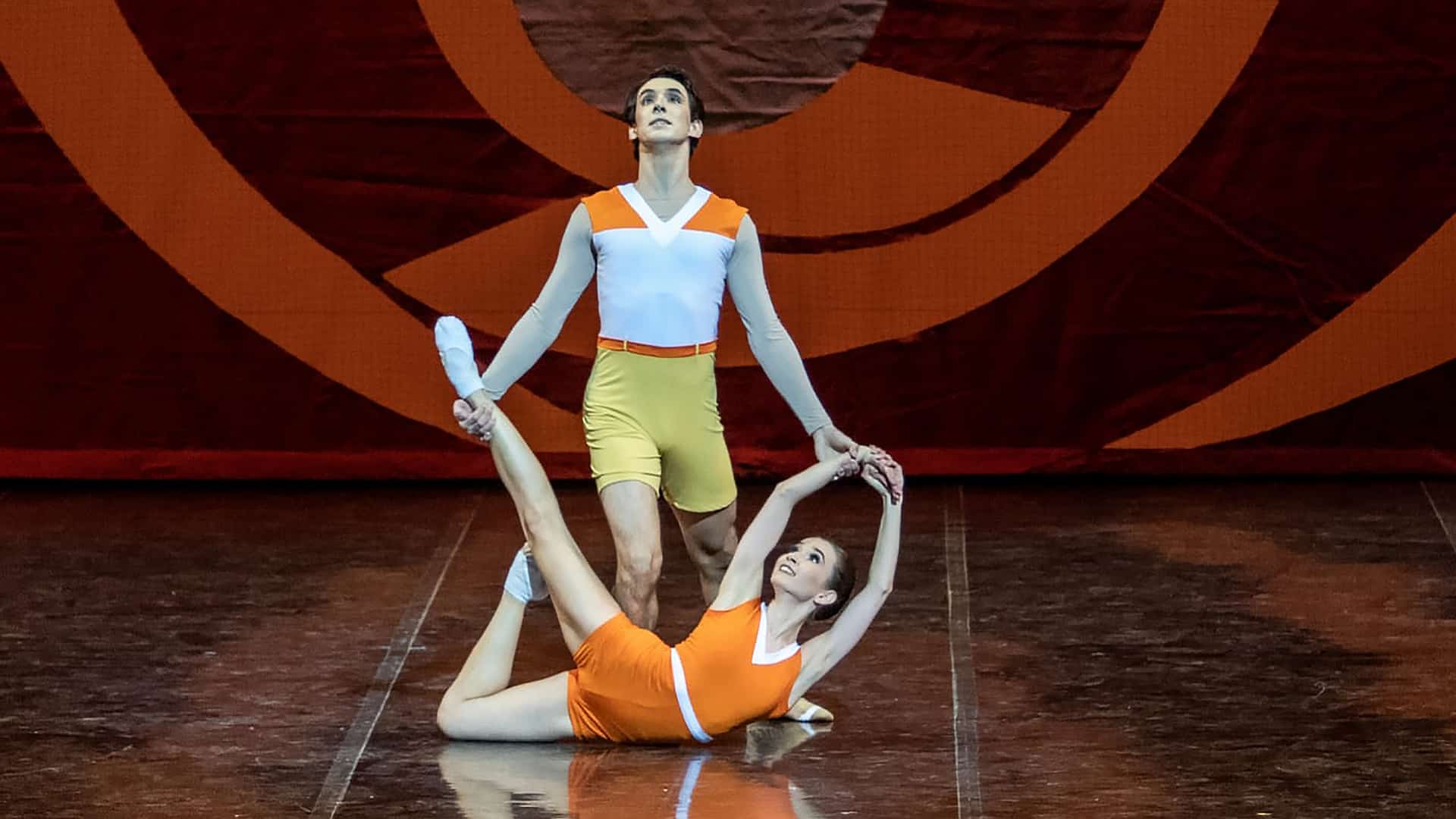
There are several adult ballet studios in Almaty, Kazakhstan. Around the world, practicing ballet not as a professional pursuit but as a form of fitness two or three times a week has become increasingly popular. Kursiv LifeStyle visited one of Almaty’s studios to learn how classes are structured and what they offer participants who are unlikely to ever perform on a major theater stage.
From professional stage to adult instruction
Aidar Ishmukhametov studied at the Vaganova Ballet Academy, one of the most prestigious ballet schools in the world. He worked in theaters and toured internationally with dance companies. In 2022, he began teaching adults in Almaty.
According to the choreographer, ballet can function as a form of fitness when practiced consistently, about twice a week. A secondary benefit, he said, is exposure to the arts and participation in a supportive community. However, he noted that performing on stage in an opera or ballet theater is not realistic without starting training in childhood; most professional dancers begin around age 9 or 10.
«To see results, you need to practice at least twice a week. Then changes become visible after about six weeks. Some people say their backs feel stronger; others say they build endurance for hiking in the mountains,» Ishmukhametov said. «I read a study suggesting ballet can be beneficial for people with ADHD because it requires managing multiple tasks simultaneously. For example, when bending, you have to pay attention to the position of your head, legs, and arms.»
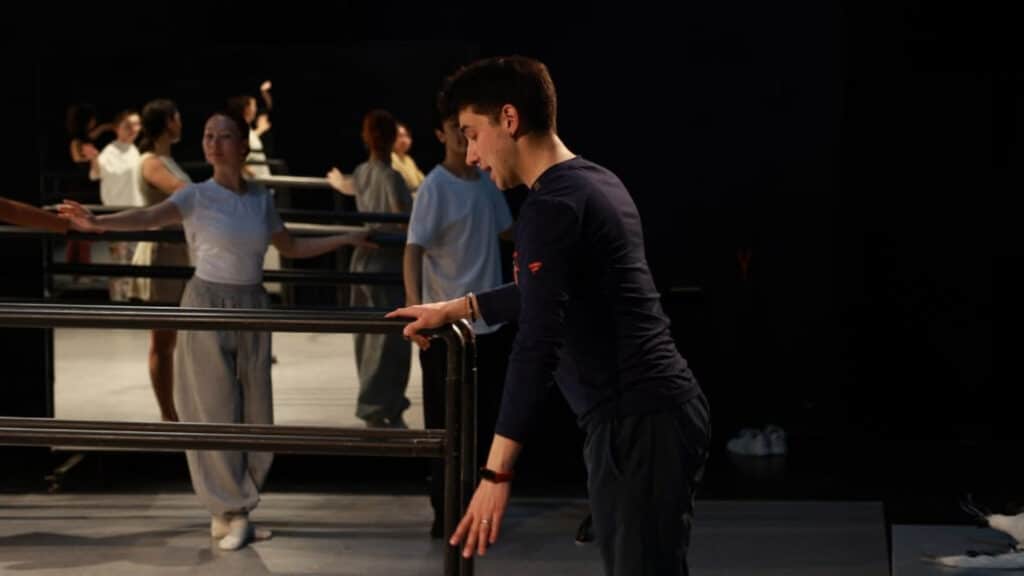
Fitness, culture and community benefits
The vast majority of students in his classes are women. Many are trying ballet for the first time as a new form of physical activity. Participants include students, an IT professional, a florist, a manager and an executive. There are exceptions: one male student practices martial arts and began ballet to improve his flexibility. Age is not a limiting factor; Ishmukhametov’s oldest client was 64.
Students find strength and recovery through ballet
Two of Ishmukhametov’s students shared their experiences with Kursiv LifeStyle.
Anastasia Tarasova, managing director of the ArtiShok Theater, had previously learned ballet elements as a dramatic actress. As a child, she dreamed of becoming a ballet dancer but ultimately chose a different career path.
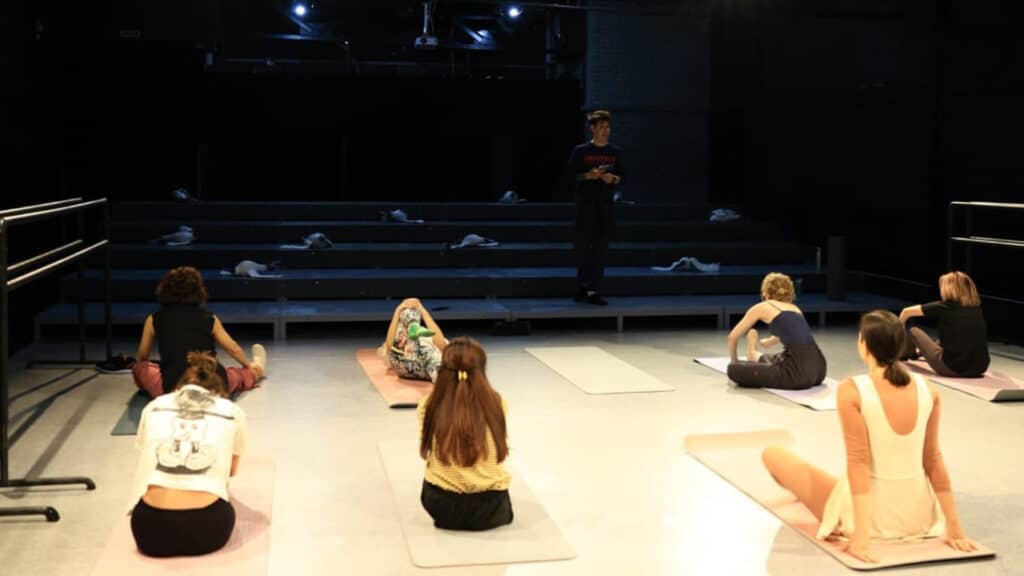
«We don’t do ballet in the traditional sense: we don’t learn full routines, and we don’t have performances,» Tarassova said. «I like that we combine physical exercises to strengthen the back, neck, lower back and feet with cultural education. Aidar constantly plays music from different ballets and talks about their history.»
She described the classes as «fun ballet with a lot of love and soul.» While she once considered a dance career, she said this experience is not about fulfilling a childhood dream.
Elina Nurkhaidarova lost the use of her legs due to severe poisoning and spent time using a wheelchair. She had danced since childhood — first in classical ballet, then in modern dance — so losing mobility was especially difficult. She developed depression during this period. Later, while celebrating New Year’s with friends, she learned that a friend was taking ballet classes and was inspired to try them.
She initially attended classes simply to observe. At first, she used a walker, and even climbing stairs was a major challenge.
«Because of bipolar disorder, I periodically experience depression and stop all activity. Ballet helps me through these episodes. It was a miracle for me to find adult classes that suited me perfectly,» Nurkhaidarova said. «Ballet literally got me back on my feet.»
In her first class, she could not get up from the floor and completed only one exercise. Six months later, she was standing confidently, using weights during exercises, walking without assistance and even running.