
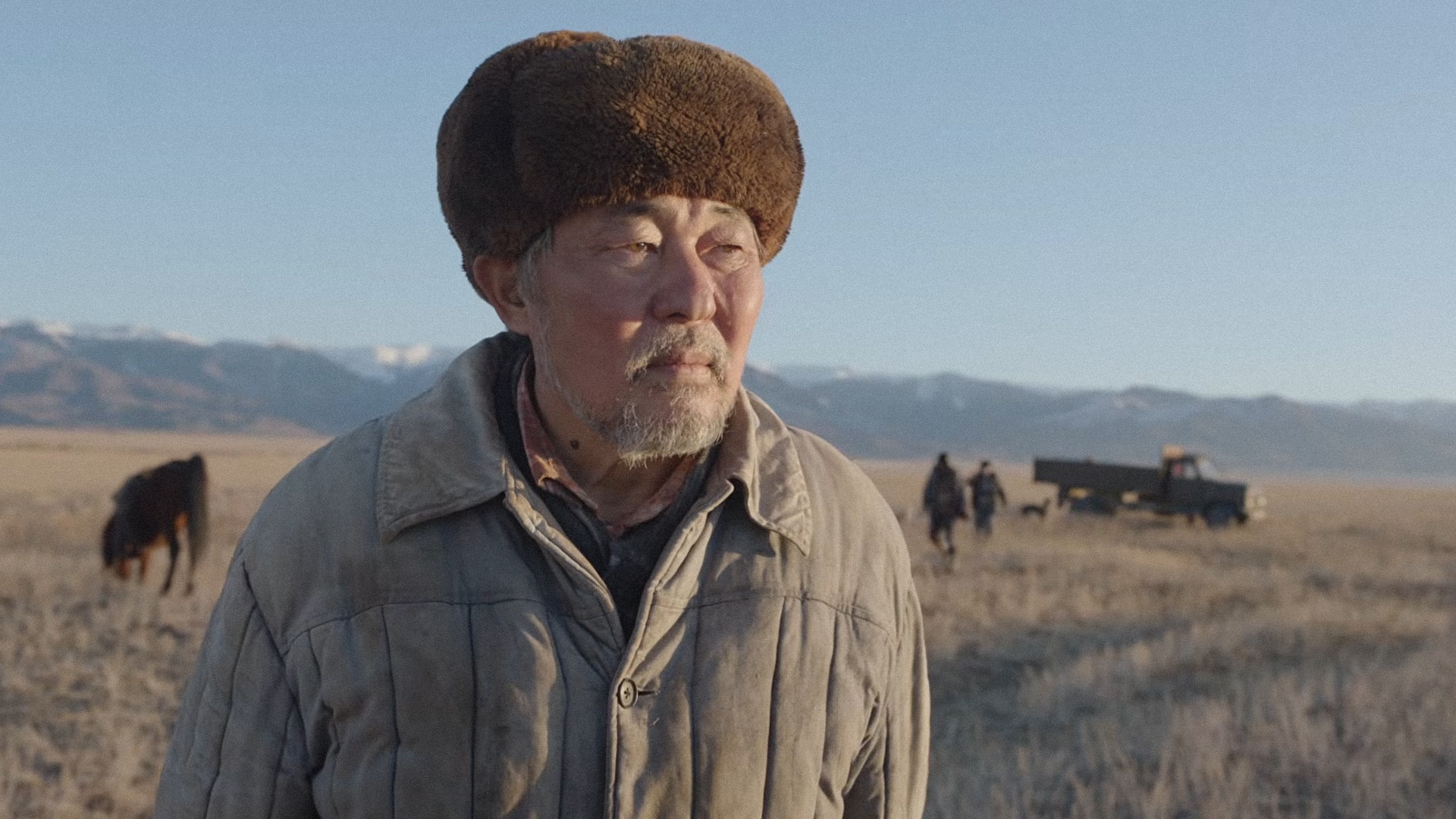
After nearly two years on the international film festival circuit, where it won several awards, Yelzat Yeskendir’s «Abel» has finally premiered in Kazakhstan — and gone straight into theatrical release.
Whether the film will find a broad audience remains an open question. «Abel» is a demanding work, particularly because its story is set in the early 1990s. Yet the issues it explores remain strikingly relevant today.
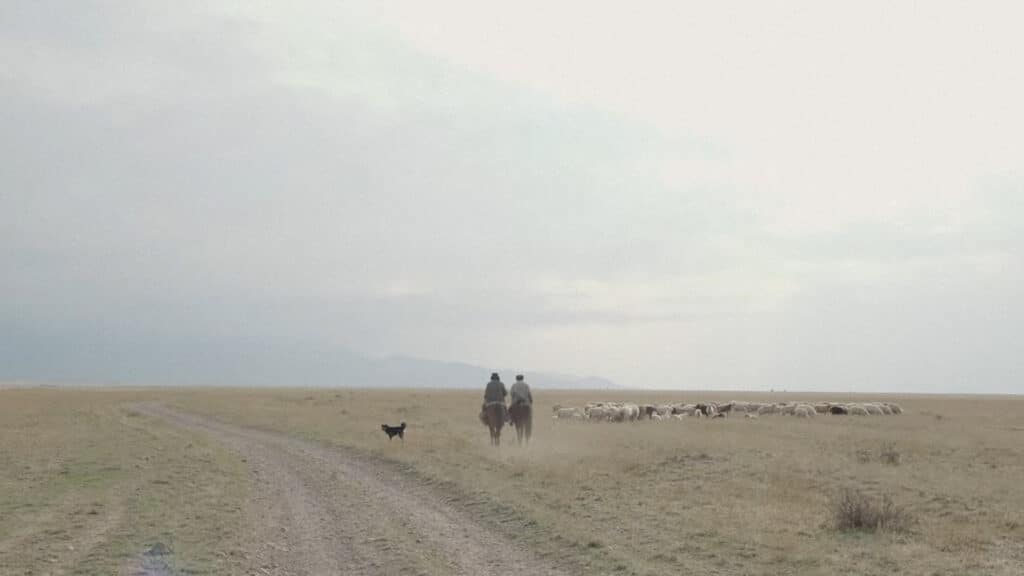
The film had its world premiere in the fall of 2024 at the prestigious Busan International Film Festival in South Korea, one of Asia’s leading film festivals.
A slow-burning but rewarding drama
«Abel» is unmistakably an arthouse festival film. It unfolds at a deliberate pace, relying on long takes and quiet storytelling that gradually draw viewers into its world. Yet beneath its measured rhythm lies a story about social and moral questions that remain as pressing today as they were 33 years ago.
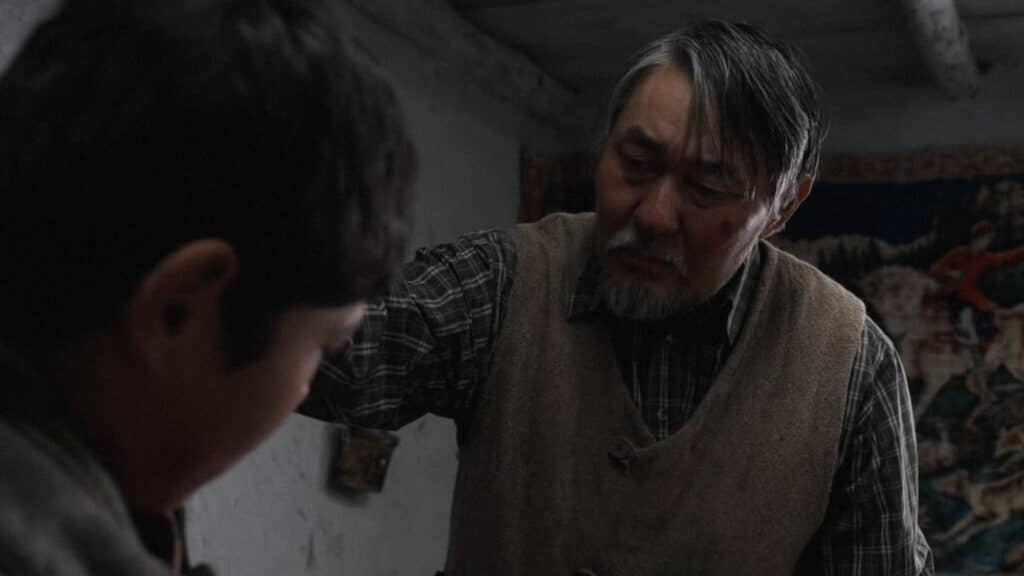
What makes the achievement even more impressive is that this assured, balanced and skillfully crafted film marks Yeskendir’s feature directorial debut.
A portrait of Kazakhstan in transition
The story unfolds in 1993, during the turbulent years of denationalization, privatization and the emergence of private property, when some people became wealthy almost overnight while others lost everything.
Abel, a shepherd who has spent decades working on a collective farm, finds himself caught up in the division of the farm’s remaining assets. Former managers and the most opportunistic villagers scramble to seize livestock and equipment, following the principle that whoever grabs the most wins. Those with power — and few moral scruples — come out on top.
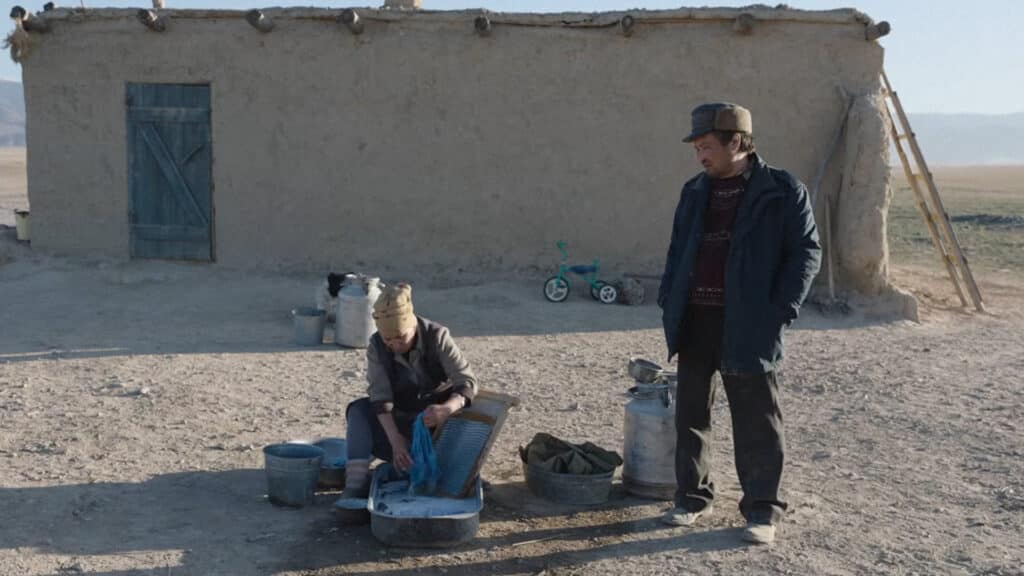
Abel, however, still believes justice is possible, even as the world around him proves otherwise.
Strong performances anchor the film
«Abel» captures a moment in history almost as if it were preserved in amber. Its central figure is not simply dramatic but deeply tragic. Alongside the economic upheaval surrounding him, Abel struggles with personal and family hardships.
His eldest son, facing legal troubles in the city, asks his father for a ram to use as collateral for a loan that he has little chance of repaying. Unable to compromise his principles, Abel refuses.
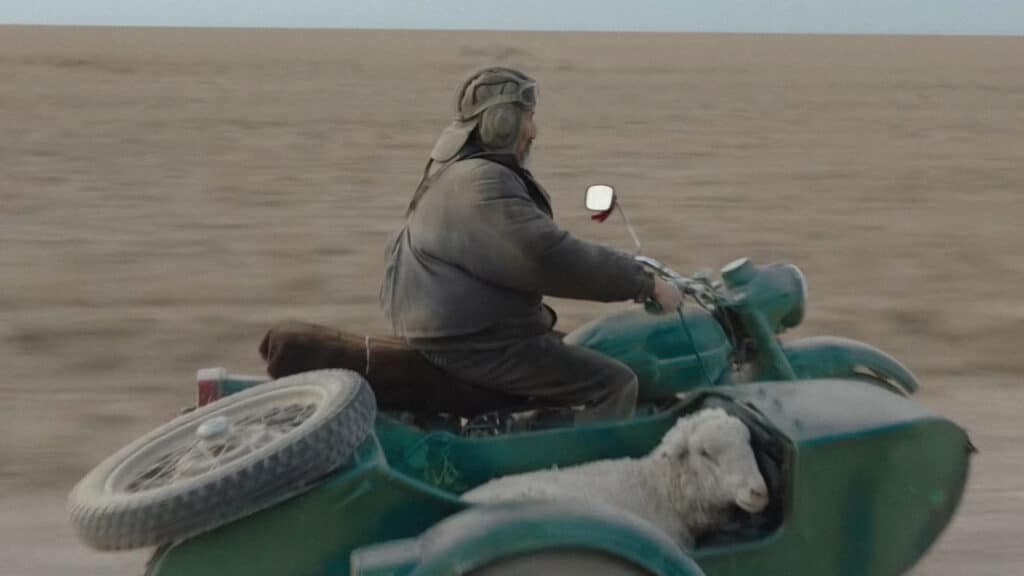
Yerlan Toleutay, best known as a singer, composer and documentary filmmaker, delivers a remarkably nuanced performance in the title role. It is difficult to believe this is his acting debut, and the casting proves exceptionally well judged.
Special praise also goes to Nurzhan Beksultanova, who plays Abel’s wife, Shynar, bringing warmth and emotional depth to the family drama.
History repeating itself
At first glance, «Abel» may seem like another film revisiting the hardships of the 1990s. But as the story unfolds — aided by the production team’s meticulous recreation of the era — its broader message becomes clear.
A pivotal scene takes place during a banquet celebrating a neighbor’s son returning from prison. Around the table, guests discuss Dinmukhammed Kunaev, Joseph Stalin, Leonid Brezhnev, Nikita Khrushchev, Mikhail Gorbachev, perestroika, democracy and the December 1986 protests. Above all, they express hope that life will improve under Nursultan Nazarbayev.
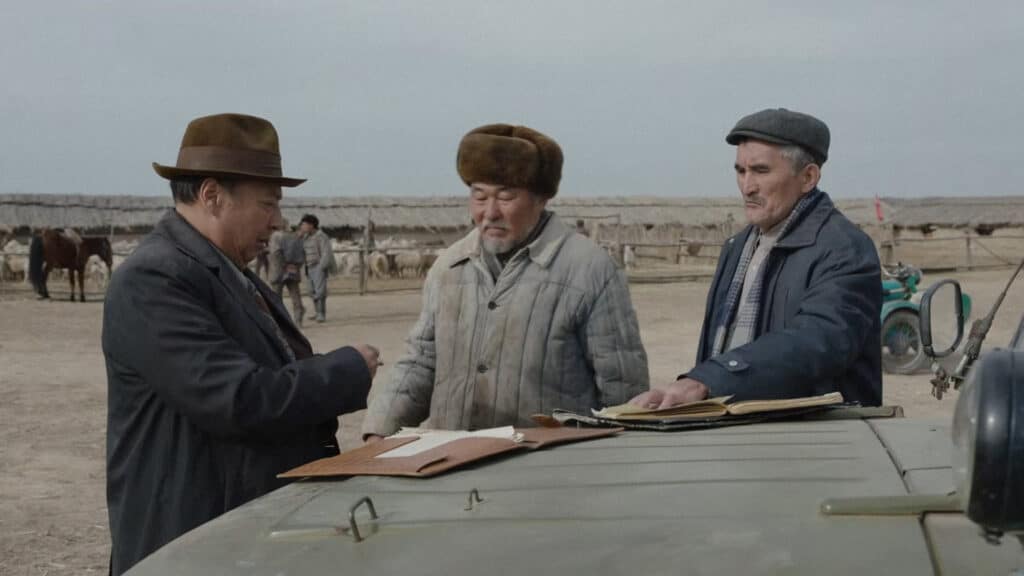
At the same time, Abel reflects on his own family’s history. His ancestors were once prosperous but lost everything during the Soviet collectivization campaigns of the 1920s. Seventy years later, history has repeated itself. Another three decades have passed, and little seems to have changed.
The events depicted in the film feel uncomfortably familiar even today, including the enduring hope that better times are just around the corner.
A timeless tragedy
Within this cycle of disappointment — where brutality repeatedly triumphs over decency — lies the tragedy at the heart of «Abel.» The film portrays a man unable to overcome forces beyond his control, yet unwilling to surrender his principles.
There may be only one Abel, but there will always be many Cains.