
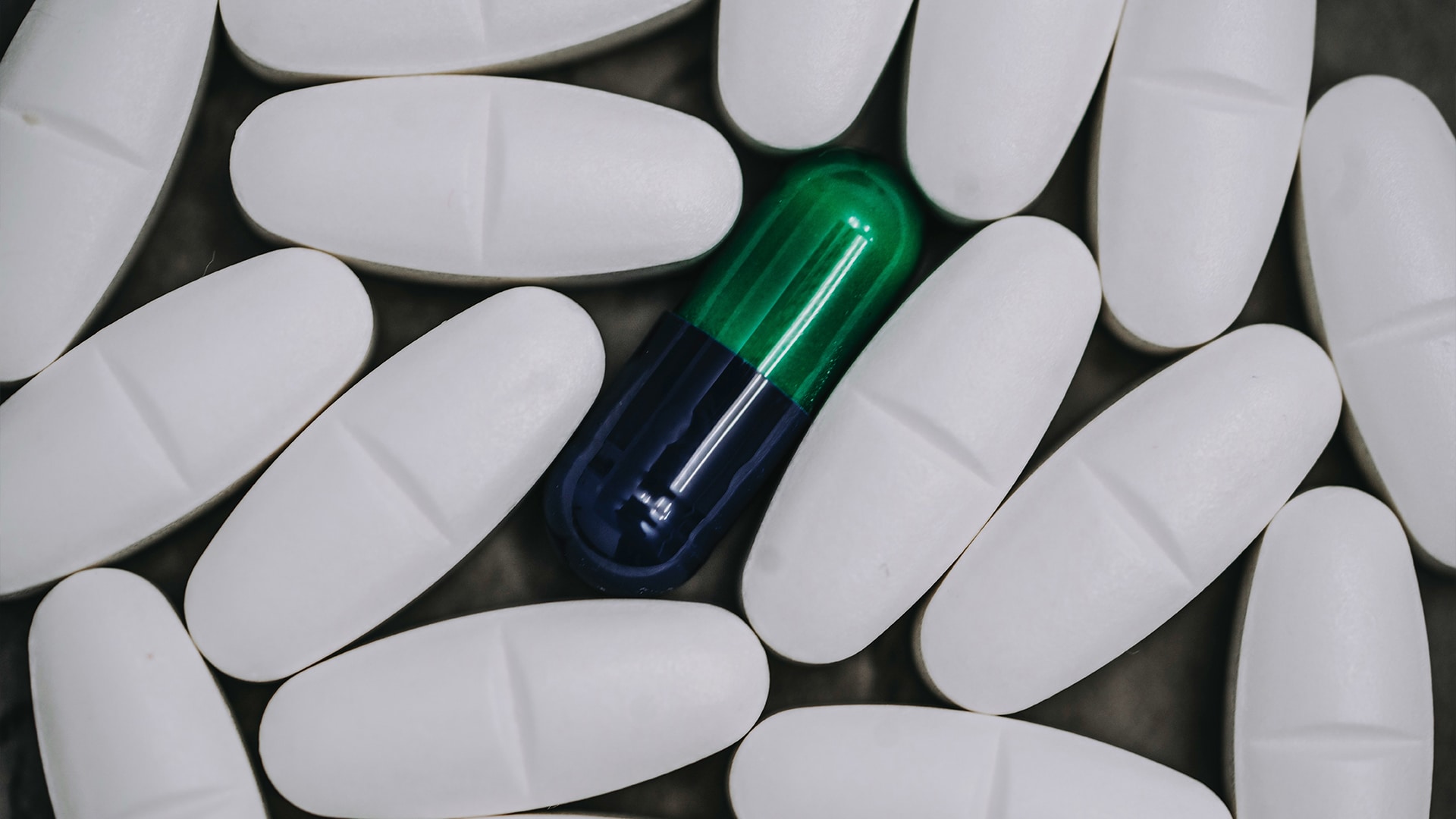
For the first time in more than 60 years, scientists have discovered a new class of antibiotics with the help of artificial intelligence, Euronews reported.
Antibiotic resistance is one of the biggest global health threats. It makes common infections increasingly difficult to treat, and the effectiveness of existing medications is steadily declining. Researchers believe the discovery marks an important step in the fight against bacterial resistance to existing drugs.
The study was conducted by an international team of scientists led by researchers from the Massachusetts Institute of Technology. The results were published in the journal Nature.
How the study was conducted
The researchers’ primary goal was to find a treatment for methicillin-resistant Staphylococcus aureus, or MRSA, one of the most dangerous bacteria resistant to many existing antibiotics. Such infections can cause severe skin lesions, pneumonia and blood poisoning.
To search for new drugs, the researchers used a deep-learning system. First, the algorithm analyzed data on nearly 39,000 chemical compounds and their ability to inhibit MRSA. The model then studied the chemical structure of the compounds and learned to predict which ones might have antibacterial activity.
From there, the AI screened 12 million compounds and identified five promising chemical groups that could form the basis of new antibiotics.
The scientists obtained roughly 280 of the most promising compounds and tested them in the lab. Two ultimately showed strong potential against MRSA.
Tests in mice were also successful. In models of both skin and systemic infections, the new compounds reduced bacterial counts by roughly tenfold.
The newly discovered class of compounds differs structurally from existing antibiotics, which could help combat growing bacterial resistance to current drugs. The compounds are now undergoing additional research and human trials to confirm their safety and efficacy.