
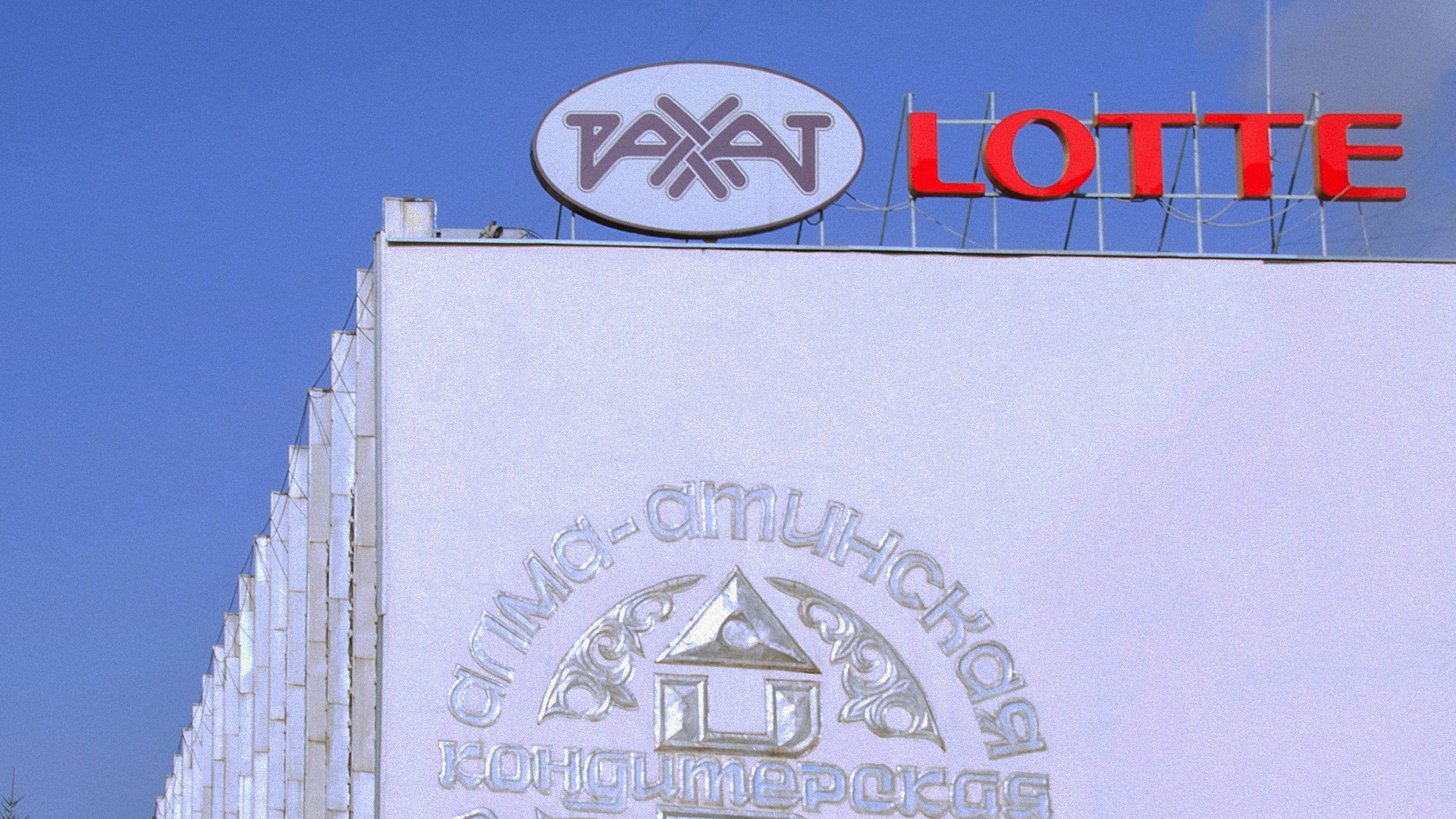
Lotte Rakhat plans to expand its exports to the Persian Gulf and Caucasus, Chairman Akhmed Akhrarov said.
«Currently, Lotte Rakhat products are supplied to Russia, Central Asian countries, China, Mongolia, Afghanistan and Germany. We continue to expand our sales geography while exploring new promising markets, including the Persian Gulf and Caucasus regions,» he said in a statement included in the company’s 2025 annual report.
More than 250 of the company’s products are Halal-certified, providing a foundation for further expansion into markets with strong demand for Halal products. Lotte Rakhat received Halal certification for 225 products in 2025, according to the company.
The company plans to maintain production growth and expand its sales markets. Its current production capacity allows it to manufacture up to 100,000 tons of confectionery products annually.
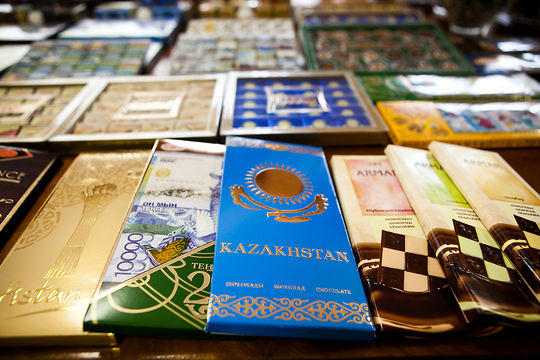
«The continued rise in raw material prices, including cocoa beans, in 2025 led to a decline in financial results compared with the previous year,» Akhrarov said.
Lotte Rakhat’s revenue rose to 106.4 billion tenge (approx. $204 million) in 2025 from 90.9 billion tenge in 2024. Net profit, however, fell to 4.96 billion tenge from 6.4 billion tenge.
In 2025, the company had 71.9 billion tenge in retained earnings.
Company expands product range
Lotte Rakhat launched several new products in 2025, including its ZERO line of products with no added sugar, and expanded its wafer range. The company also invested in corn snack production, laying the groundwork for further expansion of its product portfolio.
Chocolate products accounted for 58.5 billion tenge of 2025 revenue, up from 50.1 billion tenge in 2024. Biscuits generated 21.3 billion tenge, compared with 20.3 billion tenge a year earlier, while candy revenue increased to 14.4 billion tenge from 12 billion tenge. Revenue from other products reached 14.5 billion tenge, up from 10.7 billion tenge.
Trade receivables span four currencies
The company does not disclose a breakdown of revenue by country. However, its trade receivables at the end of 2025 included 1.8 billion tenge denominated in Kazakh tenge, 561.5 million tenge equivalent in U.S. dollar-denominated receivables, 363 million tenge equivalent in Russian ruble-denominated receivables and 141.5 million tenge equivalent in Kyrgyz som-denominated receivables.