When geography meets politics: From Lake Ontario to ‘Lake America’

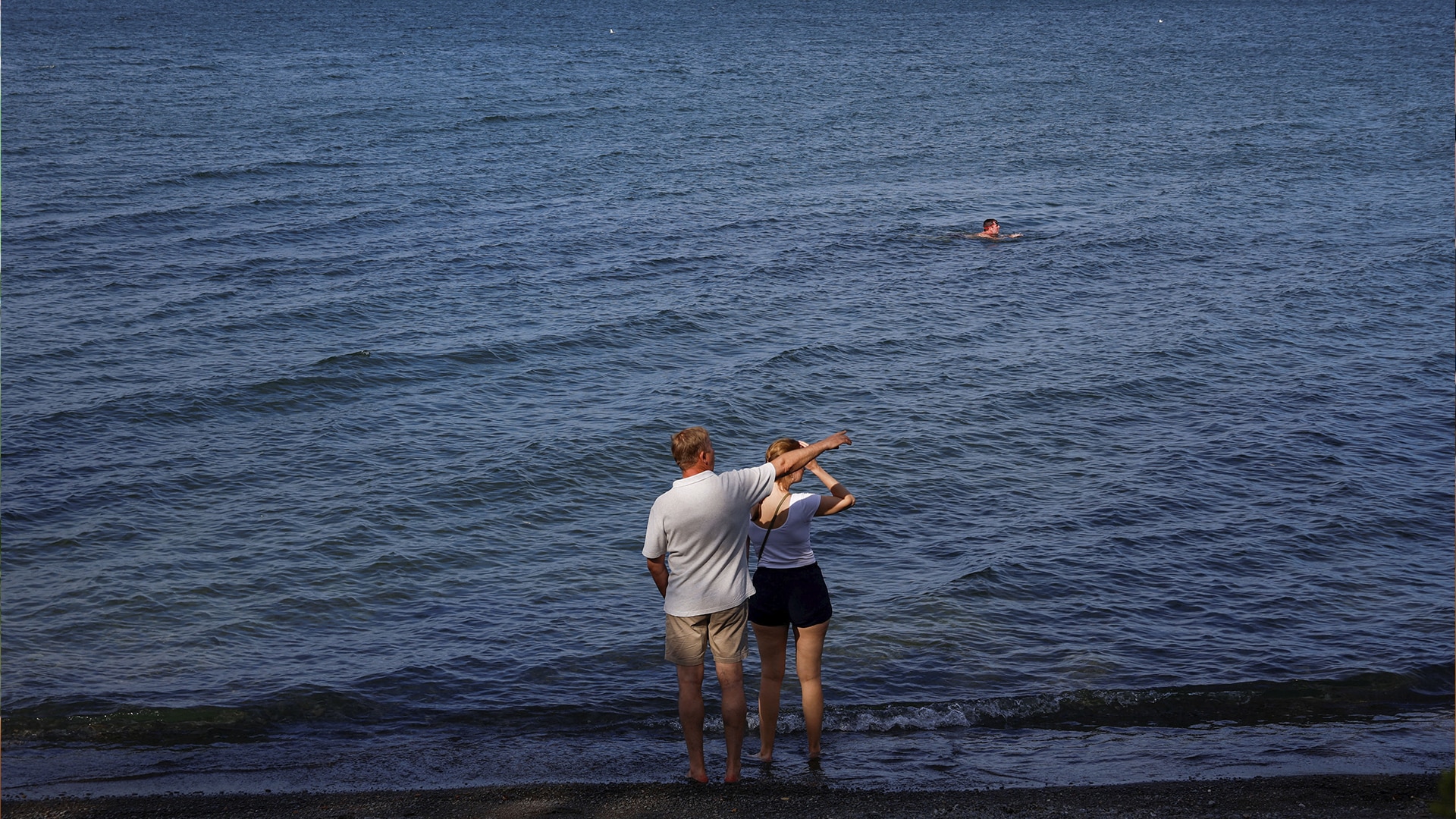
President Donald Trump has signed an executive order directing the U.S. government to rename Lake Ontario as «Lake America» in its geographic naming system. The change applies to U.S. government usage and cannot require Canada, which also borders Lake Ontario and several other Great Lakes, to adopt the new name, the Associated Press reported.
Canadian leaders rejected the decision. Prime Minister Mark Carney said Canadians would continue to call it Lake Ontario, pointing to the lake’s Indigenous history and noting that its name predates both Canadian Confederation and the U.S. Declaration of Independence.
The name Lake Ontario comes from the Wendat word Ontari’io, which, appropriately, means «the lake is beautiful, the lake is big».
— Mark Carney (@MarkJCarney) August 27, 2026
The name is more than 400 years old, predating both the Confederation of Canada and the Declaration of Independence of the United States of America.…
Trump’s decision follows the breakdown of U.S.-Canada trade talks and echoes his earlier move to rename the Gulf of Mexico the «Gulf of America» in U.S. government usage. That decision also came amid tariff confrontations, this time with Mexico.
Politically motivated renaming, however, is hardly new and has occurred repeatedly throughout history.
During World War I, the Canadian city of Berlin, Ontario, was renamed Kitchener amid strong anti-German sentiment. New Berlin, Ohio, met a similar fate, becoming North Canton in 1918.
In Russia, St. Petersburg — whose name was considered too German — was renamed Petrograd during the same period, as hostility toward Germany intensified during World War I.
Following the 1974 Turkish invasion of Cyprus, some Greek Cypriots stopped using the name «Turkish delight» and instead called the confection «Cyprus delight.» A similar, though short-lived, attempt at political renaming occurred in the U.S. in 2003, when some restaurants replaced «French fries» and «French toast» with «freedom fries» and «freedom toast.» The change came as France opposed U.S. plans to invade Iraq and called for more time for U.N. weapons inspections.
Trump, however, has taken the practice a significant step further by applying it to international waters. He has also suggested that his administration could eventually seek to change the U.S. name for either the Atlantic or Pacific Ocean.
Since there is no single international authority responsible for determining the names of international bodies of water, such a change would not necessarily be impossible — at least within the official usage of an individual country.