Why a 1979 Soviet nuclear blast left Donbas unafraid of new threats

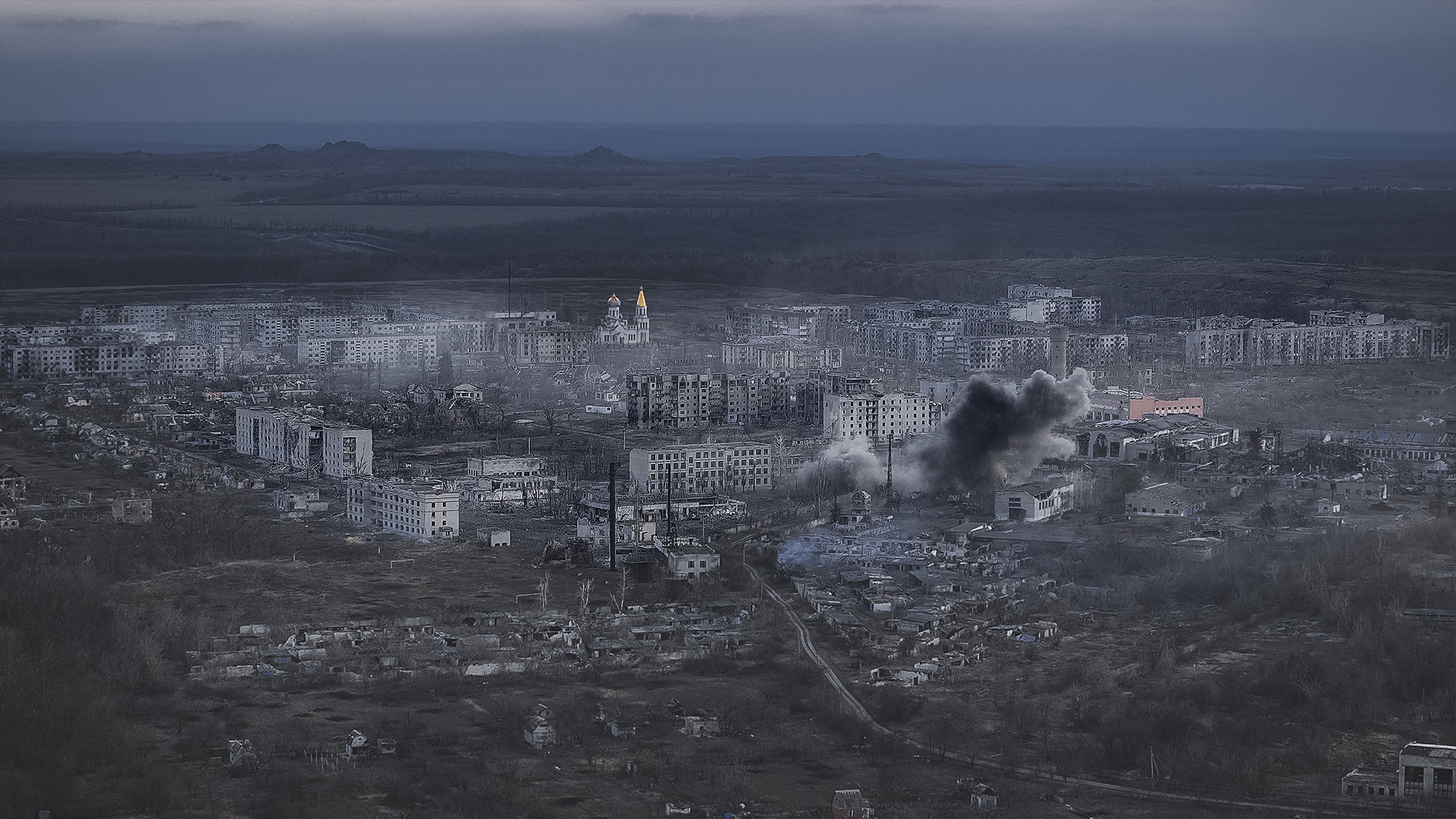
As concerns grow over Russia’s potential use of tactical nuclear weapons in Ukraine, residents of the war-torn Donbas region are facing the threat with surprising indifference. Reporting for Novaya Gazeta Europe, correspondent Dmytro Durnev explains that local residents have already experienced the catastrophic destruction of conventional warfare and, in fact, have lived with the aftermath of an actual tactical nuclear explosion for 47 years.
Read also: Affordable Armageddon: A look inside Ukraine’s $4,000 nuclear shelters.
In 1979, the Soviet government detonated a 0.3-kiloton nuclear charge inside the Yunkom coal mine in Yenakiieve. The official justification was to crack the rock and safely release hazardous coal gas. However, the explosion failed to clear the gas. Instead, the intense heat melted the surrounding earth, creating a highly radioactive, glass-like capsule known as the «Cleavage» («Klivazh“) object. After the blast, locals decorated their homes with beautiful pieces of this radioactive glass.
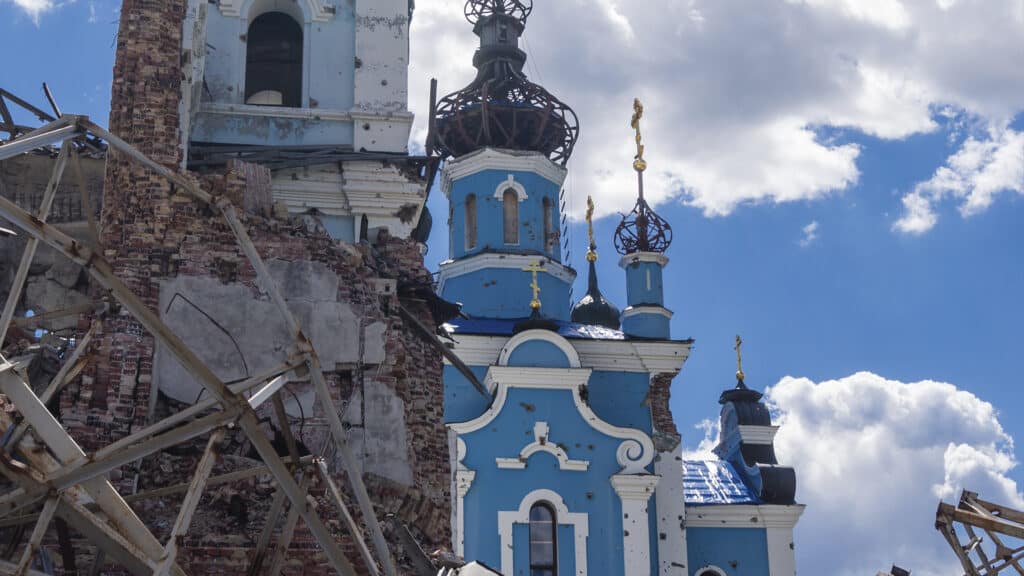
While the government framed the blast as a mining safety measure, experts say the reality was far more cynical. Vladimir Vashchenko, a physicist who studied radioactive contamination in the area, dismissed the official explanation. Vashchenko said the true purpose was to test tactical nuclear weapons in secret, bypassing international test ban treaties signed by the Soviet Union.
According to Vashchenko, the explosive yield was meticulously calculated to ensure Yenakiieve, the city directly above the mine, would not sink or shift by even a single centimeter. The expert also recalled a humorous setback: colleagues trying to study the top-secret blast placed heavy sensors inside cast-iron plugs, only for unsuspecting locals to steal the heavy plugs for scrap metal the night before the explosion.
For decades, the mine was maintained under dry conservation to prevent radioactive leakage. But following the 2014 Russian occupation, nearby mines were abandoned, and Russian scientists implemented a “wet conservation» project, flooding the Yunkom mine in 2018. Experts warn that the radioactive capsule will eventually dissolve, threatening local water supplies.
Yet for many in Donbas, Durnev notes, this silent danger is overshadowed by immediate devastation. Conventional Russian artillery has already reduced cities like Toretsk and Bakhmut to rubble, rendering the prospect of a nuclear strike almost redundant to those who remain.