Secrets of Mao’s last days: From embalming to his destructive legacy

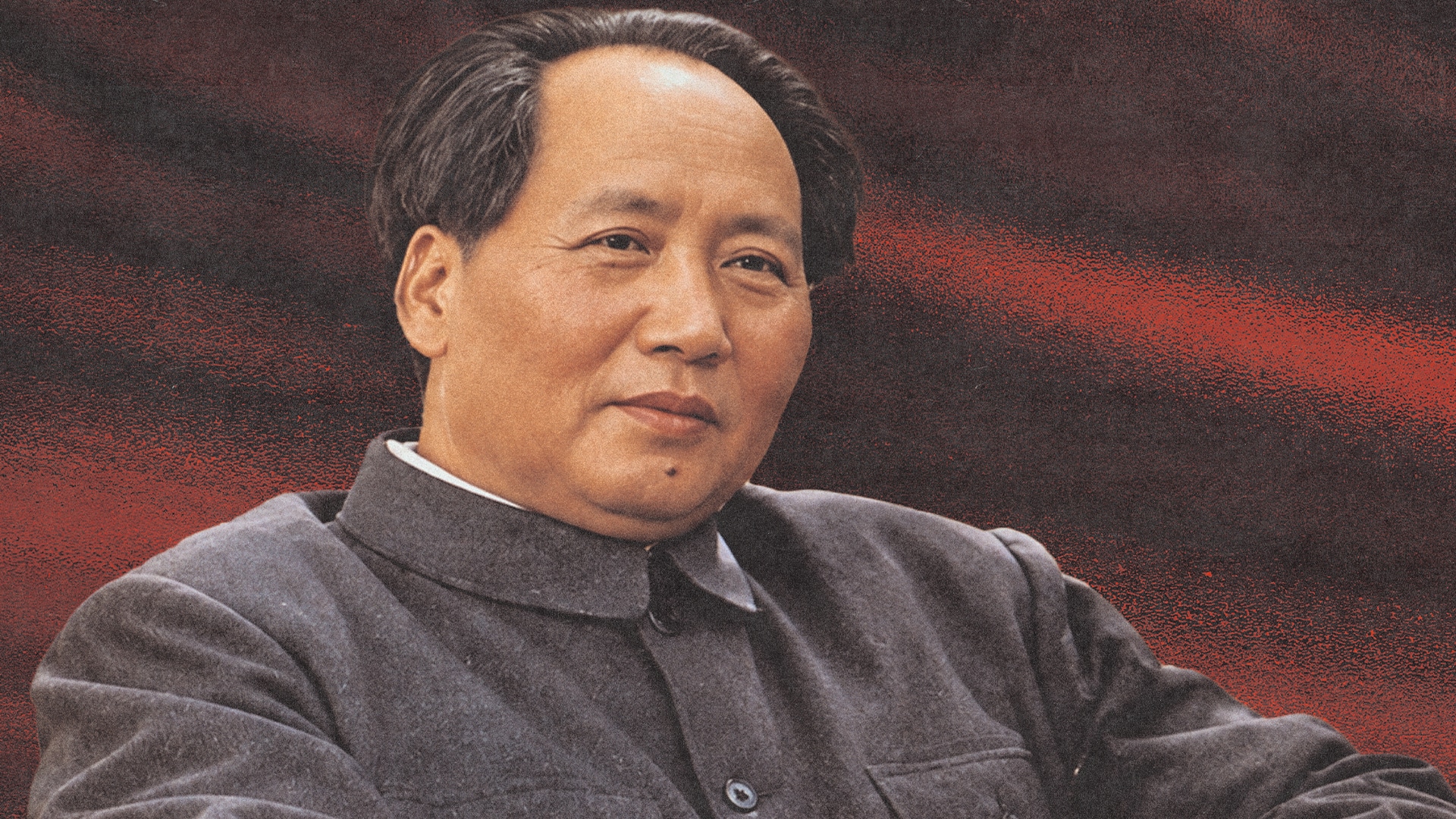
China has marked the 50th anniversary of Mao Zedong’s death. The circumstances surrounding his passing and the farewell that followed have been recounted by renowned Sinologist Yuri Galenovich in his book «The Death of Mao Zedong.»
In this comprehensive study, Galenovich examines the decline and disastrous legacy of China’s paramount leader, whose 27-year rule ended with his death on Sept. 9, 1976. Mysticism surrounded his passing, as local rumors pointed to his security detail, Unit 8341, as an omen foretelling his 83 years of life and 41 years leading the Chinese Communist Party. In Chinese culture, the date of his death — the ninth day of the ninth month — represented «Jiu Jiu,» a numerical limit symbolizing the end of an era and the potential for a fresh start.
The leader’s final days
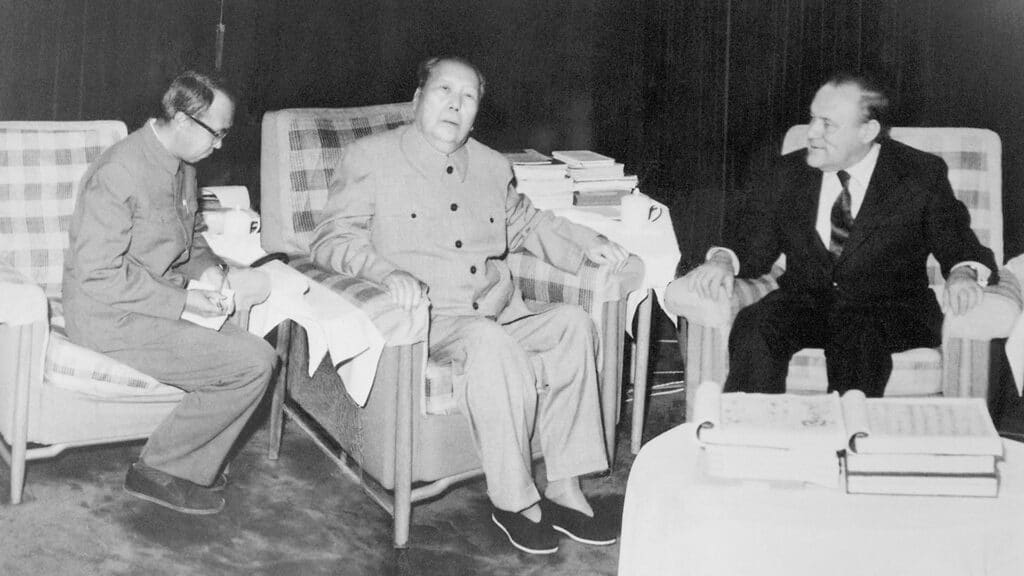
Mao’s physical dissolution was a drawn-out process marked by severe illness, political isolation, and declining mobility. Living in his poolside house (Swimming Pool Pavilion) inside the Zhongnanhai compound, he suffered from chronic bronchitis, heart complications, and strokes that left him barely able to walk or speak. As early as January 1972, Mao suffered cardiogenic shock from oxygen deprivation, requiring emergency resuscitation. During President Richard Nixon’s visit in February 1972, aides had to order oversized cloth shoes due to severe fluid retention in Mao’s feet.
In August 1975, Mao underwent cataract surgery performed by Dr. Tang Yuzhi to restore vision in his right eye, listening to classical opera music during the procedure. When Premier Zhou Enlai died in January 1976, Mao was too weak to attend the funeral, slapping his bent legs in frustration and marking his grief by drawing a red circle on official documents.
Isolated without family, Mao spent his final Lunar New Year’s Eve in early 1976 attended only by personal staff. His nurse, Zhang Yufeng, fed him spoon by spoon as he ate a sparse meal of Wuchang fish and rice porridge. Listening to distant fireworks, Mao asked his staff to set off firecrackers behind his residence, smiling faintly. In March 1976, a massive meteorite shower struck Jilin province. Mao viewed the event with quiet gravity, citing ancient Chinese traditions that falling stones portended the death of historic figures.
Mao held his last foreign meeting in May 1976 with Singapore Prime Minister Lee Kuan Yew, speaking in hushed, barely intelligible tones translated by his niece Wang Hairong. In the summer of 1976, bedridden and failing, Mao summoned the Politburo to his bedside to summarize his life. He stated that he had accomplished only two major deeds: defeating Chiang Kai-shek and repelling Japanese forces, and launching the Cultural Revolution. Acknowledging widespread opposition to the Cultural Revolution, Mao ominously warned his successors that his legacy would be passed on amid political turmoil, foul stenches, and bloody conflict.
A nation mourns and preserves the leader
Mao died at 0:10 a.m. on Sept. 9, 1976, at the age of 82. A massive national mourning ceremony took place on Tiananmen Square at 3 p.m. on Sept. 16, 1976, drawing a crowd of 1 million people. Across China, citizens observed three minutes of silence as factories, trains, and vehicles sounded their horns and sirens in tribute. Despite the public grief, many citizens felt an underlying sense of profound relief, viewing his passing as liberation from decades of tyranny.
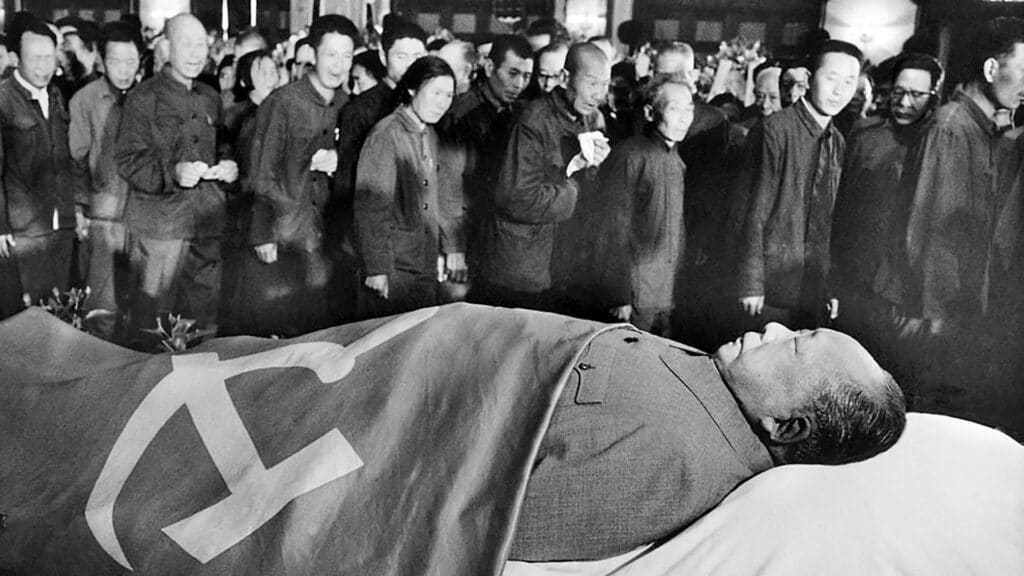
Regarding preservation, Galenovich notes that Premier Hua Guofeng expressed acute anxiety shortly after Mao’s death because the embalming team struggled to resolve technical challenges in preserving the body. Detailed medical records of the chemical embalming process are absent from the text. Mao’s body was eventually housed in a specially constructed Memorial Hall on Tiananmen Square.
The destructive legacy of Mao’s reign
Galenovich evaluates Mao’s rule as a period of unprecedented catastrophe and political tyranny. Millions died during the Great Leap Forward famine between 1959 and 1961, while the decade-long Cultural Revolution impacted over 100 million people through mass persecutions, torture, and forced exiles of urban youth. Mao built a totalitarian system centered on absolute personal dictatorship, dismantling state laws and party constitutions to maintain total control over human lives. Ultimately, his reign left China in deep economic, social, and cultural crisis, forcing his successors to rebuild the nation from ruin.