
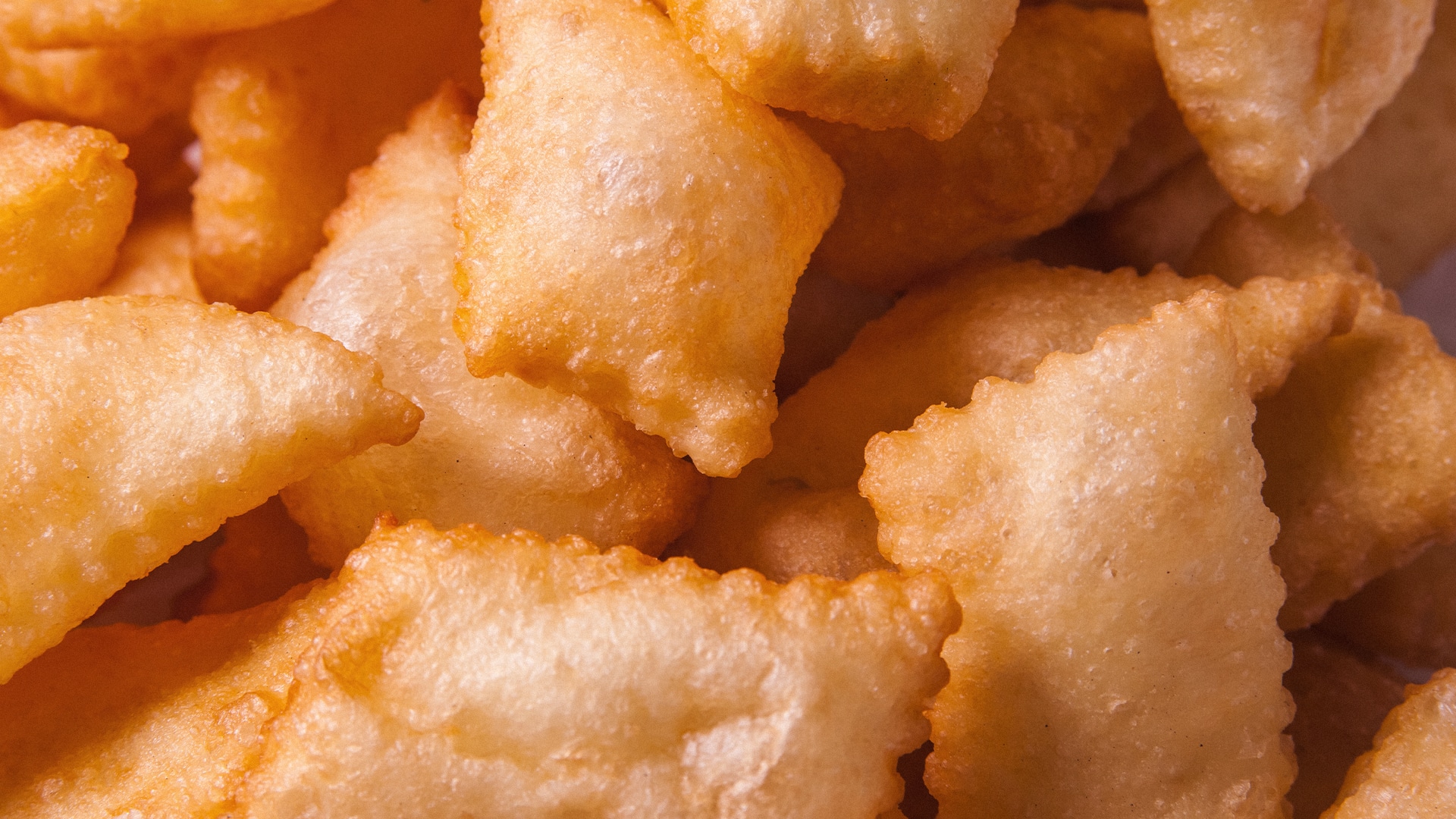
From malatang and fermentation to kazy, Aral fish and tea as an ingredient, the region’s gastronomy is increasingly striving less to invent new products and more to reimagine familiar ones through modern techniques.
Tatler Kazakhstan has identified the leading Asian and Central Asian food trends of 2026.
Malatang and the rise of customization
One of the most notable Asian food trends of 2026 is malatang, a Chinese soup with a distinct mala flavor in which diners choose their own ingredients. The trend has long since expanded beyond China and is now increasingly visible in Japan as well.
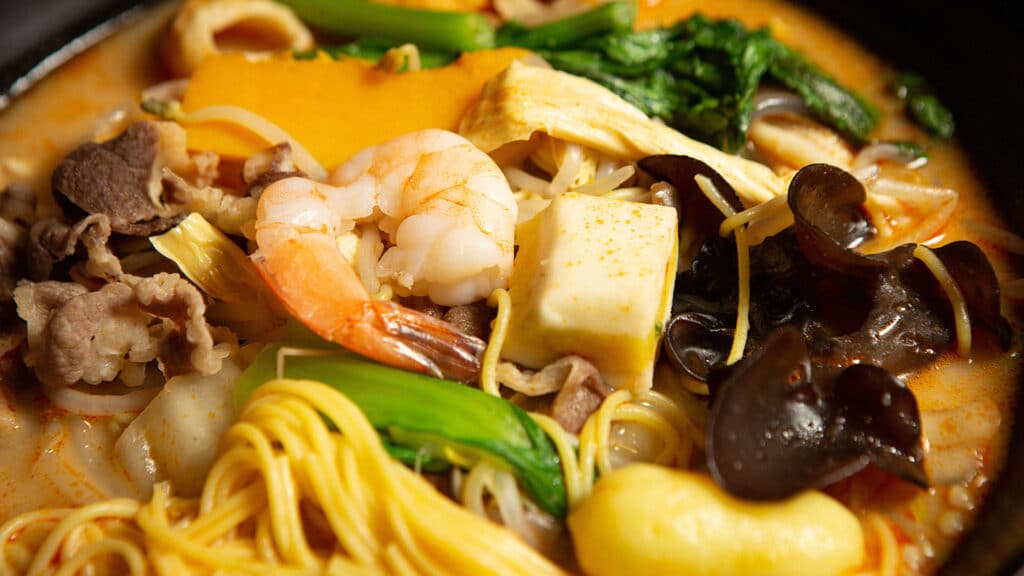
For restaurants, it is a convenient model: One basic broth and a wide variety of ingredients allow them to accommodate diners with very different preferences. For customers, it offers the chance to create a dish that feels personalized.
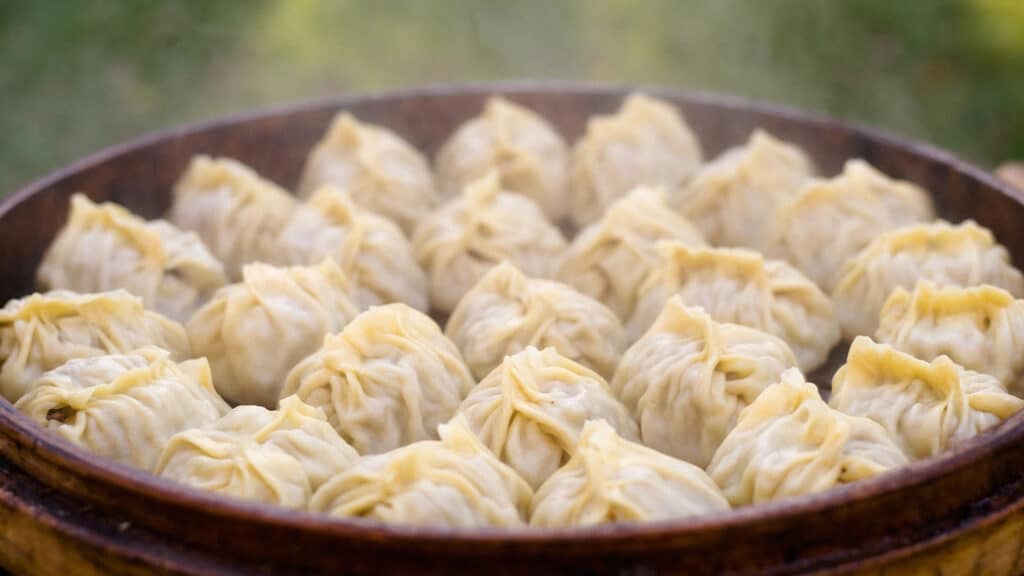
In Central Asia, a similar principle already exists in other forms. In samsa, manti, laghman and plov (pilaf), the choice of ingredients and cooking techniques has historically varied by region and individual family. The idea of customization, therefore, is not as foreign here as it might seem.
Fermentation becomes a culinary tool
Fermentation is one of those trends that, by 2026, can hardly be called fashionable. In modern Asian cuisine, fermented products are becoming more than simply a way to preserve food; they are a full-fledged tool for developing flavor.
Korean cuisine continues to expand its presence, but its restaurant image is changing. Instead of endless iterations of Korean barbecue and kimchi, attention is increasingly shifting toward jang — fermented sauces and pastes — as well as seasonal ingredients and traditional techniques.
This is a particularly interesting development for Central Asia. Fermentation has never been exotic here: Kumys, ayran, katyk and other fermented dairy products have existed across the region for centuries.
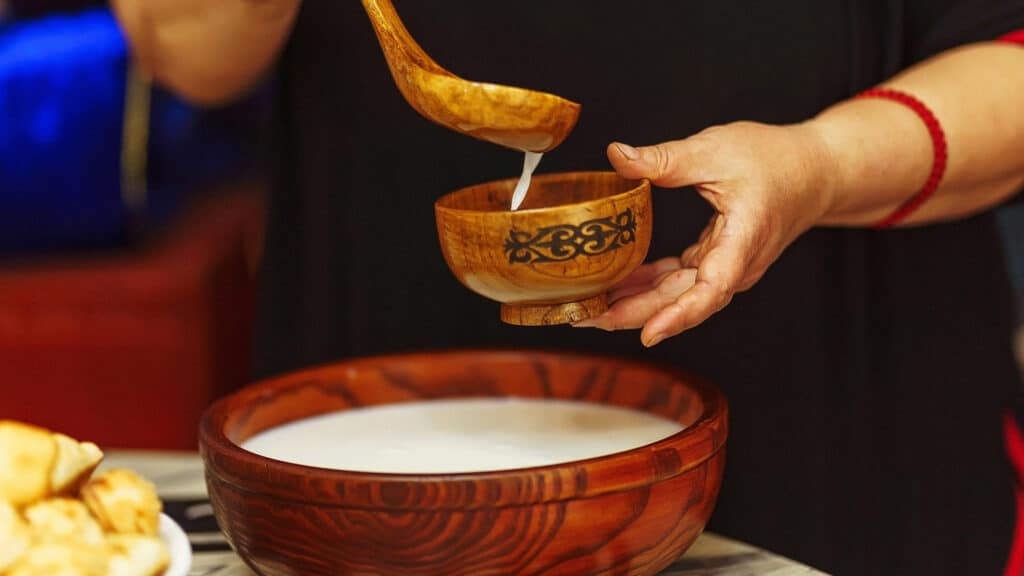
The question now is not how to reinvent fermentation, but how to use it through modern restaurant techniques. Fermented dairy products, vegetables, grains and beverages can become part of tasting menus and contemporary local cuisine.
Tea moves from the cup to the plate
In modern Asian gastronomy, tea is increasingly becoming an ingredient and part of culinary pairings. It is used in broths, sauces, marinades and desserts, while tea flavors are appearing in places where wine or spirits were once expected.
For Central Asia, this may be one of the most natural trends of all. In Almaty, tea remains part of everyday restaurant culture, so the next step may not be to import the Japanese tea ceremony but to explore the region’s own tea traditions: black and green tea, herbs, milk, spices, dried fruit, smoke and even tea-based sauces.
Central Asia looks inward
Perhaps the main food trend in Central Asia in 2026 is not a specific dish but a changing attitude toward the region’s own cuisine.
Almaty was included in Eater’s «Where to Eat 2026» list of top food destinations. The publication highlights the city’s fusion of Kazakh, Uyghur, Uzbek, Korean, Turkish, Russian and Indian culinary traditions, as well as the development of contemporary neo-nomadic cuisine.
Kazy, zhaya, talkan, millet, kumys, kurt, wild herbs, berries, fire-roasted meats, and dried and fermented foods can all be used not as decoration for a restaurant with felt wall panels, but as serious gastronomic offerings.
Notably, Kazakh, Uzbek, Kyrgyz and Tajik cuisines are gradually moving beyond the broad category of «Asian cuisine» and beginning to speak for themselves through their own distinct ingredients, techniques and culinary traditions.