

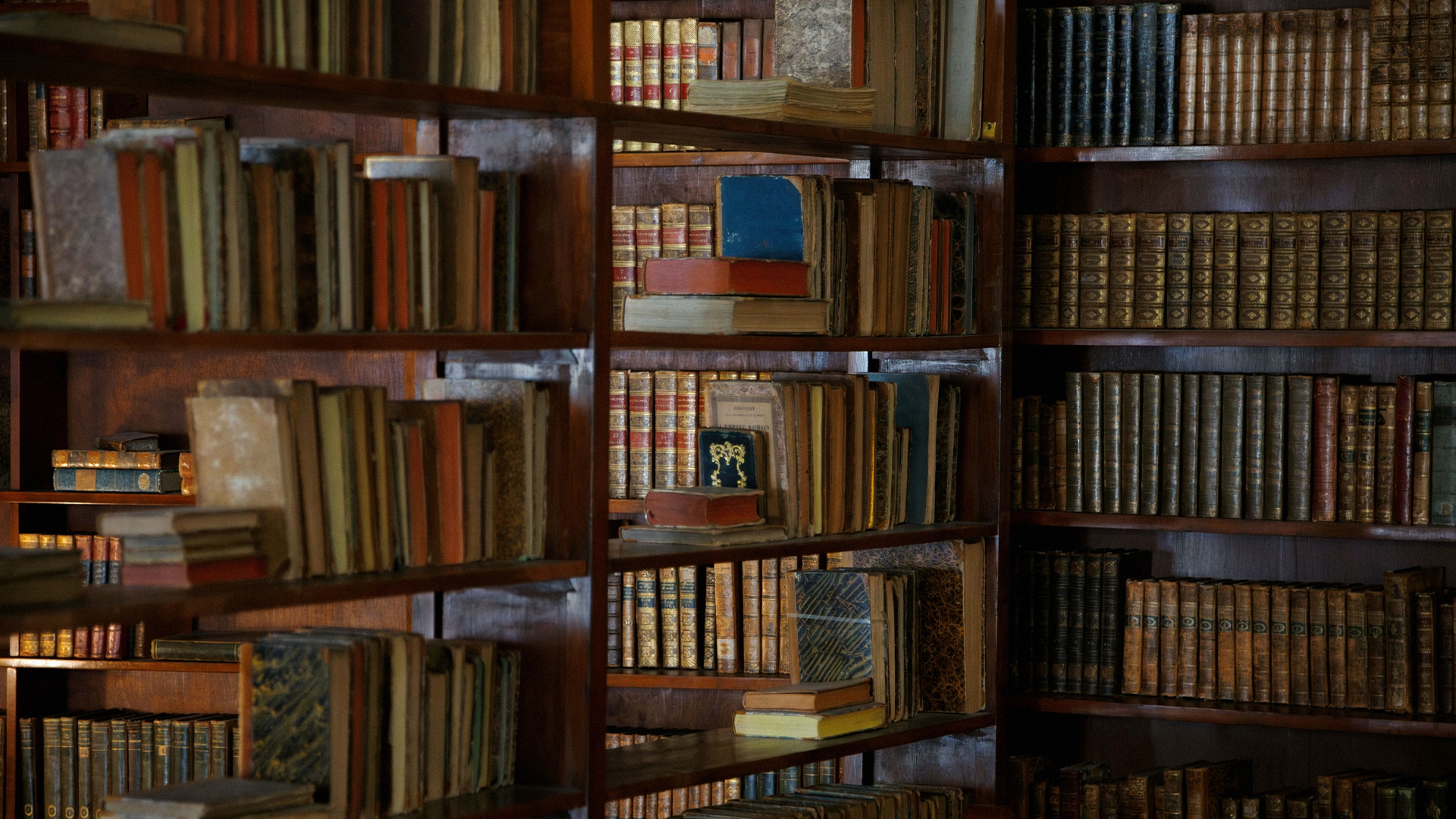
Abu Bilal returned to Syria after 15 years abroad. One of the first things he did upon returning home was break down the wall behind which he had hidden his library. Hundreds of books, documents and other belongings that the family feared could be lost during the country’s civil war were preserved behind the wall. Kursiv LifeStyle explains why the library had to be literally walled up.
Abu Bilal hid the books in October 2011, as mass anti-government protests swept Syria. Before leaving for Kuwait, he built a false wall at home and concealed the books behind it. He feared raids and the possibility that the library might be looted, confiscated or destroyed.
The preserved collection consists primarily of religious and philosophical works, including books on Islamic law and Quranic exegesis, biographies of the Prophet, copies of the Quran and certificates attesting to Quranic studies. Some works in the collection had been banned under the government of President Bashar al-Assad.
In a video published online, the elderly man can be seen dismantling the wall with a sledgehammer and retrieving the books one by one. The collection remained in good condition despite years of war and damage the house sustained.
The story quickly went viral. It emerged at a time when books previously banned or censored under Assad are reappearing in Syrian bookstores and at literary events across the country.
In 2011, mass protests against the Assad government erupted in Syria and rapidly spread across the country. The unrest soon escalated into a full-scale civil war that lasted nearly 14 years and claimed hundreds of thousands of lives. The conflict also forced millions of Syrians to flee fighting and persecution. In December 2024, opposition forces captured Damascus, bringing Assad’s rule to an end after more than 50 years of rule by his family.