Ford, GM, and Stellantis oppose Chinese auto plants in US


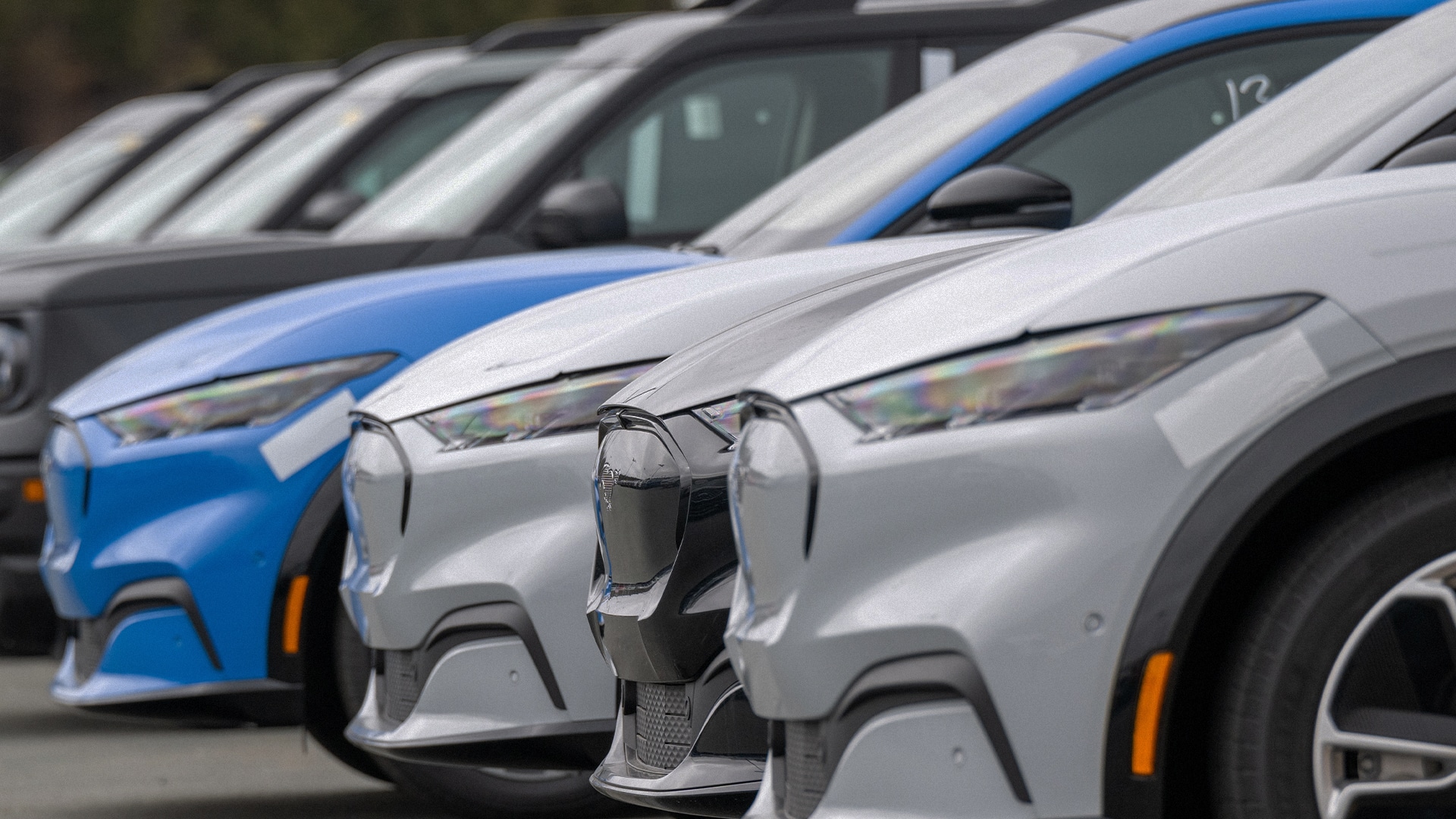
Major U.S. automakers are pushing back against President Donald Trump’s openness to Chinese automakers building factories in the coutry. The American Automotive Policy Council (AAPC), which represents Ford, General Motors and Stellantis, has warned that Chinese manufacturers could gain an unfair competitive advantage, Carscoops reported.
Trump recently said he would not oppose Chinese automakers establishing manufacturing plants in the U.S., provided they employ American workers. He compared the potential arrival of Chinese manufacturers with Japanese automakers, which have built extensive production operations in the U.S.
Read also: Ultimate insider: BYD hires Hungary’s former foreign minister for EU push.

The position of Ford, General Motors and Stellantis was conveyed by AAPC President Matt Blunt. He argued that Chinese automakers benefit from government support, currency policies and other non-market mechanisms. In the council’s view, allowing Chinese companies to enter the U.S. market without addressing these factors could put American automakers, workers and industrial communities at a disadvantage.
The dispute comes as U.S. authorities have stepped up scrutiny of American automakers’ ties to Chinese companies. Ford, in particular, has faced criticism over its partnerships with Chinese battery maker CATL and automaker Geely. Transportation Secretary Sean Duffy has also called on Ford to reduce its reliance on Chinese technology and manufacturing.
Chinese automakers expand overseas
Chinese automakers are already making significant inroads in markets outside China. In Mexico, Chinese brands account for about 20% of the new-car market. Canada is also preparing to allow limited imports of Chinese-made vehicles at reduced tariff rates.
The analytics firm AlixPartners forecasts that Chinese brands could account for up to 30% of the global automotive market by 2030.