Why traditional degrees are giving way to lifelong digital learning

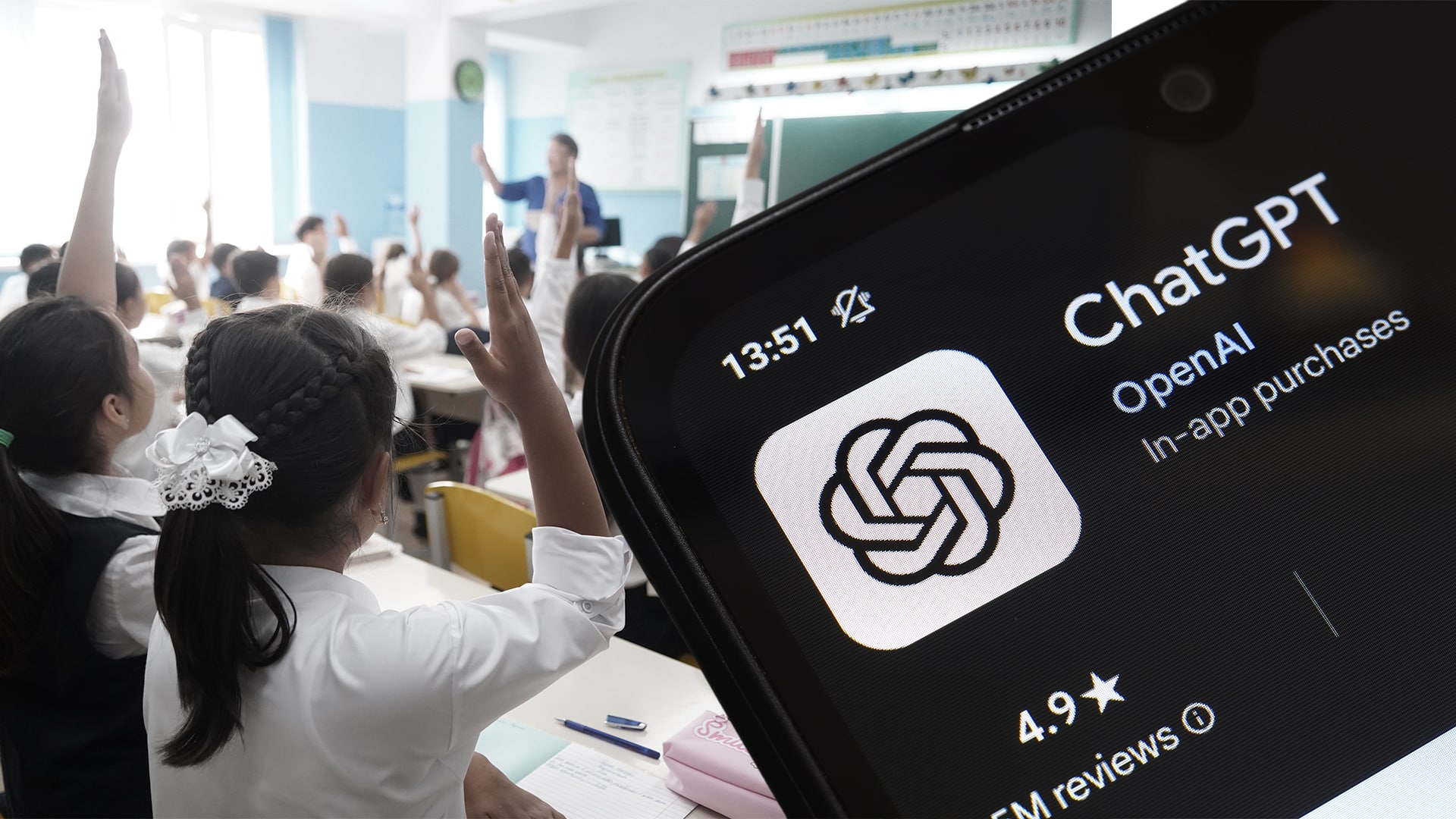
Digital learning is transforming education from a stage of life reserved for youth into a lifelong necessity in an increasingly connected world. A recent ranking by World Population Review highlights how online platforms are expanding rapidly across diverse economies, driven by widespread smartphone access, surging demand for practical tech skills and shifting demographics.
Analysts estimate the international digital education market could surpass $500 billion within the next decade, fundamentally reshaping careers, global economies and workforce opportunities.
Rapid expansion across developing nations
Developing economies are experiencing the fastest digital learning growth, often leapfrogging traditional campus infrastructure.
In India, which boasts more internet users than the total population of Europe, platforms like BYJU’S, Unacademy and government-backed DIKSHA serve millions seeking coding, competitive exam preparation and English-language instruction.

Read also: How hip-hop is helping rural Kazakh students learn English.
Similarly, mobile phones have become the primary educational infrastructure across Africa, where Nigeria leads in technology skill demand and Kenya pioneers mobile-first learning. With Africa projected to hold the world’s largest working-age population by 2100, digital certifications offer young workers direct access to global remote jobs without relying on traditional university systems.
In Latin America, digital university enrollment is growing faster than campus attendance, with nations like Brazil, Mexico and Colombia leveraging online technical programs to drive economic mobility and expand workforce competitiveness.
Strategic innovation and mature markets
Meanwhile, established economies are using digital platforms to address workplace shifts and aging populations. In China, where education is viewed as a key strategic asset, massive private tutoring platforms and AI-powered learning systems expanded rapidly before recent regulatory overhauls reshaped the sector.
Read also: The AI paradox: China is now worried its own tech will cause mass job losses.

In the U.S., the traditional four-year degree model is giving way to continuous re-skilling, with Americans over age 50 representing one of the fastest-growing student demographics on platforms like Coursera and Udemy. Furthermore, skills-based hiring is gaining momentum as corporate certifications increasingly match formal degrees in value.
Europe emphasizes affordability, credential quality and lifelong retraining. Germany focuses on online vocational programs for green technology, while Finland leads in teaching digital media literacy and critical thinking.
Ultimately, as artificial intelligence tutors and personalized learning systems advance, continuous education is becoming a fundamental requirement for long-term economic security in an evolving global economy.