

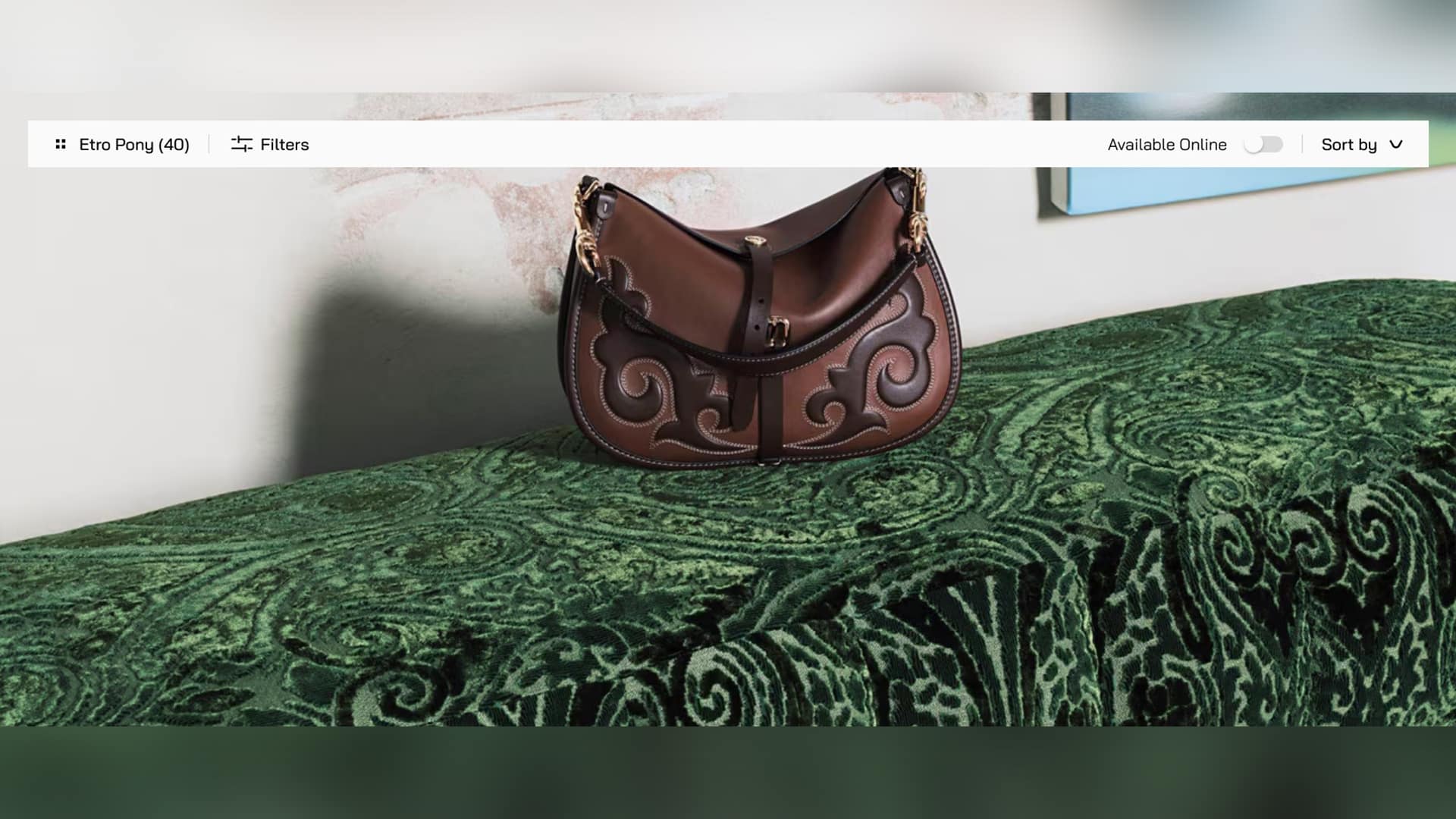
A new handbag collection from Italian fashion house Etro has divided social media users in Kazakhstan and Kyrgyzstan into two camps. While some marvel at seeing «our patterns on the Milan runway,» others are demanding that the brand acknowledge the intellectual property rights of an entire region. Kursiv LifeStyle explores the fine line between inspiration and appropriation in the fashion industry.
Familiar motifs in Milanese high fashion
On Sept. 20, Etro posted photos on its official Instagram account unveiling updated versions of its signature Pony Bag and Kalispera models. At least two bags in the collection triggered a sense of déjà vu among Central Asians, as their designs clearly feature traditional Kazakh and Kyrgyz patterns.
The reaction on social media was immediate. A grassroots campaign emerged on Instagram, with users and local influencers urging one another to comment on the fashion house’s posts and call on the brand to officially credit the traditional cultures of Central Asia and beyond as the source of the designs.
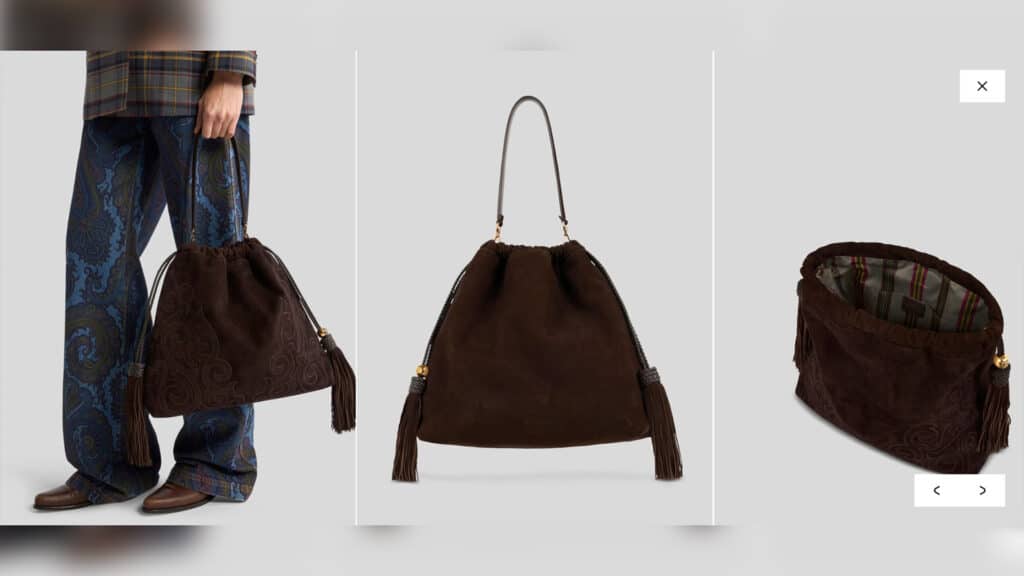
Etro representatives have not responded to the comments. Instead, the fashion house’s official press releases describe the new line as a transformation of the fashion house’s own recognizable codes. Creative Director Marco de Vincenzo, however, has frequently emphasized in interviews, including with Vogue, that he consciously avoids direct references to specific eras or ethnic groups.
Debates over origins and inspiration are nothing new for the Italian brand. Founded in 1968 by collector Gerolamo Etro, the fashion house has drawn inspiration from travel, colonial-era imagery and ethnic motifs since its inception.
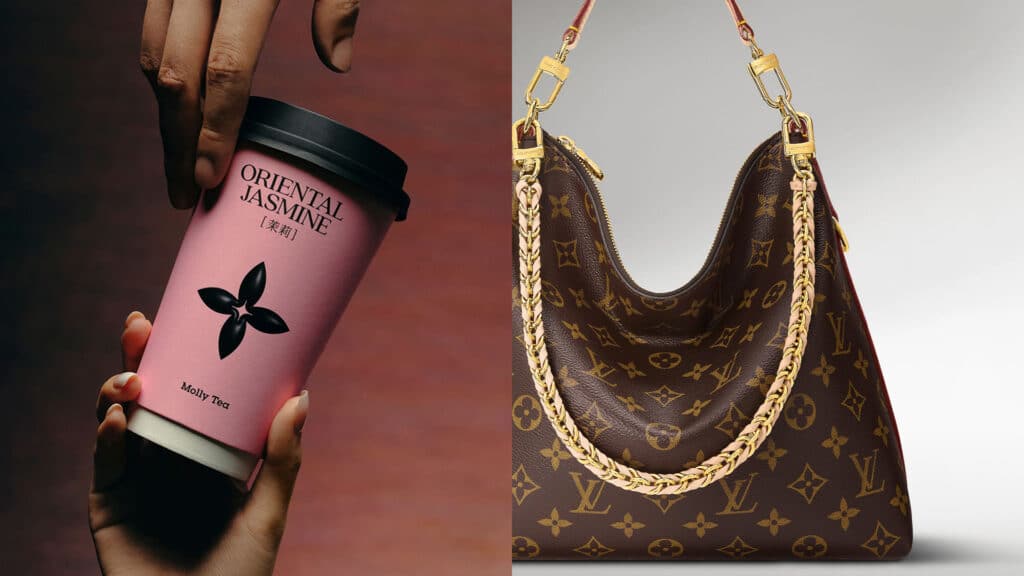
Read also: Chinese consumers took Molly Tea’s side in Louis Vuitton legal battle.
Since 1981, the brand’s signature symbol has been the paisley pattern — itself the product of a long history of cultural exchange and appropriation. The ancient Persian buta motif arrived in Europe during the colonial era and eventually acquired the name «paisley» after the Scottish town of Paisley, a major center for producing fabrics featuring the design.
A history of cultural appropriation
There are also more recent examples, such as the controversy involving the Navajo Nation. In the summer of 2021, Etro faced criticism from activists and fashion watchdog Diet Prada over its menswear collection. The brand was accused of appropriating sacred visual motifs belonging to the Navajo Nation, including elements resembling holy sand paintings and pictograms of Yei, spirit intermediaries in Navajo religious traditions.
The luxury label was accused of turning sacred symbols of an Indigenous people into commercial products without the community’s consent or compensation for its artisans.
Read also: Luxury pivot: Prada partners with Indian artisans after appropriation row.
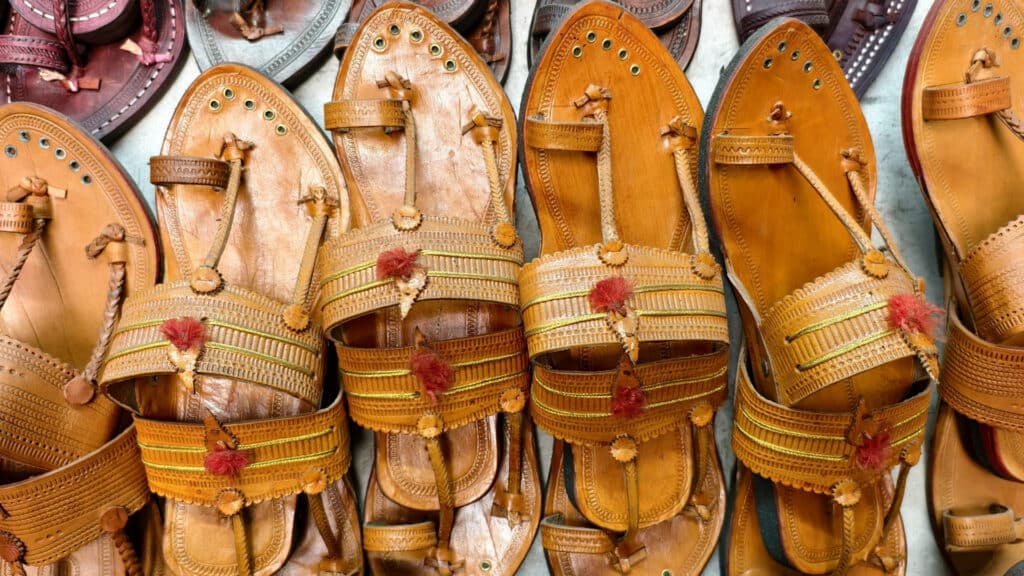
Etro’s defenders argued that the brand was simply drawing inspiration from Navajo culture — much like the current argument that Kyrgyz ornaments made an indelible impression on the world during the World Nomad Games.
When cultural borrowing becomes a «piracy paradox»
There is another argument in favor of such «cultural borrowing,» and fashion theory has a specific term for it: the «piracy paradox,» or the effect of global legitimization. When a renowned brand draws on local ethnic motifs, it can elevate them from the realm of «museum folklore» to that of modern global luxury.
Moreover, in the internet age, the original source can be difficult to obscure. A wave of «visual investigations» on social media can prompt global consumers to search for terms such as shyrdak or syrmak. For Kazakhstan and Kyrgyzstan, this can translate into free international publicity — exposure that could eventually attract foreign buyers and tourists to local designers and artisans.
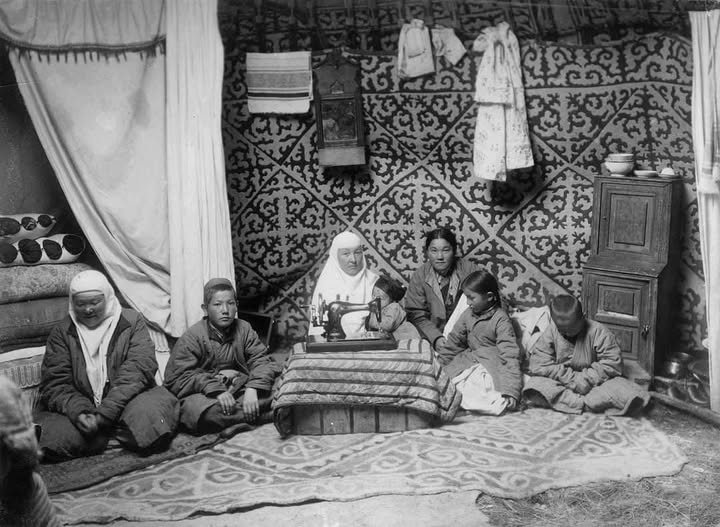
Read also: Stitches of the steppe: The forgotten art of traditional Kazakh dolls.
However, this positive outcome is more a side effect than a deliberate achievement by the brand. That is why independent fashion outlets increasingly emphasize that while the modern fashion industry places few restrictions on drawing inspiration from other cultures, it is crucial to distinguish cultural appreciation from cultural appropriation.
Appreciation requires collaboration
Appreciation is often a form of collaboration. Christian Dior’s projects offer one example of how fashion brands can engage with cultural heritage; the brand has worked with local weavers and artisans in India and Africa on its cruise collections, highlighting their contributions, paying for their work and preserving the cultural context.
To understand the boundary between cultural appropriation and respect, one need only look at another story that went viral on social media, albeit with a diametrically opposite reaction. This is the case of Kazan-based brand Aigel Salakh, whose bags have won the hearts of fashion enthusiasts in Kazakhstan and Kyrgyzstan.
The ornaments and floral-zoomorphic motifs on Aigel Salakh’s products bear a striking, almost identical resemblance to traditional steppe patterns. Yet, far from facing accusations of appropriation, the brand receives hundreds of compliments and expressions of admiration in the comments. Why?
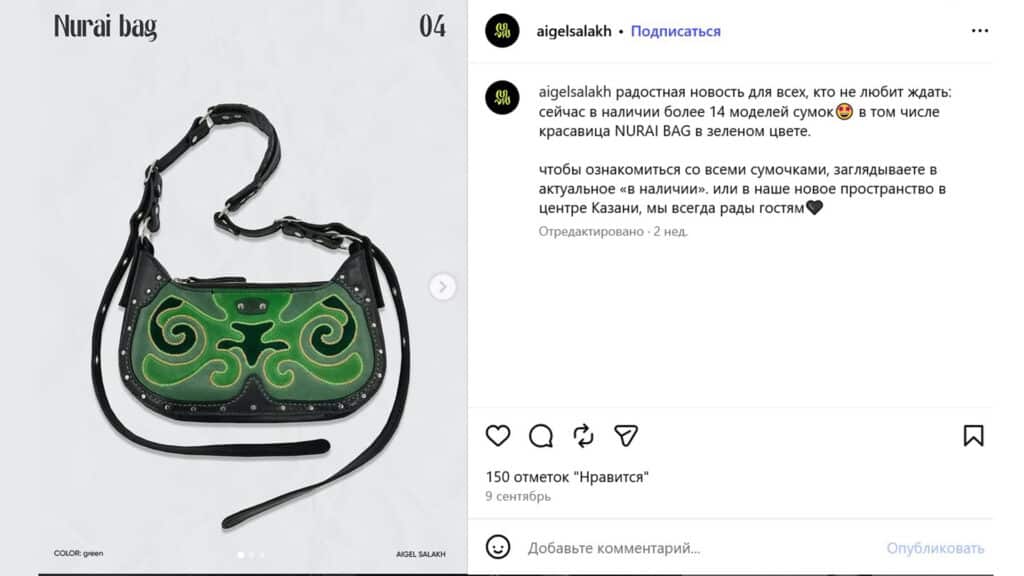
First, there is the shared ethnocultural heritage. Young designer Aigel Salakhova works in the ancient Tatar technique of patterned leather mosaic, a craft with close parallels to traditions that were also practiced by Kazakh and other Central Asian artisans. Our great-grandmothers were familiar with similar techniques, and many wore the famous Tatar leather boots.
That is why, when we see these bags today, our subconscious may perceive them not as «outsiders stealing what is ours,» but as a celebration of shared Turkic heritage.
Second, while a luxury fashion house might take a traditional pattern, digitize it and feed it into an industrial production process, Aigel Salakh is dedicated to craftsmanship. Each bag is assembled by hand, piece by piece, and stitched using the traditional «Kazan seam.» Consumers see this as a demonstration of respect for the continuity of generations.
And third, unlike Western luxury labels, this local brand does not try to sell exoticism — it is rooted in its own culture. It promotes its own heritage.
Who gets to tell the story?
The entire situation, including the discussions on social media, demonstrates that the Central Asian fashion community has no intention of locking its shyrdaks and syrmaks away in chests or jealously hiding them from the rest of the world.
Kazakhstan and Kyrgyzstan are more than happy to see nomadic aesthetics grace the runways of Milan — preferably through collaborations that actually bear the names of the cultures, artisans and designers behind them.
In the meantime, however, European luxury giants can sometimes appear to act as if they discovered the treasures of the Great Silk Road in an abandoned Google Drive folder.
It is high time they updated their database.