

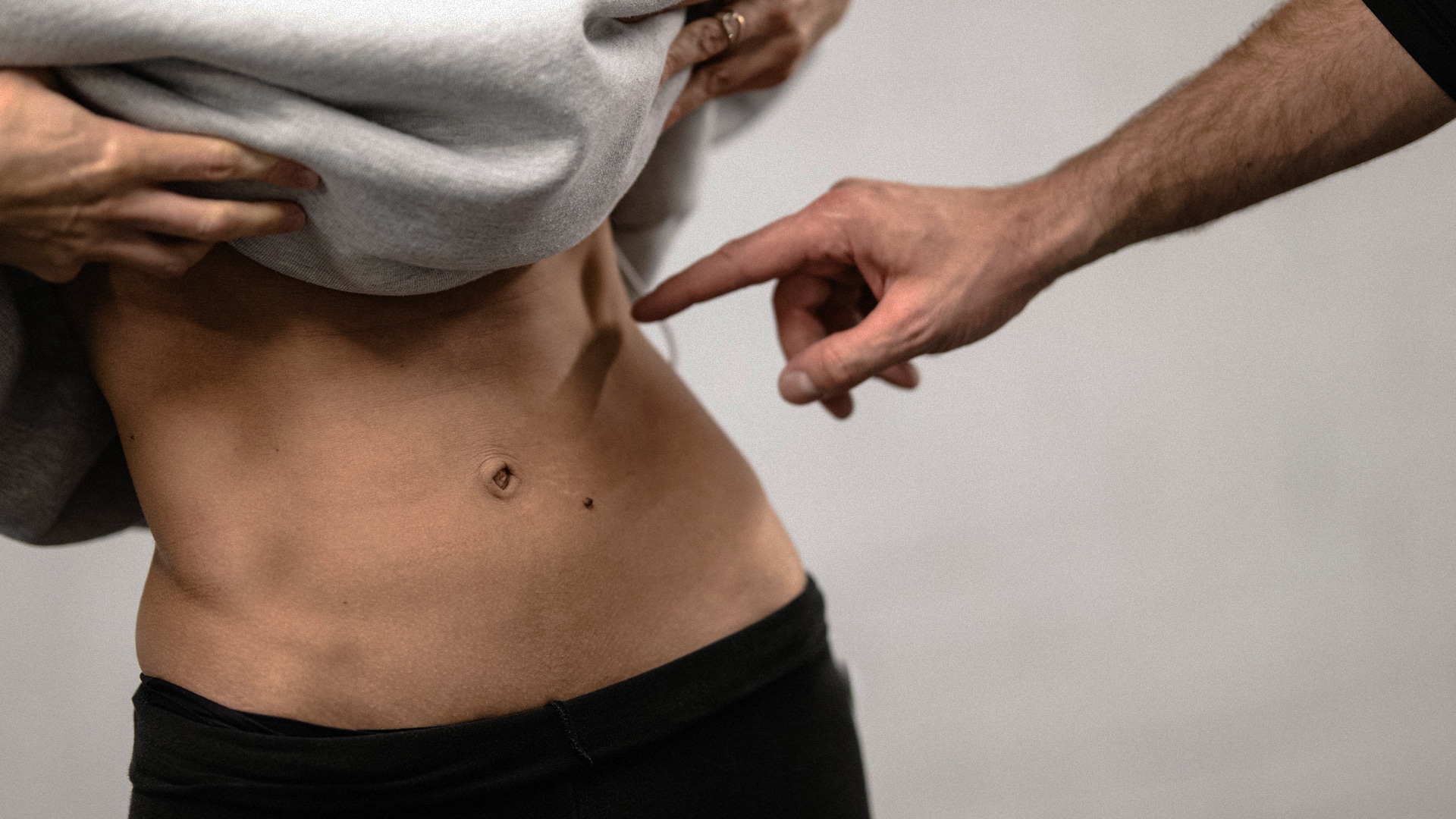
When a person loses weight, fat does not simply «burn away,» nor does it leave the body through sweat. In fact, the body gets rid of it another way.
Researchers at the University of Birmingham explained how the process works, as reported by Euronews, citing an article in The Conversation.
Fat means energy
The body begins drawing on its fat stores when it gets less energy from food than it needs. When this happens, it taps into its stored energy reserves.
The body first breaks down dietary fat into fatty acids. Some of these are used to build cells, produce hormones and support other essential processes, while the excess is stored as triglycerides in subcutaneous fat tissue and around internal organs.
When the body needs additional energy, it breaks down triglycerides and releases fatty acids into cells. There, in the mitochondria, they undergo beta-oxidation, which is a series of chemical reactions that allows the body to extract energy from fat.
The ultimate products of this process are carbon dioxide and water. This is literally the route through which the mass of lost fat leaves the body.
According to researchers’ estimates, about 84% of the fat a person loses is converted into carbon dioxide and leaves the body through the lungs when we exhale. The remaining 16% is converted into water, which is eliminated through urine, sweat and other bodily fluids.
Is it possible to lose weight by breathing more frequently?
No. Breathing faster or more deeply does not, by itself, cause the body to burn through its fat stores. What does increase the body’s energy requirements is physical activity. Moreover, if the energy provided by food is insufficient to meet those needs, the body makes up the difference by drawing on its own energy reserves, including stored fat. In other words, the key requirement for losing body fat is an energy deficit.