Russia to continue toxic rocket launches from Baikonur without extra risk pay


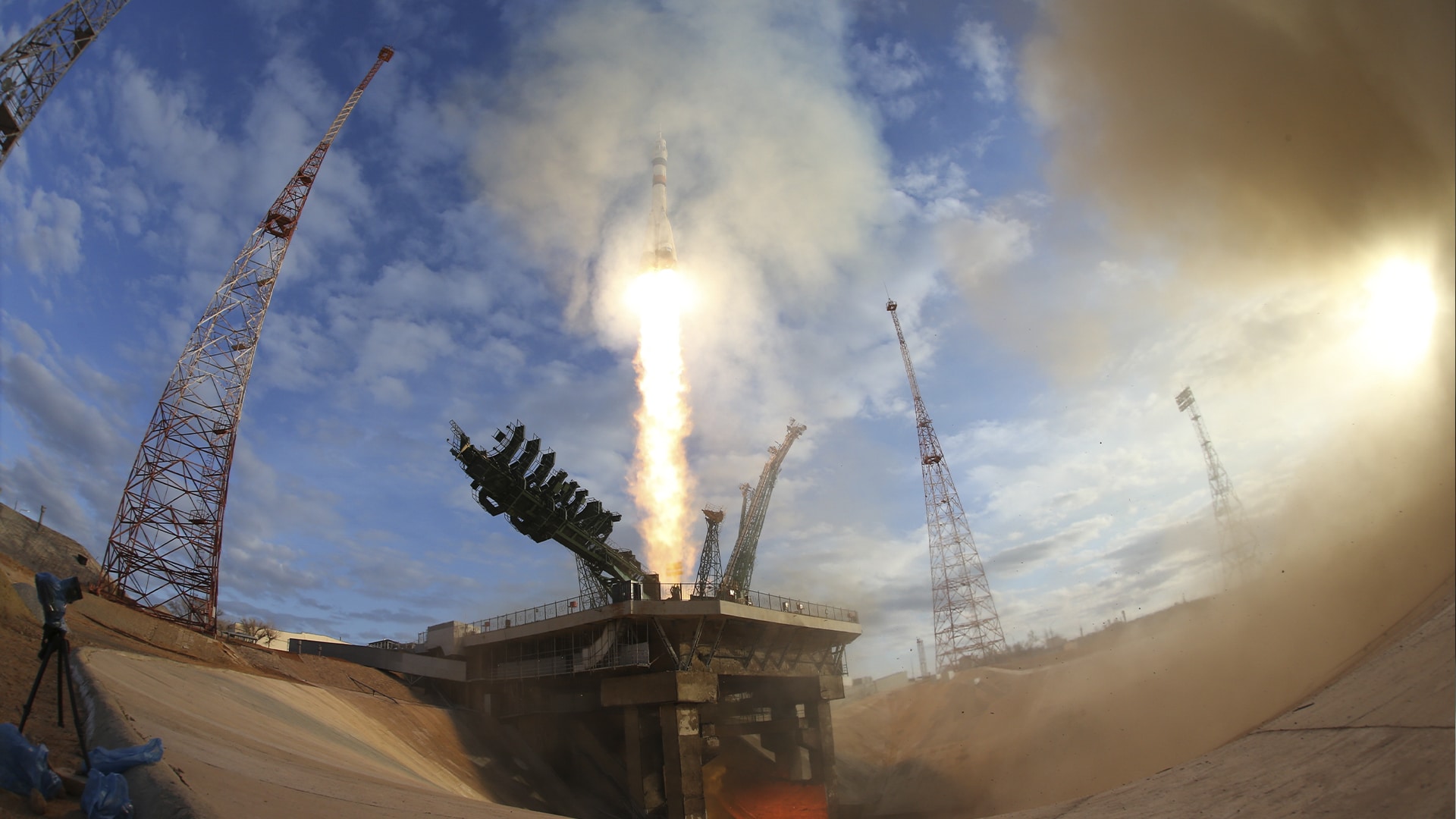
Russia will continue launching its Proton-M expendable launch vehicles (ELVs), powered by toxic heptyl fuel, from the Baikonur Cosmodrome in Kazakhstan without paying additional compensation for environmental risks, Kazakhstan’s Ministry of Artificial Intelligence and Digital Development told Kursiv.media in response to an inquiry.
According to the ministry, only one Proton-M was launched from Baikonur in 2026, on Feb. 12. No other launches of this type are planned by the end of the year. This means Roscosmos has nine more launches remaining under the previously approved plan of 10 rockets.
The ministry noted that Kazakhstan will not demand additional payments from Russia for potential damage to the environment and local population, as the number of Proton-M launches has already declined significantly over the past 10 years and has remained within the limits previously agreed by the parties.
«In fact, it is about extending the timeframe for launching the remaining Proton vehicles, within the previously agreed number of launches,» the ministry said.
The parties agreed to extend the launches under the terms of the joint use of Baikonur during a meeting of the intergovernmental commission in 2025.
The danger behind Proton-M
The Proton heavy-lift ELV was developed between 1961 and 1967. It is fueled by heptyl, a highly toxic substance that poses significant risks to the environment and human health.
According to open sources, 13 major accidents involving the Proton rocket have occurred since 1991. In 1999, the ELV experienced two failures in the Karaganda region. In the first incident, the rocket collapsed and fragments fell into a residential area, causing a fire due to fuel spillage. In the second, debris landed in a sparsely populated area.
In 2007, a Proton-M rocket crashed 40 kilometers from Zhezkazgan on the same day that former President Nursultan Nazarbayev was in town. Although the damage from the accident was quickly addressed, Kazakhstan initially sought $60.7 million in compensation from Russia. The amount was later reduced to $2.5 million.
The ELV experienced a series of accidents between 2013 and 2015. In one incident, a rocket crashed just 2.5 kilometers from the launch site while carrying approximately 600 tons of fuel.
In 2015, Kazakhstan and Russia agreed to phase out Proton-M launches from Baikonur after 2025, with Russia planning to replace the Proton with the more environmentally friendly Angara launch vehicle. However, in April 2024, Russia proposed that Kazakhstan allow Proton launches to continue.
Separately, in 2024, MP Aidos Sarym said that Kazakhstan was not giving up on rocket launches from Baikonur, including Proton launches, as the facility provides jobs and social stability for the city, with thousands of Kazakhstanis employed in maintaining the complex. He also noted that keeping the launch site operational allows Kazakhstan to develop more environmentally friendly projects, including those involving rockets propelled by fuel based on kerosene under the Baiterek program.