

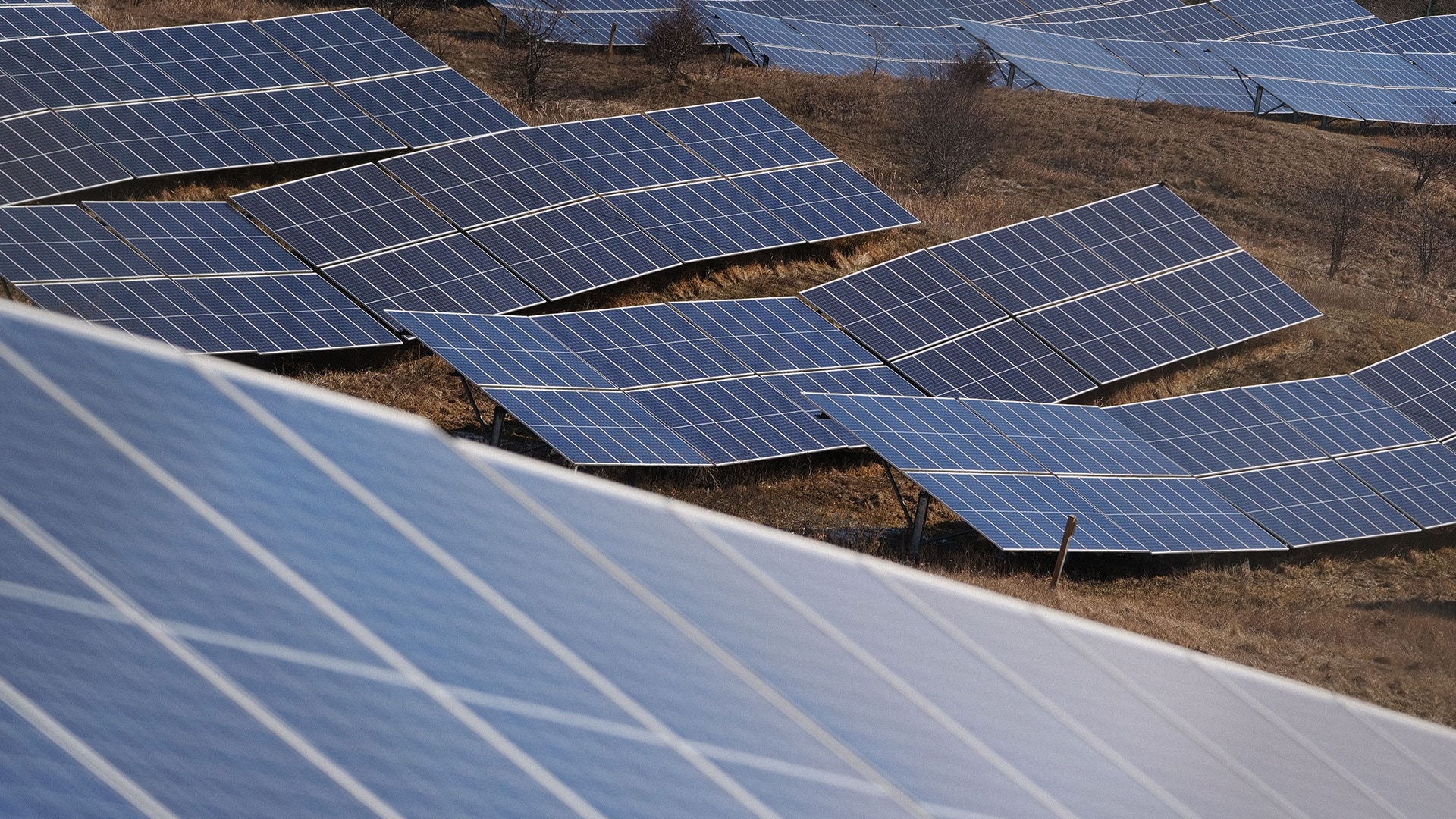
Kazakhstani manufacturers of energy equipment aim to secure up to 52% of the construction costs of solar power plants in the country.
Sergey Agafonov, chairman of the Kazakhstan Association of Energy Repair, Design and Engineering Companies, made the proposal in a letter to Ryskhan Nugurbekov, managing director of Baiterek, a state-owned development institution and one of Kazakhstan’s largest financial holding companies.
Agafonov asked Baiterek to ensure that its subsidiaries comply with local-content requirements when financing renewable energy projects. He said the use of loans and other financial instruments provided by Baiterek subsidiaries for renewable energy facilities constitutes financing through state investments and funds from the quasi-public sector.
Given that the share of locally produced equipment in the equipment component of solar power plant projects could reach 52%, Agafonov asked Nugurbekov to oversee compliance with the relevant regulations by organizations acting as project clients, according to the letter sent to Baiterek on Oct. 1 and reviewed by Kursiv.media.
Read also: Kazakhstan’s largest renewable energy projects.
Solar projects and local production
Agafonov said auctions had been held for the construction of solar power plants in Kazakhstan, with winning bids selected for projects totaling 965 megawatts (MW) in capacity. The winning electricity tariffs ranged from 31.45 tenge to 34.61 tenge ($0,070-$0,078) per kilowatt-hour (kWh).
Long-term contracts traditionally include provisions for indexing renewable energy tariffs, as investors often import foreign equipment and components to launch renewable energy projects. However, the expected development of large-scale renewable energy projects, with capacities ranging from 500 MW to 1,000 MW, has prompted plans to establish local manufacturing facilities for such equipment in Kazakhstan.
The association’s chairman noted that current regulations establish specific requirements for the design and construction of facilities financed through state investments or by quasi-public-sector entities. Project clients are also required to monitor the use of locally sourced construction materials, equipment, products and structural components.
Agafonov therefore asked Baiterek to assess whether the winners of solar power plant construction auctions scheduled for 2025-2026 comply with these requirements if they have applied for financing from Baiterek subsidiaries.
The companies listed in the letter are:
- Altyn Dala Energy Ltd. — 600 MW at 34.60 tenge per kWh.
- Shetmerki — 100 MW at 34.56 tenge per kWh.
- Energo Transit Group — 50 MW at 34.56 tenge per kWh.
- Bereke-Solar — 15 MW at 31.45 tenge per kWh.
- Vigor Holding — 20 MW at 31.36 tenge per kWh.
- Tesis — 60 MW at 31.49 tenge per kWh.
- Dala Solar — 50 MW at 34.60 tenge per kWh.
- SharDara Solar Energy — 50 MW at 34.61 tenge per kWh.
- AA Solar — 50 MW at 34.60 tenge per kWh.
Local companies eye nuclear plant contracts
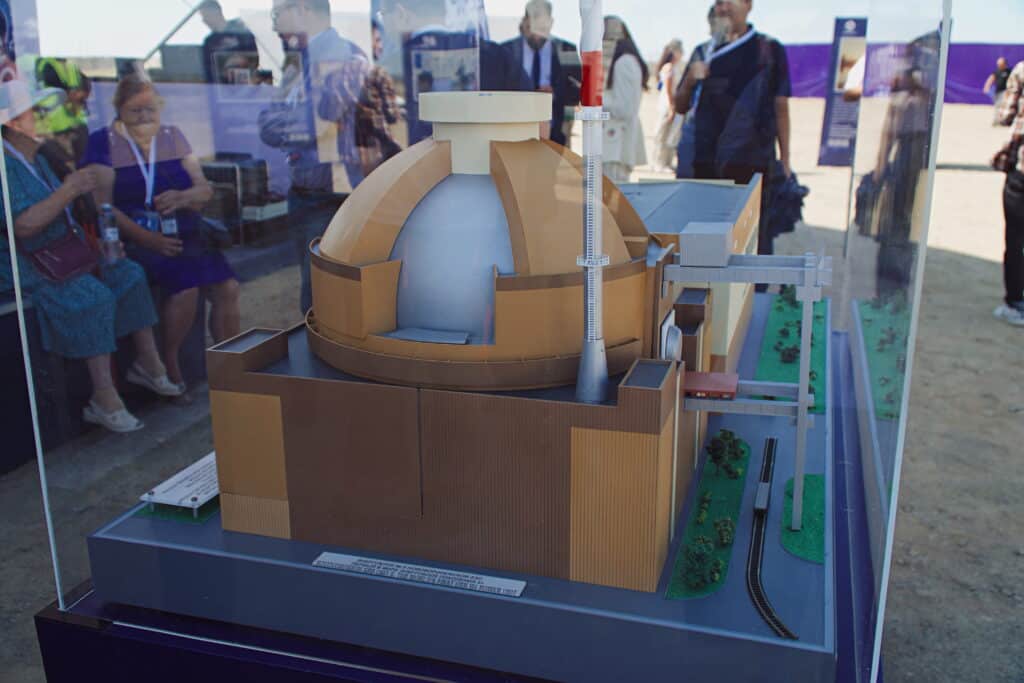
Kazakhstani companies could capture 30% of the estimated $15 billion construction cost of the country’s first nuclear power plant, or about $4.5 billion, through the supply of goods and services, Vassily Lavrenov, deputy head of Kazakhstan’s Agency for Atomic Energ, said in 2025.
Notably, companies owned by billionaires and millionaires featured on the Forbes list had expressed interest in supplying goods and services for the nuclear power plant project. They include Alageum Electric, owned by Saidulla Kozhabayev; Bazis-A Corp, owned by the Belovich family; and Qazaq Stroy, owned by Nurlan Artykbayev, among others.