Why bookie odds fail to predict the 2026 Nobel Prize in Literature

This year’s Nobel Prize in Literature laureate will be announced in a couple of hours. We will only find out exactly who nominated whom — and how many times — in 2077, when the Nobel Committee opens its nomination archives for 2026 after the mandatory 50-year waiting period.
Chinese writer Can Xue, Japanese author Haruki Murakami and Australian writer Gerald Murnane are among the favorites and likely contenders. However, our analysis — at least regarding the Peace Prize — shows that strong signals of a candidate’s chances, or even a lead in the number of nominations, do not guarantee that the Nobel Committee will award that person the prize.
Meanwhile, we combed through the now-available Literature Prize nomination archives from 1973 to 1975 — and uncovered the same plot twist: The most-nominated writer didn’t automatically take home the prize.
1973: Patrick White
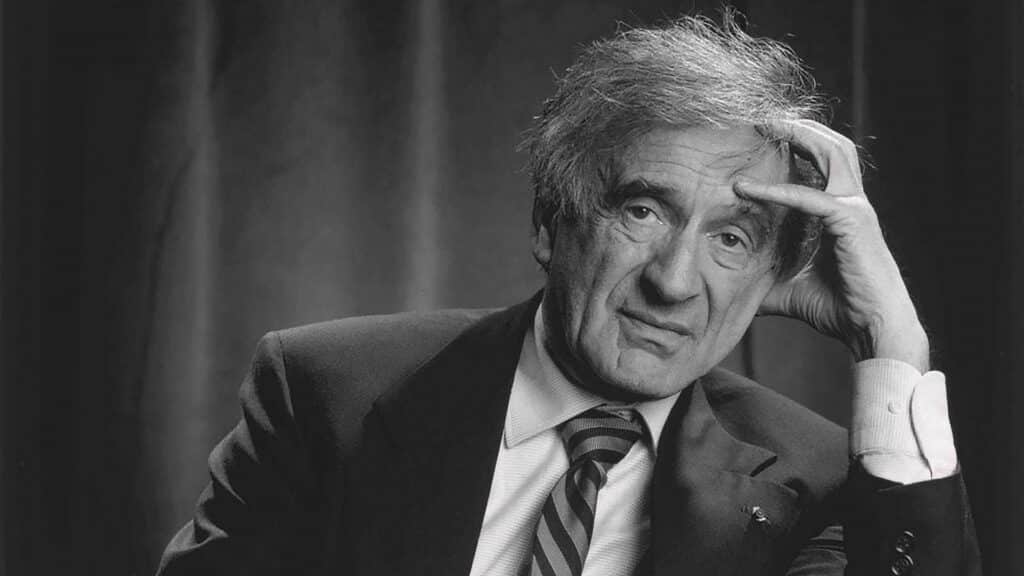
For three consecutive years, from 1973 to 1975, the overall leader in nominations was Elie Wiesel, the American-French writer, journalist, professor and public figure. He received 32 of 205 nominations in 1973, 17 of 188 in 1974 and 22 of 223 in 1975.
Yet Wiesel never received the Nobel Prize in Literature. Instead, he was awarded the Nobel Peace Prize in 1986.
In 1973, the Swedish Academy awarded the Nobel Prize in Literature to Australian writer Patrick White, who received six nominations, «for an epic and psychological narrative art which has introduced a new continent into literature.»
Other prominent nominees that year included W.H. Auden (12 nominations), André Malraux (eight) and Vladimir Nabokov (five).
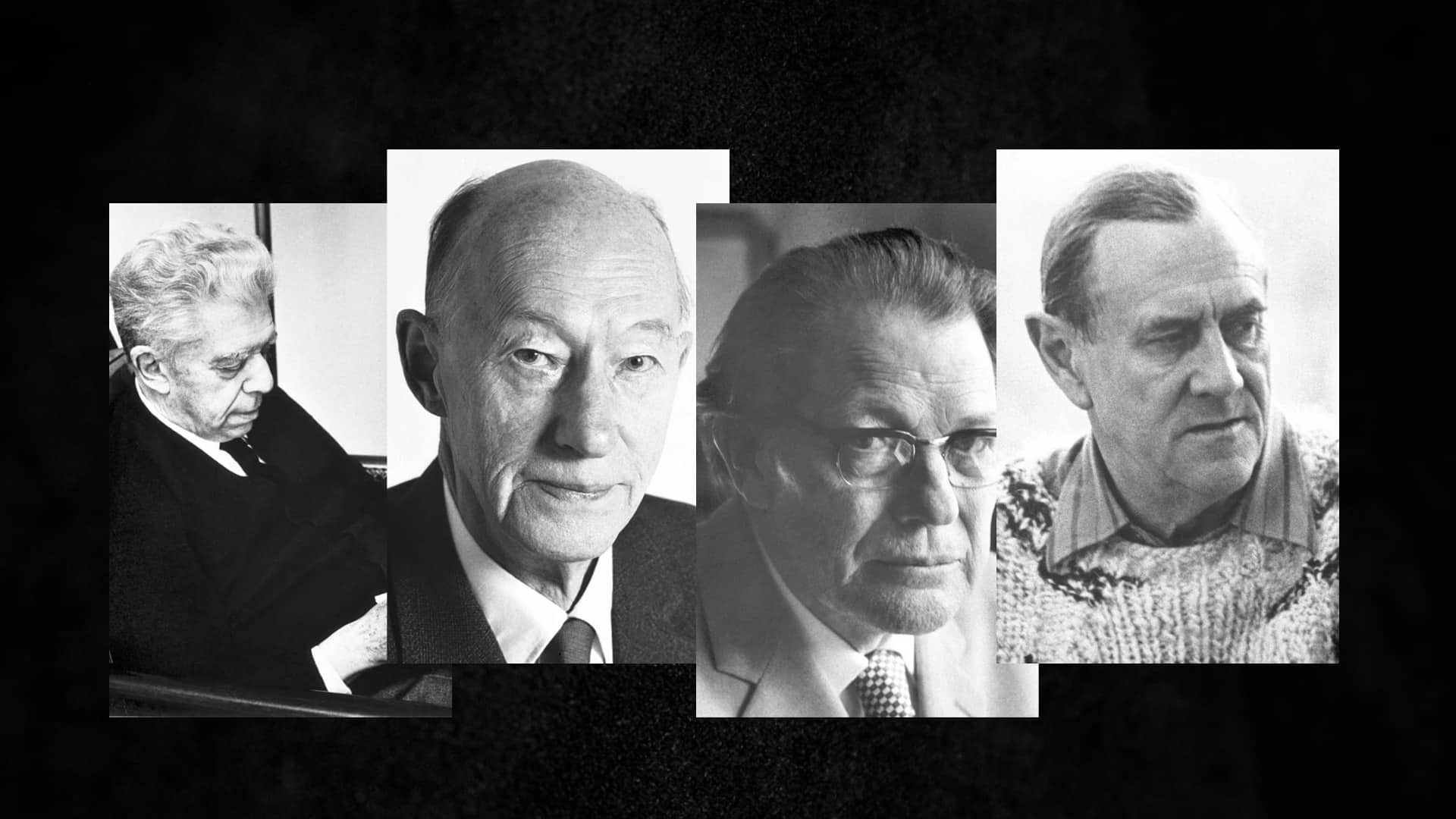
1974: Eyvind Johnson and Harry Martinson
In 1974, the Swedish Academy awarded the Nobel Prize in Literature jointly to Swedish writers Eyvind Johnson and Harry Martinson.
Johnson, who received five nominations, was recognized «for a narrative art, far-reaching in space and time, in the service of freedom,» while Martinson, who received two nominations, was honored «for writings that catch the dewdrop and reflect the cosmos.»
Other prominent nominees that year included André Malraux (10 nominations), Jorge Luis Borges (seven) and Graham Greene (five).
1975: Eugenio Montale
In 1975, the Nobel Prize in Literature went to Italian poet Eugenio Montale, who received two nominations. He was awarded the prize «for his distinctive poetry which, with great artistic sensitivity, has interpreted human values under the sign of an outlook on life with no illusions.»
Other prominent nominees that year included Wilson Harris (nine nominations), Vladimir Nabokov (eight) and Graham Greene (seven).
Ultimately, nomination counts can provide an interesting glimpse into the field of contenders — but they cannot tell us who the Swedish Academy will choose.