

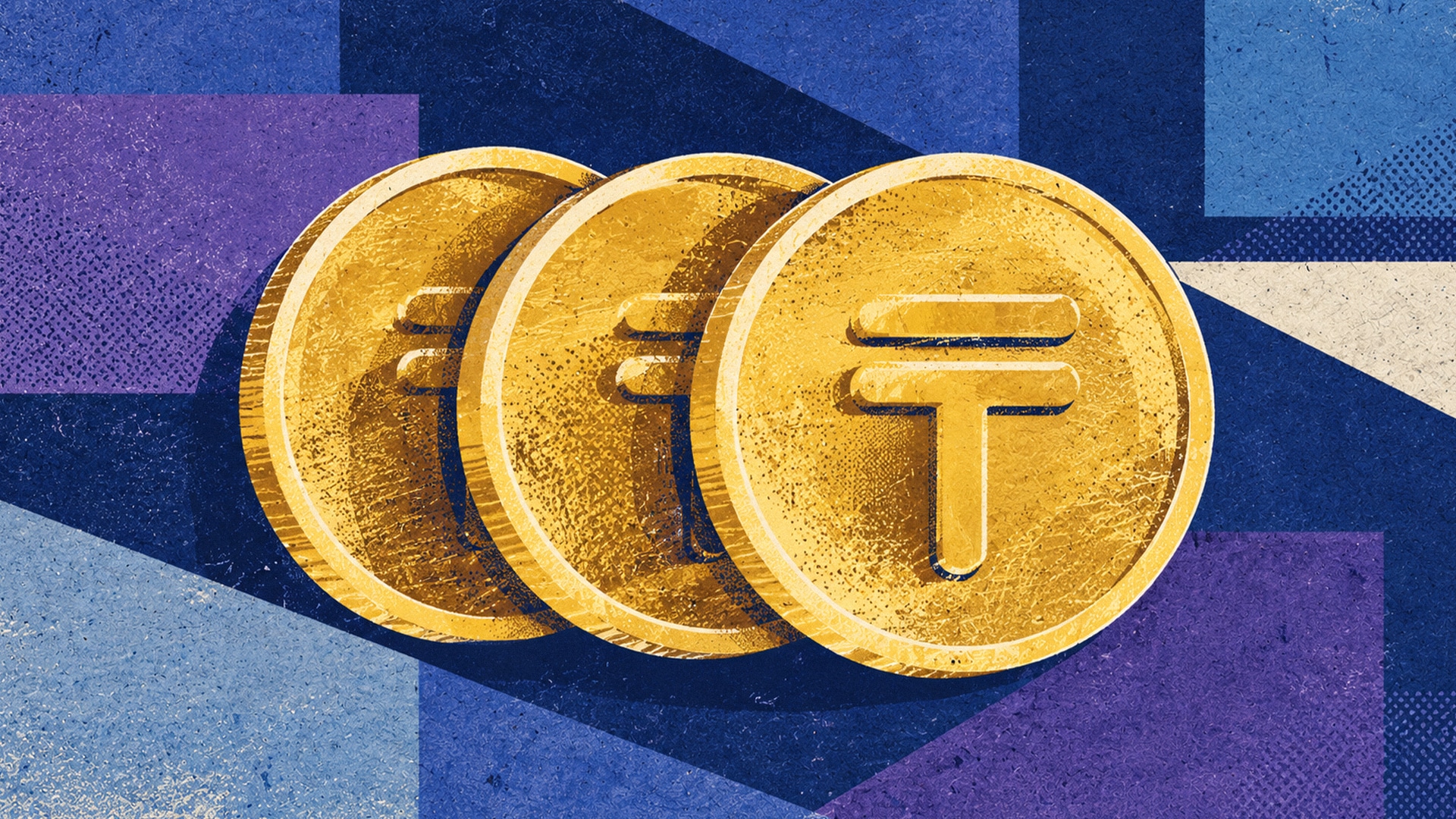
Tether, the issuer of USDT, the world’s most widely used stablecoin pegged to the U.S. dollar, has signed an agreement with the National Bank of Kazakhstan and the administration of the city of Alatau, Kazakhstan’s new flagship megaproject. The parties have agreed to explore the possibility of launching a stablecoin pegged to the Kazakh tenge, according to a company statement.
The agreement calls for the parties to study international experience with stablecoin issuance and identify potential use cases in Kazakhstan. A key area of focus will be developing a concept and pilot project for a stablecoin pegged to the national currency.
Read also: Kazakhstan to launch the region’s first dedicated crypto city.

Tokenizing real-world assets
Another area of cooperation will be tokenization — the process of representing ownership rights to real-world assets as digital tokens. The parties will identify priority asset categories, develop a tokenization model and plan to launch a pilot project in Alatau.
The Hadron by Tether platform, which is designed for asset tokenization, may be used for the project.
A stablecoin is a type of cryptocurrency designed to maintain a stable value by being pegged to a specific asset, such as the U.S. dollar. Unlike Bitcoin and other cryptocurrencies, stablecoins are intended to minimize price volatility by maintaining a relatively stable exchange rate.

Kursiv.media previously reported that plans are in place to tokenize the Iconic Tower complex, valued at up to $50 million, and the Birlik logistics center, valued at $10 million, in the new city of Alatau by the end of 2026.
Essentially, the idea is to represent ownership interests in these future properties as digital assets, potentially allowing developers to attract new investors.