Power of the pen: Why world leaders love renaming places and terms

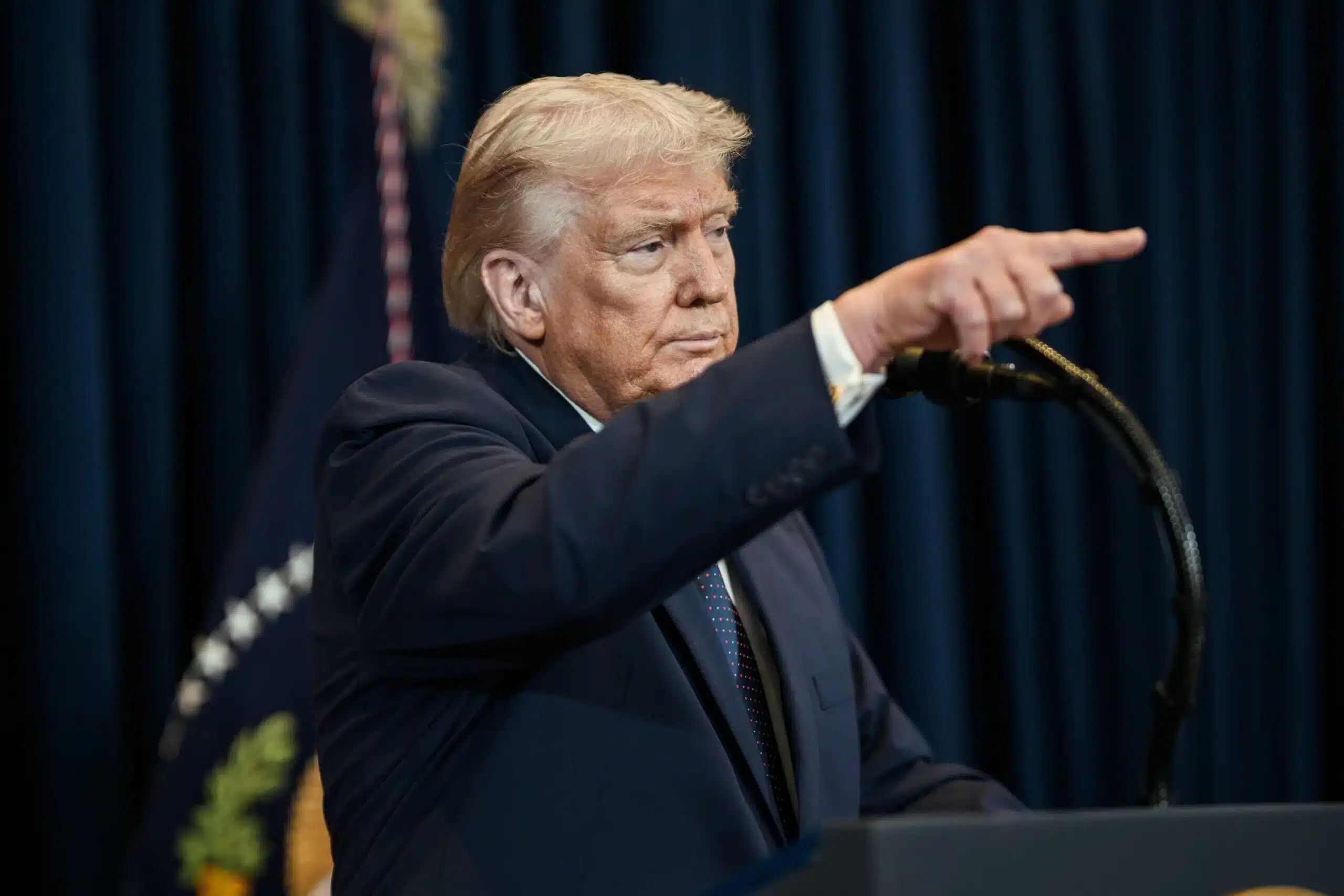
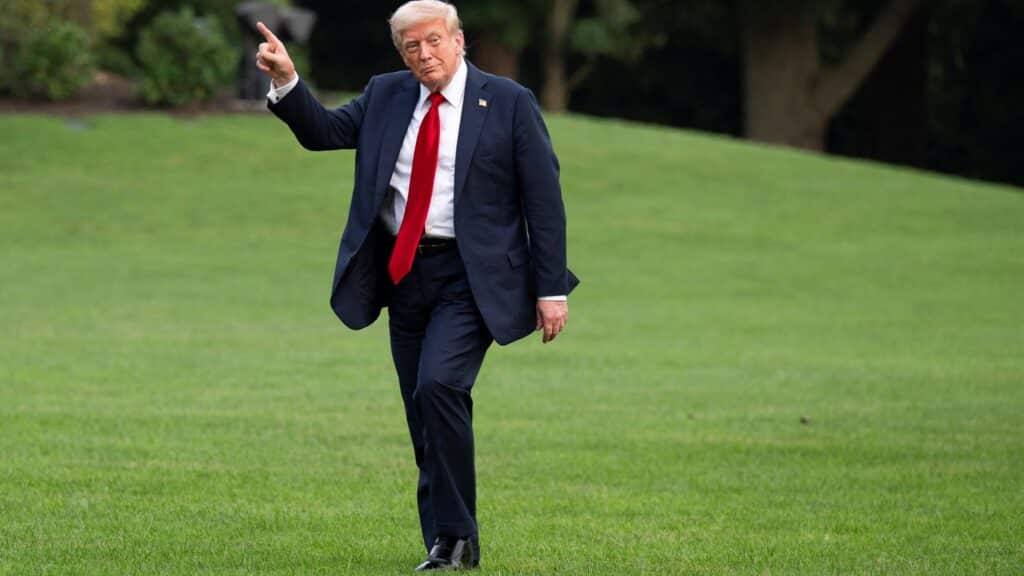
Donald Trump’s latest attempts to rename things are not isolated eccentricities of a single leader. A closer look at history reveals that such antics are hardly unusual — they are a favorite tactic in the arsenal of those in power. It’s just that, in Trump’s case, such renaming efforts happen far too often.
In a pivotal scene in the film «Digger,» set against the backdrop of an ecological catastrophe threatening the planet, Tom Cruise’s character does not hesitate to manipulate public opinion. Rather than calling things by their proper names, he seeks to control the narrative, declaring:
«Words do matter! Words are perception. And perception is reality.»
That is fiction. In real life, however, the U.S. president has embarked on a seemingly endless series of bizarre renaming efforts. At a rally in October 2026, Trump floated the idea of renaming either the Atlantic or Pacific Ocean the «Trump Ocean» or the «Ocean of the Americas.»
He had already taken steps to rename other geographical features. In January 2025, he ordered federal agencies to use «Gulf of America» instead of «Gulf of Mexico.» In August 2026, he signed an executive order directing the renaming of Lake Ontario to «Lake America» for U.S. federal purposes. The order does not, however, compel Canada or international organizations to adopt the new name.
Read also: On Trump’s mental fitness and his bizarre fixations in recent public conduct.
The historical logic behind renaming
These examples bring to mind the arguments of French social psychologist Gustave Le Bon, who explored the power of language in his seminal work, «The Crowd: A Study of the Popular Mind,» first published in French in 1895.
Le Bon argued that words have no fixed, lasting meanings: their significance changes across eras and societies. Anyone seeking to influence a crowd through language, he maintained, must understand what particular words mean to that crowd at a given moment, rather than relying on their historical definitions or the interpretations of people with different mindsets.
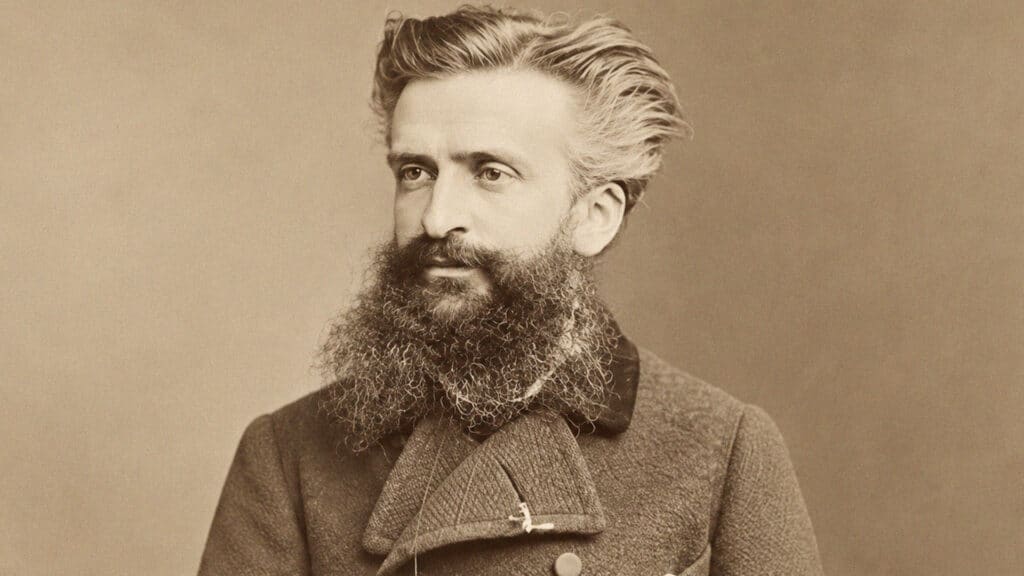
He further argued that when political upheaval or shifts in public beliefs cause crowds to develop a deep aversion to the ideas associated with certain words, a statesman’s first task is to replace those words without necessarily changing the underlying institutions or realities.
Le Bon cited Alexis de Tocqueville’s observation that much of the work of France’s Consulate and Empire consisted of giving old institutions new names. Terms that evoked unpleasant associations were replaced with less familiar, more neutral ones, making the underlying practices more palatable.
The art of making the unacceptable acceptable
According to Le Bon, statesmen should give popular — or at least neutral — names to things that crowds find intolerable under their existing labels.
«One of the most essential functions of statesmen consists, then, in baptizing with popular or, at any rate, indifferent words things the crowd cannot endure under their old names. The power of words is so great that it suffices to designate in well-chosen terms the most odious things to make them acceptable to crowds,» he argued.
Le Bon also cited historian Hippolyte Taine, who observed that the Jacobins had invoked the popular ideals of liberty and fraternity to establish a despotic regime, create a tribunal resembling the Inquisition and carry out mass killings on a scale comparable to the atrocities of ancient Mexico. For Le Bon, the lesson was clear: the art of governing, much like the art of advocacy, rests largely on the skillful use of language.
What changes when the name changes?
What, then, has actually changed when, for instance, artificial intelligence comes to be described as «superintelligence»? Nothing — except that the person who initiated the rebranding may be pleased to see the new term associated with their name.