Freedom Life chairman on AI, digital insurance and long-term planning

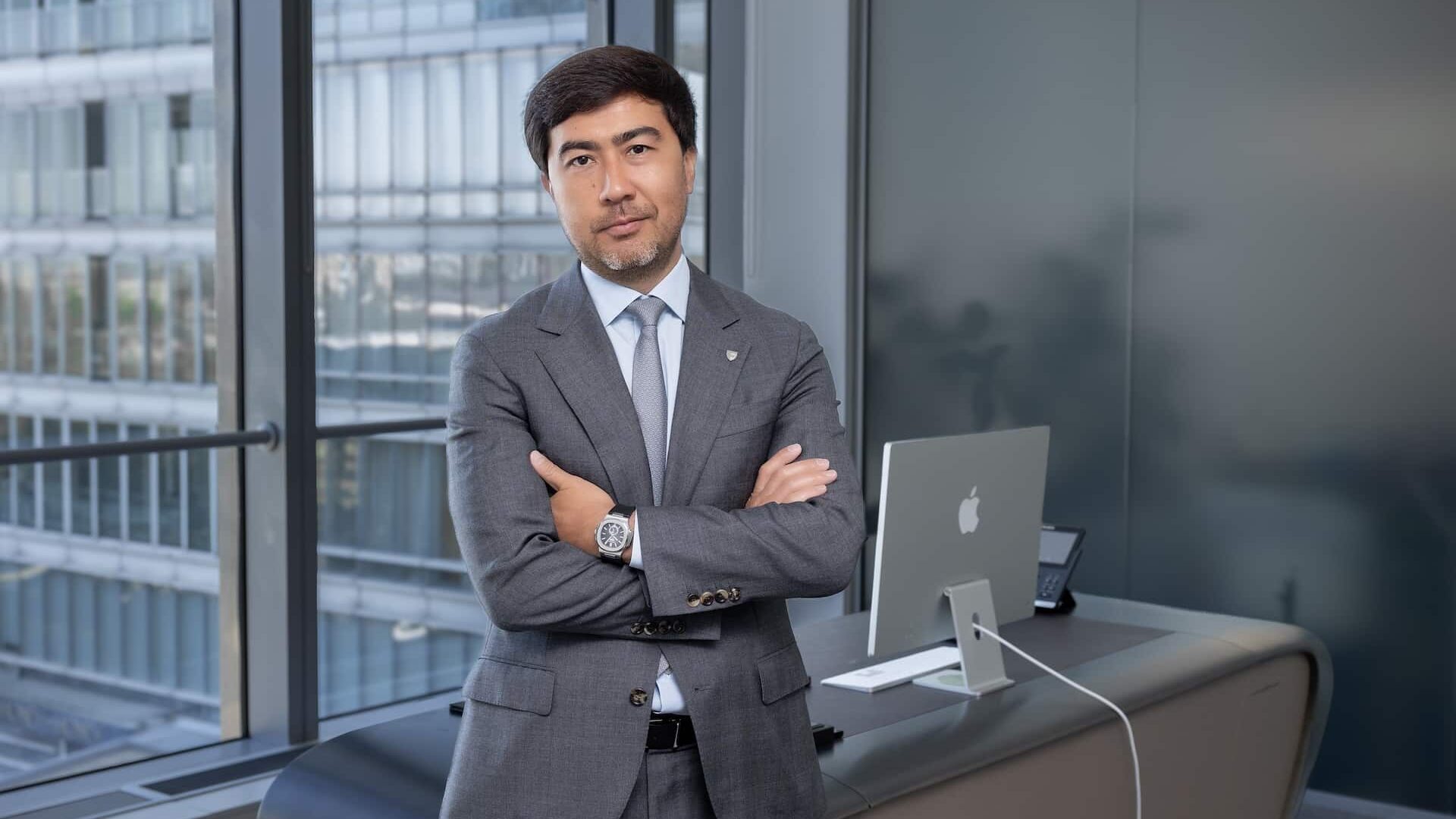
How does insurance help families save for a child’s education, prepare for retirement and maintain financial stability in the face of unforeseen circumstances? In an interview with FRHC Spotlight, JSC «LIC “Freedom Life» Chairman Azamat Yerdesov discusses the company’s role within the Freedom ecosystem, digital services and the responsibility that comes with running a business that makes commitments spanning decades.
— What role does the life insurance business line play in Freedom’s ecosystem today? What does life insurance add to banking and investment services?
— The ecosystem allows individuals to address various needs as their lives evolve. Initially, a person uses banking services – the foundation of everyday finances. Later, as new goals emerge, they begin to invest. Life insurance complements these tools when it comes to long-term planning and financial protection.
For instance, consider someone who has a child. It becomes important not only to save for that child’s education but also to ensure the goal is met, even if something were to happen to the parent.
This is where life insurance comes in. We help link today’s financial decisions to the future a person wishes to create for themselves and their family. Our products enable clients to plan for that future while also securing financial protection against circumstances that could derail those plans.
Individually, banking, investment and insurance products serve different purposes. Together, they allow the ecosystem to build relationships with clients that span decades.
— The company was a pioneer in digital insurance products. Was there a time when you continued to invest in new solutions, even though the market wasn’t yet ready for them?
— We saw immense potential in online insurance from the very beginning, even while the market was still adapting to the concept. The pandemic significantly accelerated this process. When standard client interactions became restricted, companies had to enable people to purchase insurance coverage remotely. That is how the first online product emerged. Then another one. Gradually, more complex solutions – including savings plans and pension annuities – also began shifting to a digital format.
This experience showed us how much depends on the amount of effort required from the client. A person might understand the benefits of insurance but put off the decision if purchasing a product involves visiting an office, gathering documents and navigating a complicated procedure. When the entire process is streamlined into a few actions on
a smartphone, moving from intention to purchase becomes much easier. That is why, for us, digitalization is directly linked to the accessibility of insurance.
At the same time, the main challenge lay not so much in the technology itself as in changing customer habits. There is a well-known principle in the insurance industry: «Insurance isn’t bought, it is sold.» People are used to having a manager or an agent who tells them about a product, explains its value and helps make a decision. In a digital environment, this has to be built differently. Therefore, for us, investing in online channels isn’t just about moving existing products to a smartphone – it’s about creating an entirely new customer journey.
— Many Freedom’s life insurance products are integrated into ecosystem services, ranging from digital sales channels to partner platforms. What advantages does this integration offer compared to a traditional insurance company?
— Integration allows us to offer an insurance product at the exact moment a person has a relevant need – for example, when they are planning a trip or opening a bank card for their child. For a traditional insurance company, the path to that client would be long. First, they would need to reach them through advertising or other channels, generate interest in the product and only then guide them through the purchase process.
Within an ecosystem, that journey becomes much shorter. An insurance solution can be embedded directly into the specific scenario where it is truly relevant. For instance, travel insurance is offered when the client is purchasing an airline ticket, a savings plan when a person considers their child’s financial future and opens a card for them, and a pension annuity when the client reaches a certain age. We initially developed this approach through partnerships with various online services, and today it is actively evolving within the Freedom ecosystem itself.
For the company, this also means a shared technological infrastructure, unified digital channels and the ability to build consistent customer interactions. Several of our products are already available on the Freedom SuperApp, each addressing a specific life need. The ecosystem allows us to link these products to specific scenarios and individual needs seamlessly.
— To what extent does JSC «LIC “Freedom Life» rely on the Freedom ecosystem? How many customers come through the bank and the SuperApp, and what proportion comes independently?
— The Freedom SuperApp gives us access to a large audience already using the ecosystem’s products and allows us to significantly shorten the journey from identifying a need to purchasing insurance. It is a key channel for us, and we are actively integrating our solutions into it.
However, we don’t build our business solely around the ecosystem; we continue to develop our own customer acquisition channels. This creates a mutually beneficial ecosystem effect: The ecosystem drives new customers to our products, while Freedom Life JSC, in turn, directs its own audience to other services. Therefore, the ecosystem’s value cannot be measured solely by sales volume through a single channel. What matters more is the ability to build long-term relationships with customers and consistently offer them a variety of solutions.
— According to data from the ARDFM, as of Sept. 1, the life insurance market grew by 43%, generating 963 billion tenge in premiums. Where does Freedom’s insurance business stand in the market today in terms of insurance premiums, assets, customer base and profitability?
— As of today, our company ranks among the largest life insurance companies in Kazakhstan. We hold third place in the market by volume of insurance premiums and payouts. We have a market share of over 19% and a customer base exceeding 2.6 million people. Our insurance premiums total 184 billion tenge, while payouts to clients amount to approximately 38.8 billion tenge. For us, payouts are a crucial part of the picture; they represent the obligations the company has fulfilled to individuals and their families.
— What products are currently the main growth drivers for Freedom’s insurance business?
— Pension annuities remain our primary growth driver, accounting for the largest share of our insurance portfolio. Consequently, a significant portion of our initiatives focuses on this specific product.
We have already integrated pension annuities into the Freedom SuperApp and fully digitized processes that previously required paperwork. The next step is the launch of a referral program that will allow users to recommend the product to others. This is a key area for us, as a pension annuity enables individuals to start receiving payouts before the standard retirement age, while digitalization makes this instrument significantly more accessible.
Another promising segment is voluntary educational savings insurance within the framework of the national educational savings system (GONS). This is one of the fastest-growing segments of the life insurance market. Our product – Freedom Keleshek – allows parents to simultaneously build up savings for their child’s education and secure insurance coverage. In addition to investment returns from the company, the client can receive an annual state bonus and, if certain conditions are met, initial educational capital.
We also see great potential in unit-linked products. In our company, this area is represented by the Freedom Qazyna program, which combines life insurance with investment opportunities. Given the holding company’s investment expertise, this is a particularly natural fit for Freedom.
Overall, we see growth in products that address specific long-term personal financial goals; our objective is therefore to make these solutions as clear, accessible and convenient as possible in a digital format.
Click here to read the full interview.