
Media outlets double in Kazakhstan, but audiences turn to social media



The number of registered media outlets in Kazakhstan has grown from 2,900 to more than 5,400 over the past decade, while nearly 40% of the population now gets news through social media and messaging apps.
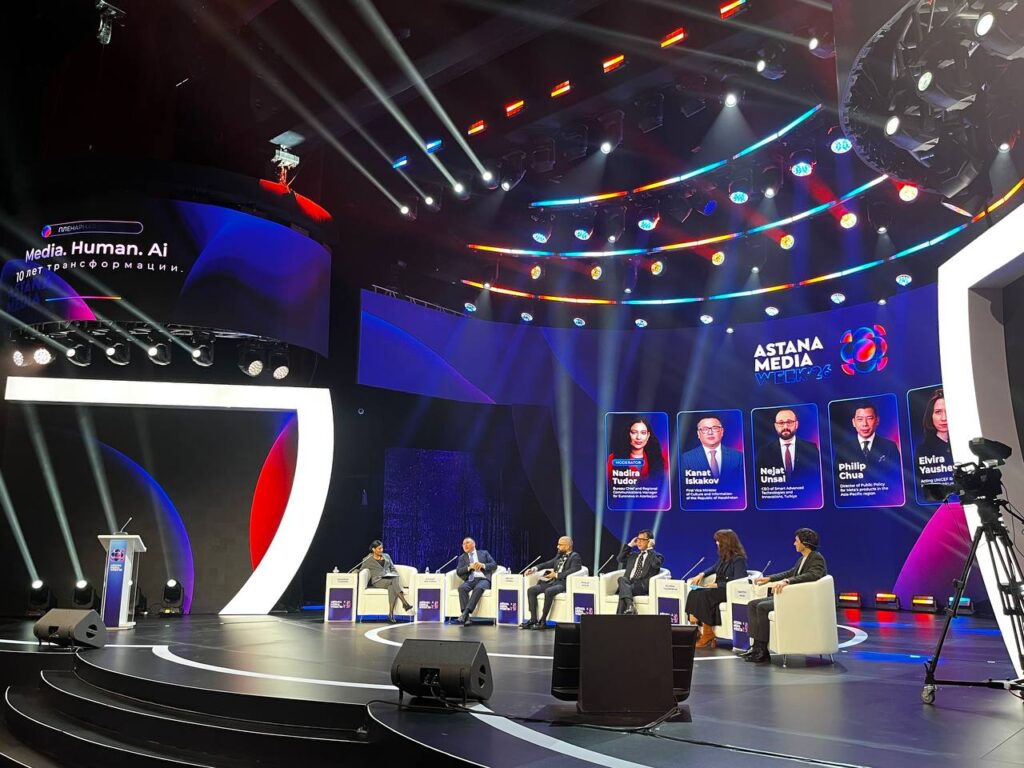
Kanat Iskakov, first vice minister of culture and information, shared the figures during a panel discussion at Astana Media Week, held on Oct. 14-16.
How news consumption has changed
According to Iskakov, 10 years ago, 73% of Kazakhstan’s population used the internet, while television was the primary source of news. Today, internet access has reached 93.4%.
News consumption habits have also changed. Some 39.1% of Kazakhstanis now get news through social media and messaging apps — a larger share than those who rely primarily on news websites or television, according to the figures presented at the forum.
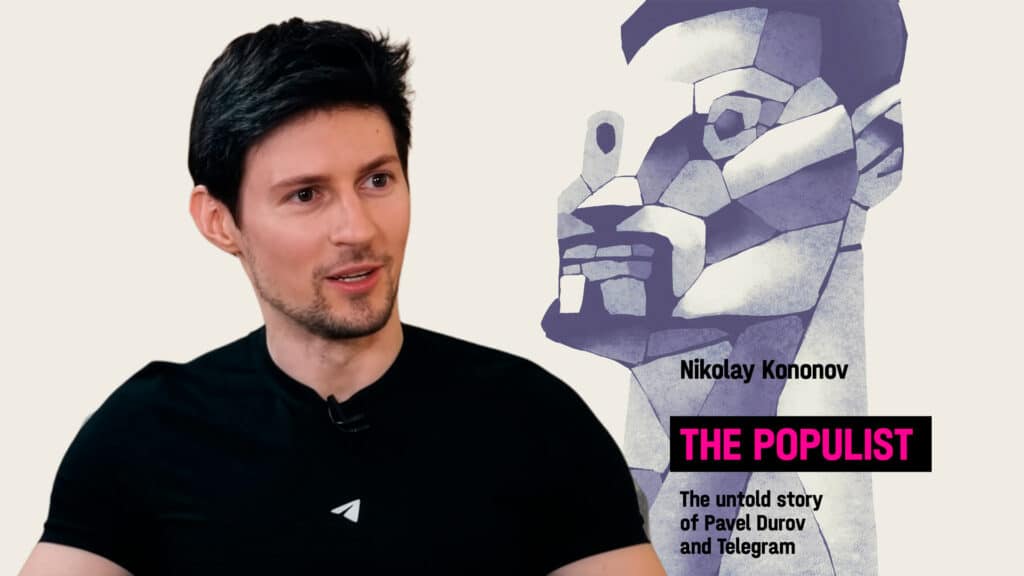
Read also: Code, power, and exile: The untold story of Pavel Durov and Telegram.
Bloggers compete with newsrooms
Iskakov said Telegram channels had evolved into full-fledged media outlets, while bloggers and influencers increasingly competed with traditional newsrooms. In some cases, they also set the news agenda and shape public opinion.
«In just 10 years, we have transitioned from a traditional media system to a multichannel digital environment. Today, newsrooms, bloggers and digital platforms are all vying for the audience’s attention,» Iskakov said.
More people turn to AI chatbots for news
Artificial intelligence is driving another phase of change in the media landscape, Iskakov said. Readers are increasingly turning to chatbots to find news, get summaries of events and seek explanations of current affairs.
He cited international research indicating that the share of people worldwide who use AI chatbots for news at least once a week rose from 7% to 10% over the past year.
Read also: Clicks vs. cash: What readers really value in their news.
Media formats are converging
Speaking on the sidelines of the forum, Iskakov said the boundaries between traditional media formats were becoming less distinct. Television, online publications and newspapers, once operating through separate channels, are increasingly converging within a unified digital environment.
Television networks are developing streaming services, while online outlets are expanding into video, producing segments and interviews for digital audiences.
«Previously, changes took years or even decades; now, they happen every single day,» Iskakov said.
The first Astana Media Week was held in October 2017. The 2026 event marked the forum’s 10th edition.
Notably, the vice minister has also called for clearer labeling of content created with artificial intelligence, saying audiences should be informed when AI has been used to produce material.
