



A new assessment published in The Lancet has identified 17 major threats to human health and survival between 2025 and 2100. Two of them — the malicious use of artificial intelligence (AI) and nuclear conflict — carry the potential to cause human extinction.
The assessment was conducted by the Lancet Commission on 21st Century Global Threats to Health. Rather than focusing solely on individual diseases, the researchers examined a broad range of interconnected risks, from climate change and air pollution to military conflict, economic inequality and the dangerous use of emerging technologies.
The commission evaluated hundreds of potential threats and identified 17 that pose the greatest risks to global health and human survival over the next 75 years. The researchers assessed their potential impact using projections of the healthy years of life that could be lost by 2100.
Read also: Why a 1979 Soviet nuclear blast left Donbas unafraid of new threats.
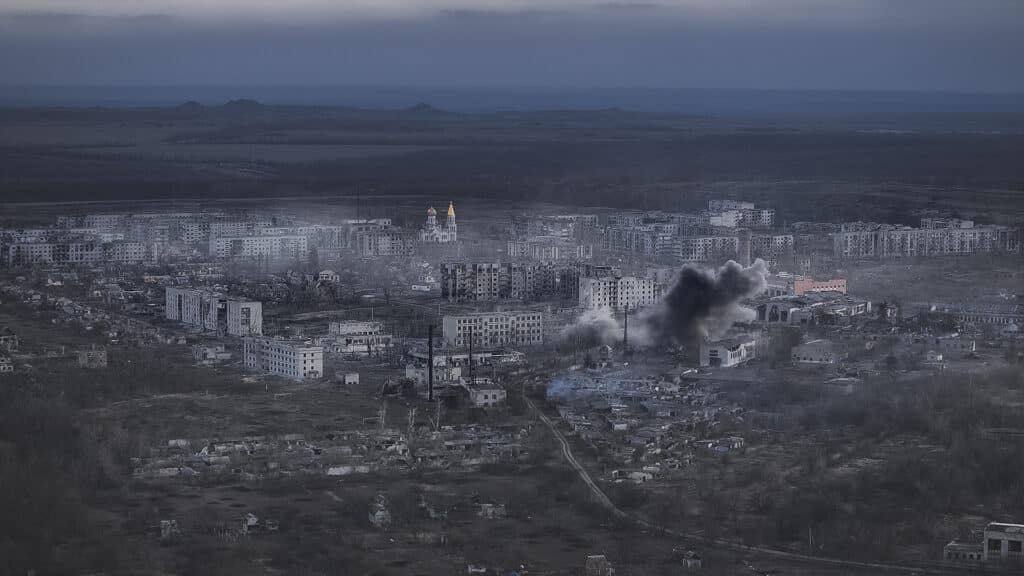
Two threats could lead to human extinction
The commission identified the malicious use of AI and nuclear conflict as threats with the potential to cause human extinction. Although the likelihood of such outcomes remains low, their consequences could be catastrophic.
Potential dangers associated with AI include the development of biological weapons and other malicious applications. A large-scale nuclear conflict could also trigger a global famine by disrupting food production and blocking sunlight.
The other 15 threats were classified as major catastrophic risks to global health.
Read also: Smog particles detected in blood of Almaty residents after brief city walks.

The 15 other major health threats
The commission identified the following risks:
- Air pollution
- Antimicrobial resistance
- Childhood malnutrition
- Climate change
- Conventional military conflict
- Declining development assistance for health
- High alcohol consumption
- High blood pressure
- Income inequality
- Low educational attainment
- Naturally occurring pandemics
- Obesity
- Poor mental health
- Smoking
- Unhealthy aging
Why the threats must be addressed together
The researchers emphasized that the threats are interconnected and should not be tackled in isolation. They recommended strengthening health systems so they can respond to crises, investing in breakthrough medical and climate technologies, and regularly monitoring emerging risks.
The commission also stressed that these outcomes are not inevitable. Coordinated action by governments, international organizations and the private sector could reduce the risks and prevent substantial losses of healthy life over the coming decades.
