


People consider belly fat extremely harmful, and many strive to get rid of it as much as possible. However, not all fatty tissue is useless.
In a Threads post, a pathologist explained why the greater omentum is called the body’s internal shield.
What can the greater omentum protect you from?
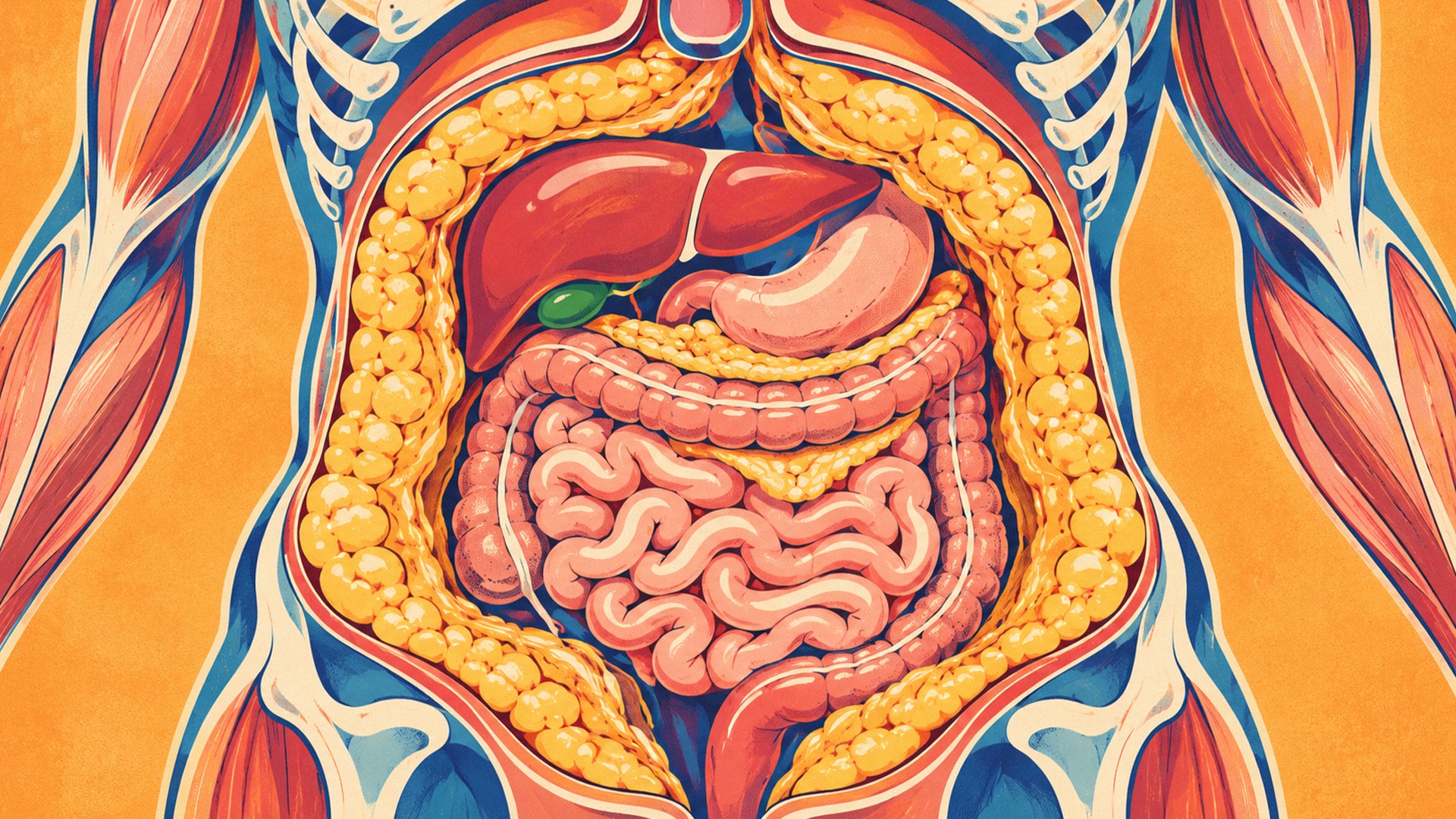
The greater omentum is a large apron-like fold of visceral peritoneum that hangs down from the stomach and partially covers the intestines.
Beyond storing energy, it supports immune defense: the immune cells it contains help recognize and limit the spread of inflammation.
«It’s a huge apron of fat that hangs inside your belly, and it’s not just a storehouse of fat. It has billions of immune cells, it travels through the abdominal cavity, and at autopsy, we always see where it tried to save you. This is a real superhero,» the doctor explained.
One important feature of the omentum is its ability to move toward inflammation and adhere to damaged organs.
«If your appendix is inflamed or an ulcer has perforated, the omentum will literally crawl there and ‘seal’ the hole to save you from peritonitis,» he noted.
Excessive fat still poses health risks
Although the omentum can protect the body in certain situations, excessive belly fat isn’t harmless. So, it’s not a good idea to ignore weight management by justifying it with the protective functions of the omentum.
Excessive abdominal fat, especially around internal organs, increases the risk of metabolic disorders and cardiovascular disease. It is also associated with a higher risk of insulin resistance, type 2 diabetes, hypertension and fatty liver disease.
From this perspective, the greater omentum’s ability to protect internal organs is simply an interesting anatomical feature, not a reason to disregard the health risks associated with excess abdominal fat.
