
What Thucydides tells us about Brazil’s exiled leader

Defying a Supreme Court travel ban and leaving a trail of annulled passports across three borders, Brazilian Senator Flávio Bolsonaro has transformed a narrow electoral defeat into a high-stakes international standoff by fleeing to Miami. Following the Oct. 25 runoff election, in which incumbent President Luiz Inácio Lula da Silva secured victory with 51.79% of the vote against Flávio’s 48.21%, the senator rejected the outcome, alleging widespread electoral fraud.
Although international observers, Brazilian electoral authorities and even his own Liberal Party acknowledged the defeat, Flávio fled Brazil with his family, traveling through Argentina and Ecuador before arriving in Florida. From exile, he issued a manifesto on X declaring himself the «leader of Brazil» and pledging to wage an overseas campaign to prevent Lula from establishing a dictatorial regime.
U.S. sanctuary and Washington’s stance
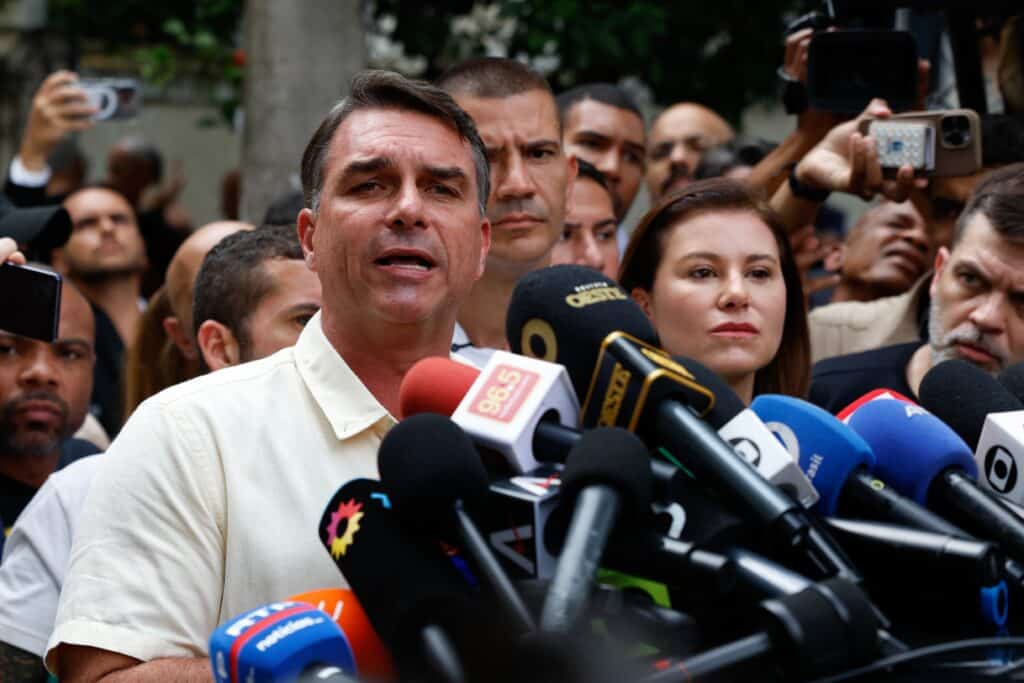
Washington’s initial response suggests clear backing for the exiled senator. Despite the Brazilian Supreme Court’s order barring Flávio from leaving the country amid ongoing investigations into money laundering and illegal campaign financing, U.S. President Donald Trump publicly welcomed his arrival, while the State Department signaled its intention to provide entry visas.
In his public statements, Flávio expressed explicit gratitude to Trump and Argentine President Javier Milei for providing safe harbor. By granting refuge to a high-profile politician facing criminal charges and actively challenging the constitutional authority of a neighboring sovereign state, the U.S. has signaled a willingness to shield Bolsonaro’s political faction, setting the stage for diplomatic friction with Brasília.
The Thucydidean parallel: Alcibiades and exile diplomacy
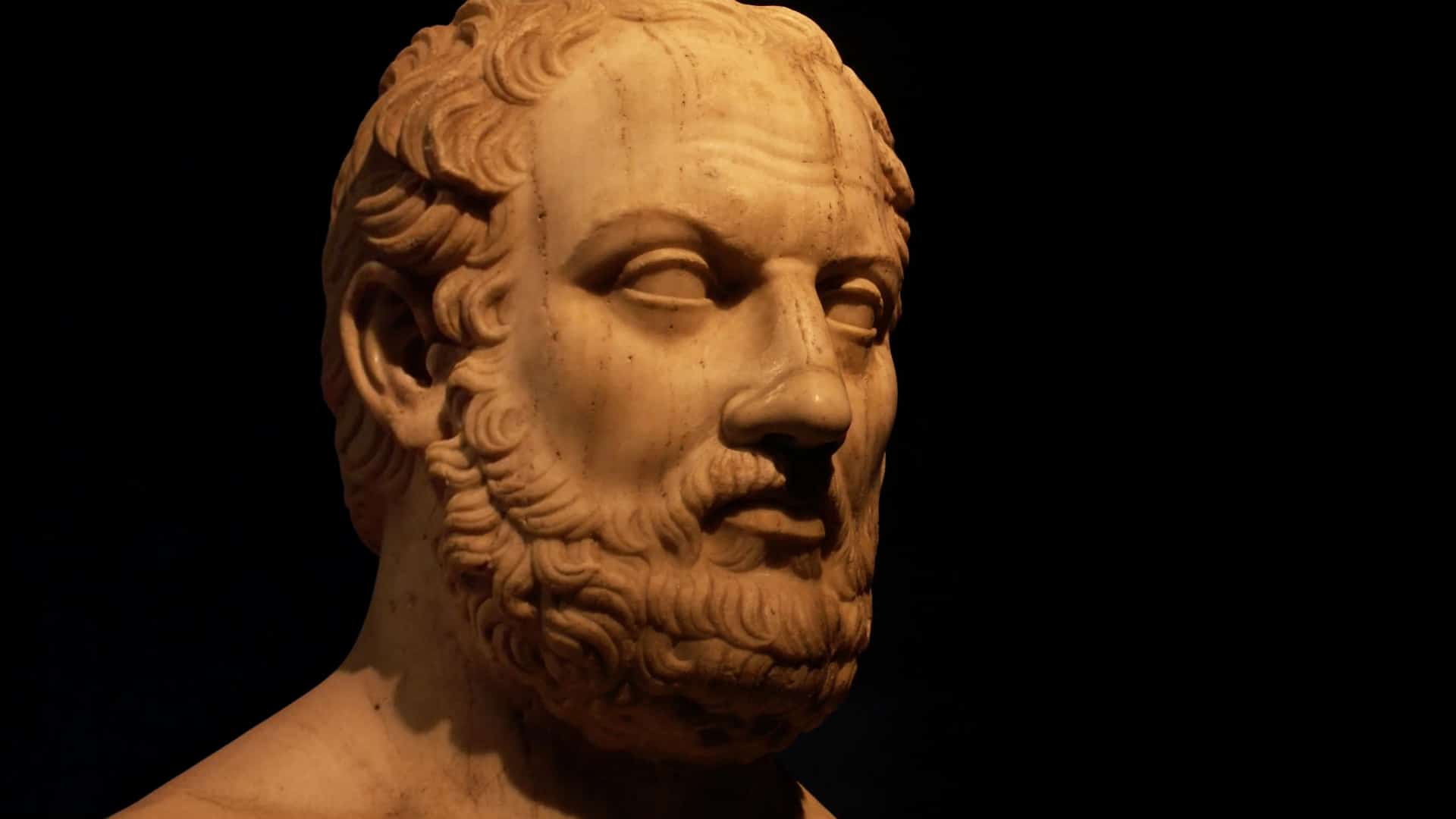
Flávio’s flight abroad to challenge his home government echoes one of the enduring political dynamics of classical antiquity: the exile maneuvers chronicled in Thucydides’ «History of the Peloponnesian War.»
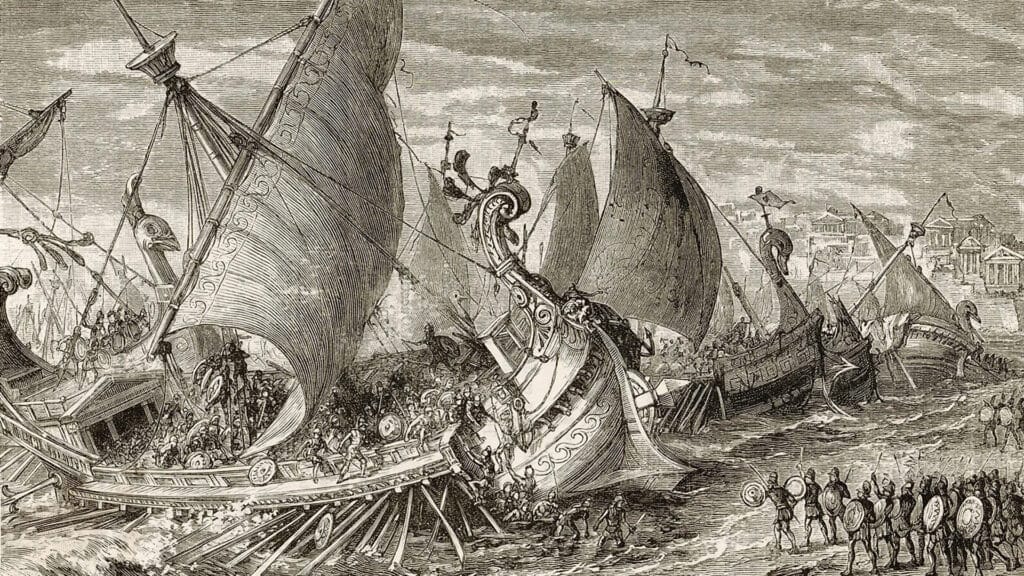
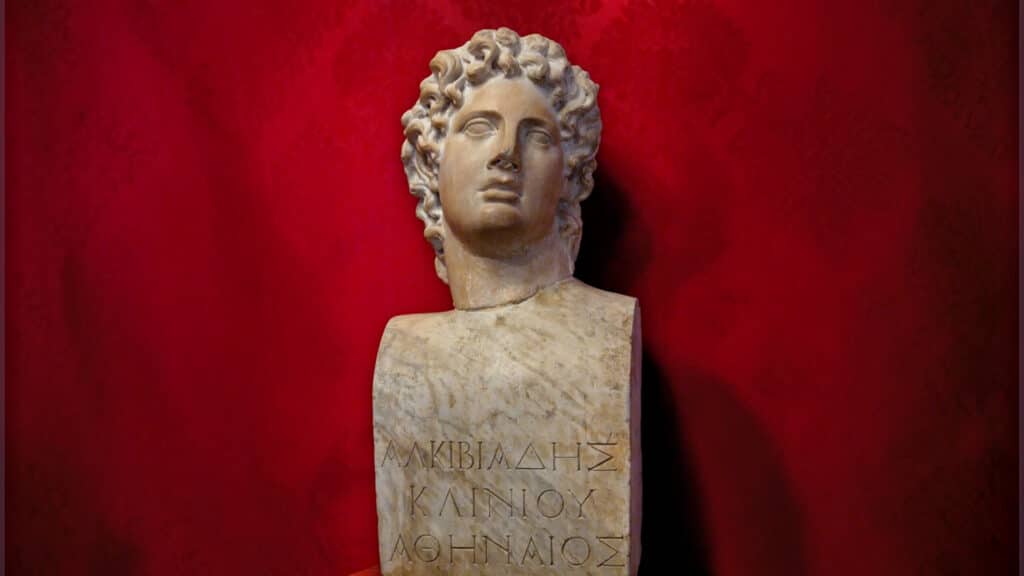
In Book 6, when the charismatic Athenian general Alcibiades faced serious legal accusations from political rivals at home, he fled to Sparta and later sought the support of the Persian satrap Tissaphernes. From exile, Alcibiades actively undermined Athens, advising foreign powers on how to exploit its domestic vulnerabilities while portraying his political struggle as a fight to reclaim his homeland.
Thucydides observed how internal factionalism (stasis) could compel defeated political leaders to seek foreign patrons, cloaking personal survival and partisan ambition in the rhetoric of «liberation.» Just as ancient Greek city-states became battlegrounds where exiles invited external powers to intervene in domestic disputes, Flávio’s flight transforms Brazil’s internal political divide into a broader geopolitical contest, inviting foreign interference in national governance.
Possible development scenarios
Viewed through the analytical lens of Thucydidean realpolitik, events could unfold along three primary paths:
1. Remote opposition and proxy destabilization (the Alcibiades model): Operating from U.S. soil, Flávio could build a permanent shadow opposition, leveraging conservative political networks across the Americas to challenge Lula’s legitimacy, coordinate legislative opposition in Brasília and lobby for international sanctions against Brazilian officials.
2. Strategic detachment and diplomatic realpolitik (the Tissaphernes model): As Washington weighs its broader geopolitical and economic interests in Latin America’s largest economy, U.S. enthusiasm for Flávio could wane. Much like Tissaphernes, who sought to maintain a delicate balance by weakening rival Greek powers without fully empowering either, the U.S. might eventually treat Flávio as a bargaining chip, prioritizing stable state-to-state relations with Lula’s administration.
3. Extradition impasse and domestic consolidation: A prolonged U.S. refusal to extradite Flávio would deepen ideological polarization in Brazil. While fueling populist grievances among Bolsonaro’s supporters, it could also allow Lula to rally nationalist sentiment against perceived foreign interference, consolidating domestic institutions in opposition to a foreign-backed challenge.
