
Kazakhstan’s manufacturing downturn eases in October


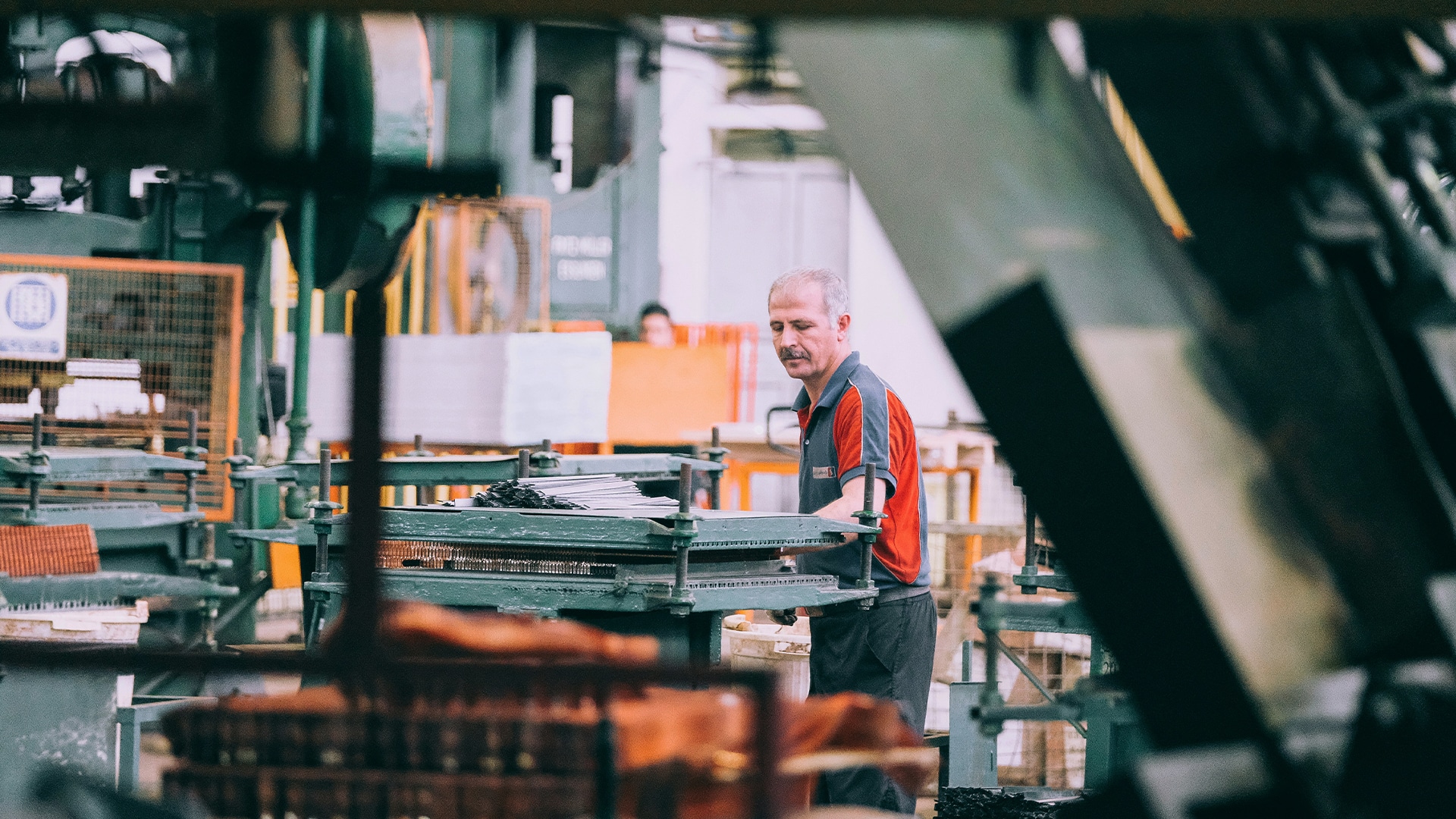
In October, Kazakhstan’s manufacturing sector showed initial signs of recovery following 10 months of decline. The Purchasing Managers’ Index (PMI) from Freedom Holding Corp. rose to 49.4, up from 46.4 in September. While the figure remains below the 50.0 threshold — which separates expansion from contraction — the deterioration in operating conditions was the mildest since January, when the current downturn began.
A month earlier, manufacturers had reported the sharpest drop in new orders in four years.
Orders nearly stabilize
New orders declined only marginally at the start of the fourth quarter. This marked the smallest decrease in the past six months, during which the indicator has remained in negative territory. Survey respondents continue to report fewer customer requests, but also point to early signs of a revival in demand.
Production volumes also declined more slowly than in September. While firms continue to cut output due to weak demand, some have limited these reductions by upgrading equipment.
Employment levels have also moved closer to stabilization. Some companies continued to downsize their workforces, while others staffed previously vacant positions.
Underutilized capacity
Despite these improvements, production capacity remains underutilized. Backlogs of work and stocks of finished goods both declined significantly, though in both cases, the rate of contraction was the slowest in six months.
Businesses have been less eager to purchase for five consecutive months, with a sharp decline in October. Stocks of raw materials also continue to shrink, as most supplies are used in production shortly after delivery.
Meanwhile, supplier delivery times have lengthened more than in two years. Respondents attribute this to customs delays at the borders with China and Russia.
Rising costs, higher prices
Manufacturers’ input costs continue to climb significantly, with the rate of increase remaining in line with the third-quarter average. Companies point to higher prices for energy and petroleum products. In response, they have raised their selling prices. While the pace of these increases has accelerated since September, it remains relatively moderate.
Little room for optimism
Business expectations have deteriorated. Confidence in production growth over the next 12 months has declined since September, reaching one of its lowest levels since the onset of the coronavirus pandemic. Manufacturers attribute this to uncertainty stemming from a demanding economic environment. Those who remain optimistic are banking on a resurgence in new orders.
According to Saltanat Mukhambetaliyeva, head of economic research and analytics at Freedom Holding Operations, October’s results present grounds for cautious optimism, mainly because the downturn is easing among larger producers.
«However, improving sentiment in some segments is still running ahead of a recovery in demand. In chemicals and basic metals, rising expectations for the year ahead coincide with declining orders, while shrinking raw material stocks leave production more vulnerable to delays in deliveries of raw materials and components,» she said.
In the food and beverage industry, competition from imported finished goods amid a strong tenge may pose an additional constraint.
«Given the combination of factors at play, the sector’s future performance will depend not only on an increase in new orders, but also on firms’ ability to maintain profit margins amid adverse domestic and external conditions,» the expert said.
The PMI is calculated based on a survey of manufacturers. A reading above 50 indicates improving operating conditions, while a reading below 50 indicates deterioration.
