


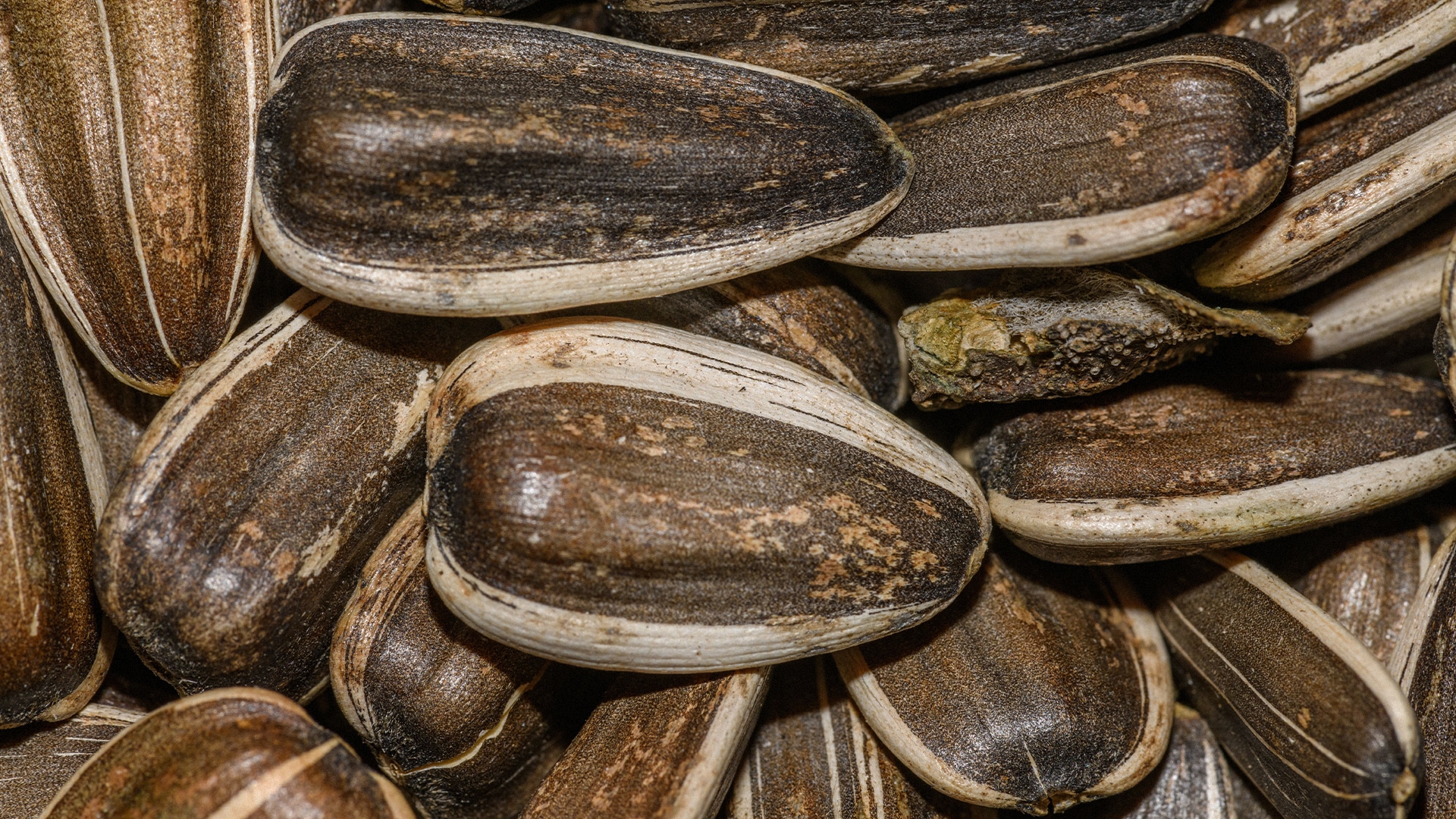
Kazakh companies could increase exports of sunflower husk pellets to Polish combined heat and power (CHP) plants to 250,000 tons annually, nearly 7.5 times the volume exported in 2025, according to the National Association of Oilseed Processors (NOPA).
The NOPA attributes the projected growth to an expansion in sunflower acreage, increased domestic processing capacity and steady demand for biofuel among European consumers. Sunflower husk exports offer an additional growth opportunity alongside shipments of vegetable oil and sunflower meal.
Read also: There’s a new giant in the sunflower oil market. Guess who?
Until recently, sunflower husks were largely regarded as a byproduct of sunflower oil production. However, from January to September 2026, export revenue from pelletized sunflower husks increased 6.15-fold to $3.4 million. Europe remains the main destination for Kazakhstani pellets, which are used as biofuel at power plants.
Notably, Kazakhstan exported 63,200 tons of sunflower-based fuel pellets in the first nine months of 2026, a 3.6-fold increase from the same period in 2025. For comparison, the country exported a total of 33,400 tons in 2025, generating $1.35 million in revenue.

Poland was the largest buyer of Kazakhstani pellets in 2025, accounting for approximately 98% of exports. Polish CHP plants use granulated sunflower husks as fuel to generate heat and electricity. A single large power plant can consume up to 30,000 tons of the pellets per month.
«Sunflower husks are a byproduct of seed processing at oil extraction plants. Depending on the quality of the raw material, they account for 14% to 18% of the total weight of sunflower seeds processed. Today, most medium-sized and large enterprises in Kazakhstan separate the husks, using some of them in their own boiler facilities to generate process steam and converting the surplus into fuel pellets,» said Yadykar Ibragimov, chairman of the NOPA.
Up to 10 plants in Kazakhstan currently produce sunflower husk pellets, with combined output of as much as 10,000 tons per month. Virtually all of this production is exported.
According to the NOPA, processing sunflower husks enables companies to meet two objectives: covering some of their own energy needs and generating additional export revenue. Pelletizing also significantly increases the material’s density, making it easier to store and transport over long distances.
Another emerging use is on-site electricity generation. One major Kazakhstani company has already installed a modern boiler system that generates electricity to power lighting in its production workshops and across the facility grounds.
