
Inside Melania’s rise from reclusive first lady to global mediator

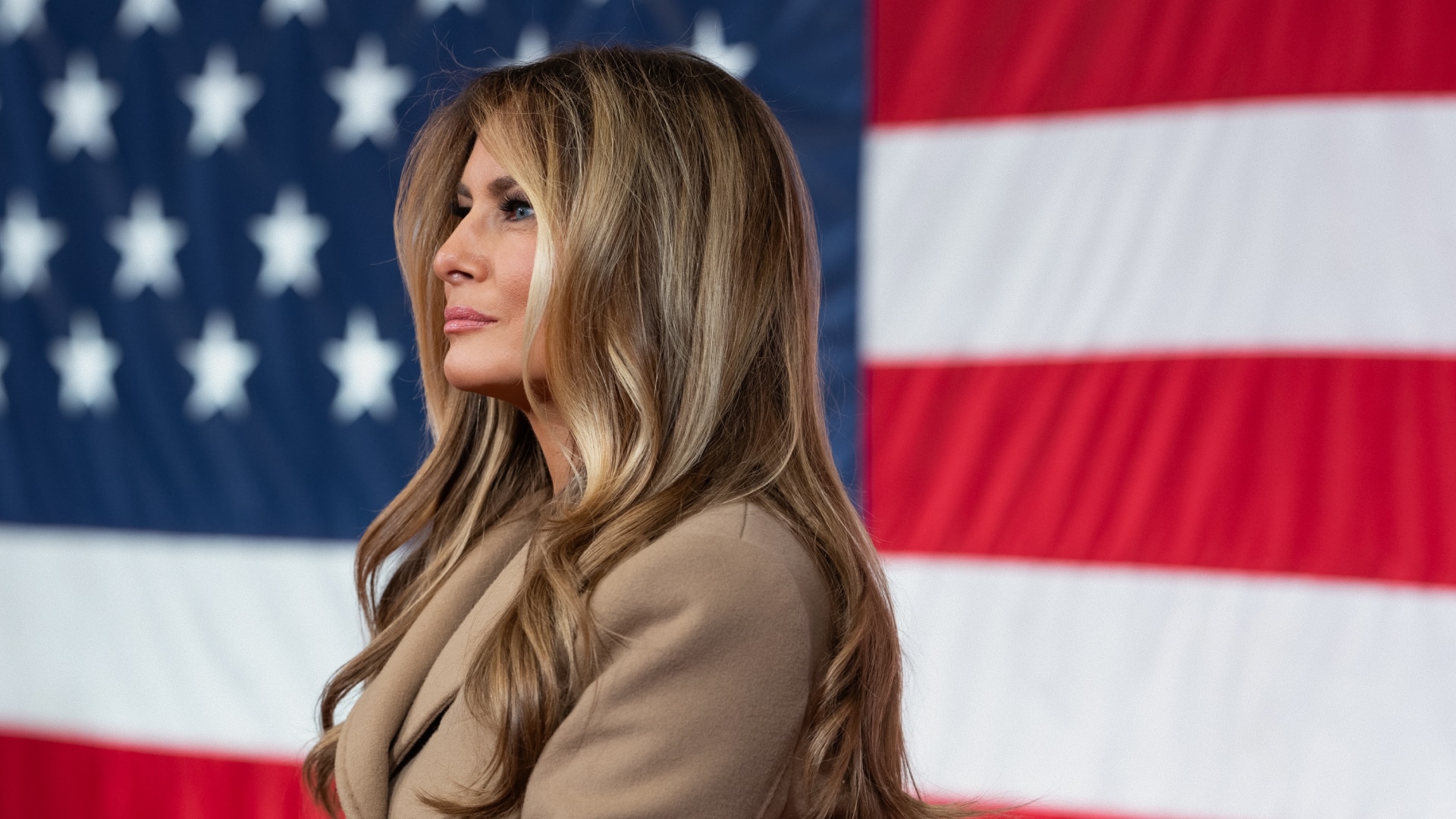
Last month, Melania Trump helped broker a humanitarian ceasefire and civilian evacuation in the Ukrainian town of Oleshky, establishing a diplomatic profile of her own that departs from the traditional role of a presidential spouse. Long regarded as one of the most private first ladies in U.S. history, Melania has increasingly pursued an independent agenda and cultivated a distinct public and political identity.
The development brings to mind a plot twist from the television series «House of Cards,» in which Claire Underwood, the wife of President Frank Underwood, eventually eclipses her husband and becomes president herself. In real life, however, Melania’s diplomatic initiatives have arguably yielded more tangible results than her husband’s efforts to end the war in Ukraine, according to Russian journalist Alexey Pivovarov in a recent report by the Redaktsiya channel devoted to the U.S. first lady.
How did this happen? How did a young woman from a small town in Slovenia, then part of Yugoslavia, become America’s first lady — and an intermediary between two countries at war?

The humanitarian evacuation of Oleshky
The initiative centered on Oleshky, a town on the left bank of the Dnipro River, across from Kherson, that has been under Russian occupation since 2022. Its prewar population of approximately 24,000 had dwindled to an estimated 1,700 to 2,000 residents, most of them elderly people living amid severe shortages of electricity, gas, food and communications.
Following discussions initiated during the U.N. General Assembly in September, Melania Trump helped broker a six-day localized ceasefire, which took effect Oct. 27 and ended Nov. 1. It enabled humanitarian aid deliveries, mine clearance and the evacuation of civilians. The pause was described as the longest local halt in fighting since Russia launched its full-scale invasion of Ukraine in February 2022.
Key developments included:
- Russian Human Rights Commissioner Yana Lantratova and Ukrainian Parliamentary Commissioner for Human Rights Dmytro Lubinets coordinated the humanitarian operation.
- After the ceasefire, Melania Trump brought representatives of Russia and Ukraine together at the White House on Nov. 5 to discuss the operation and its potential as a model for further humanitarian cooperation.
- Lantratova, who is under U.S. sanctions, attended the White House gathering after reportedly receiving special authorization to enter the country.
- Both ombudsmen expressed interest in continuing humanitarian cooperation and establishing regular evacuation arrangements for civilians in frontline areas.
Early life and modeling career
Melanija Knavs was born on April 26, 1970, in Novo Mesto, Slovenia, then part of Yugoslavia. She grew up in Sevnica, the daughter of a car dealer and a textile factory worker.
Raised in an environment relatively open to Western influences, she developed an early interest in fashion and participated in fashion shows as a child. She also excelled academically and served as her school’s treasurer.

At 15, she moved to Ljubljana to attend the Secondary School of Design and Photography. After graduating, she briefly studied at the University of Ljubljana before leaving to pursue a modeling career.
Her professional modeling career began at 16, after photographer Stane Jerko spotted her at a fashion show in January 1987. In 1992, she placed second in Slovenia’s Look of the Year modeling competition, which helped her secure opportunities in Milan and Paris. Around this time, she adopted the surname Knauss for her professional career.
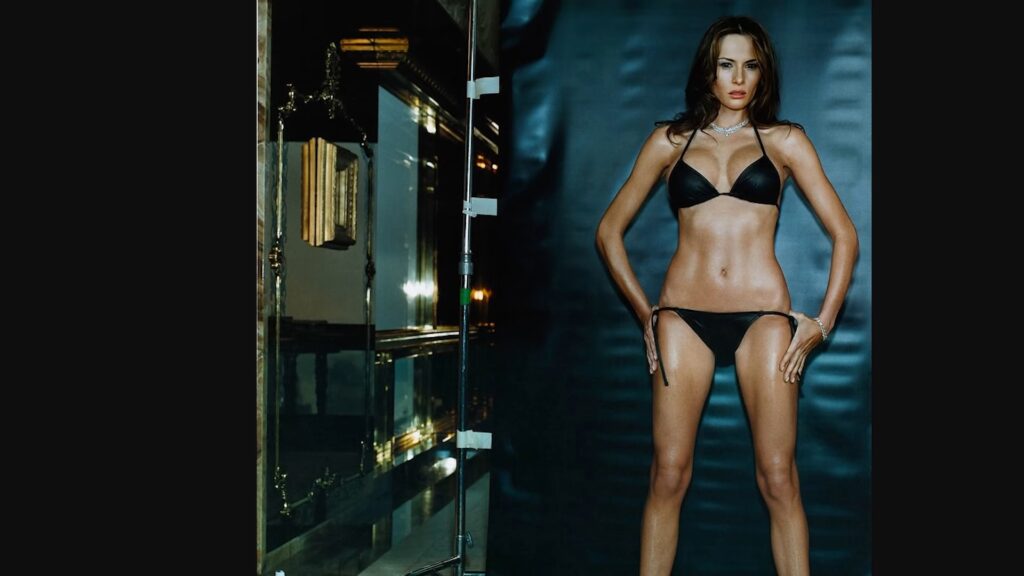
In 1996, with the help of modeling agent Paolo Zampolli, she moved to New York, where she built a commercial portfolio and appeared in magazines and publications including Fitness, GQ and Sports Illustrated. She obtained a U.S. green card in 2001 and became a naturalized U.S. citizen in 2006.
Her path to the White House
Melania met real estate developer Donald Trump in September 1998 at a New York Fashion Week party at the Kit Kat Club in Manhattan. She initially declined to give him her phone number, as he had arrived with another woman, but later contacted him.
The couple became engaged in April 2004 and married in Palm Beach, Florida, in January 2005. Their son, Barron Trump, was born in March 2006.
When Donald Trump first won the presidency in 2016, Melania approached the role of first lady on her own terms, Redaktsiya noted. She postponed her move to Washington until her son had completed the school year in New York, prioritizing her family’s needs over traditional White House protocol.
In May 2018, she launched her «Be Best» initiative, focusing on children’s well-being, online safety and the prevention of opioid abuse.
An independent political identity and agenda
Over time, Melania developed an independent public and political profile, occasionally departing from conventional expectations and even her husband’s political positions.
In 2018, during a visit to a Texas center for migrant children separated from their families at the U.S.-Mexico border, she wore a jacket bearing the words «I Really Don’t Care, Do U?» The choice sparked widespread controversy. In a subsequent interview with ABC News, she explained that the message was directed at critics in the media and that their criticism would not prevent her from pursuing her initiatives.
She also undertook a solo diplomatic tour of four African countries — Ghana, Malawi, Kenya and Egypt — in October 2018.
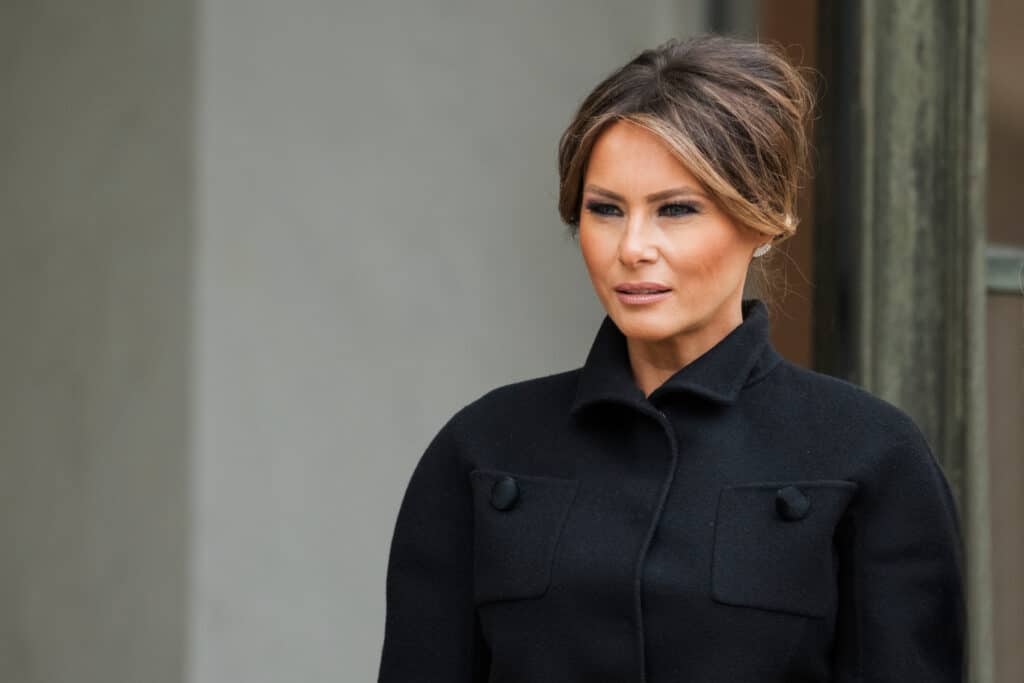
Her independence became particularly apparent in her 2024 memoir, «Melania,» in which she publicly defended abortion rights, expressing a position at odds with much of the Republican Party and her husband’s political stance.
During Donald Trump’s second term, she also took an active role in promoting the Take It Down Act, legislation targeting the nonconsensual distribution of intimate images, including AI-generated deepfakes. She lobbied members of Congress and joined her husband at the White House Rose Garden ceremony when he signed the bill into law in May 2025.
More recently, she has pursued direct diplomatic engagement with Russian President Vladimir Putin over the return of Ukrainian children separated from their families during the war. Her correspondence with Putin helped establish a channel of communication between the two countries, and the White House says her efforts have facilitated the reunification of dozens of children with their families.
