
Novo eyes expansion in Central Asia

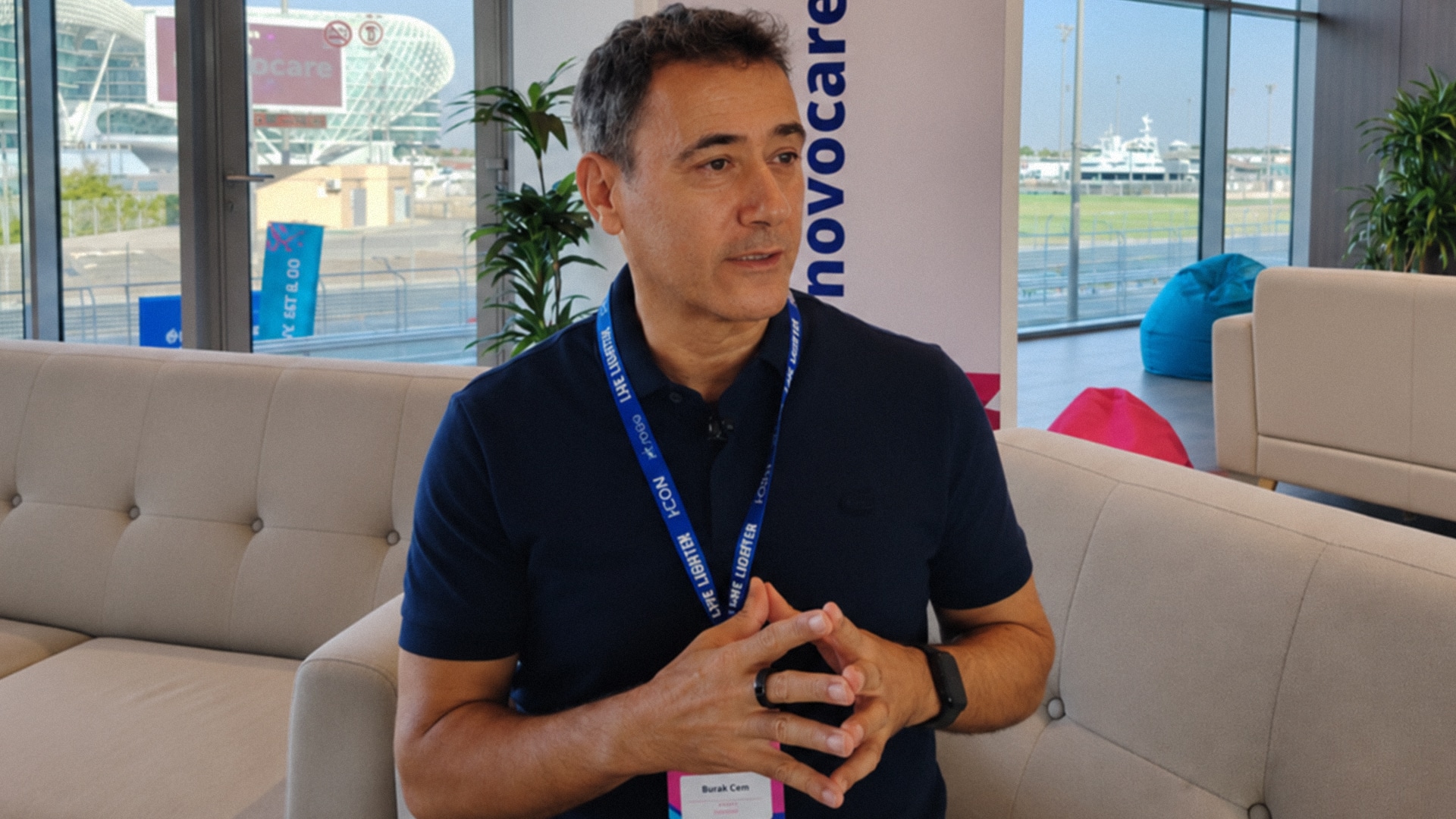
Danish pharmaceutical giant Novo (formerly Novo Nordisk) is eyeing Central Asia as a promising market for further expansion. The region currently accounts for less than 1% of revenue generated by Novo’s Middle East and Central Asia division, according to Burak Cem, the company’s regional vice president, who spoke to Kursiv.media on the sidelines of the iCON obesity summit in Abu Dhabi.
Novo, widely known for its diabetes medications, has been actively exploring obesity treatments in recent years. According to Cem, obesity is a far more complex condition than many people realize. Conventional advice to reduce calorie intake and increase physical activity does not work equally well for everyone. Obesity is, in fact, a chronic disease recognized by the World Health Organization, and its treatment requires a comprehensive approach that takes into account endocrine, psychological, hormonal and other factors.
«One of the causes of diabetes is obesity,» Cem said, adding that the company has been investigating the mechanisms that regulate appetite and body weight.
In particular, Novo has developed and manufactures Ozempic and Wegovy, medications that target glucagon-like peptide-1 (GLP-1) receptors. These drugs help activate the body’s natural appetite-regulating mechanisms and increase feelings of fullness, helping patients lose weight.
Drug registration and accessibility
Novo’s medications are already available in Azerbaijan and Kazakhstan, and the company intends to expand its presence in other Central Asian and CIS countries. According to Cem, one of the main obstacles is the lengthy process of registering new medications before they can enter the market.
«We would like to bring our innovative products to these markets, but we need faster registration and approval procedures,» he explained.
At the same time, Cem emphasized that Novo measures its performance by more than just commercial results. Because the Novo Nordisk Foundation controls the company, it places considerable emphasis on scientific research and addressing public health challenges.
«Of course, we need to secure our financial results to continue research and development. But we are also looking at how we can make a difference in public health. That’s why we say, ‘Lasting health starts now.’ We need to act now. This is a major public health challenge, and we need to tackle it together,» he stressed.
In particular, the company seeks to build close relationships with national healthcare systems, hoping that such cooperation will help develop effective disease prevention programs and accelerate the introduction of new medications to local markets.
In Kazakhstan, where Novo has a fully established representative office, the company focuses on collaborating with local healthcare professionals. The company also organizes various events aimed at preventing and treating chronic diseases such as diabetes and obesity.
Addressing the affordability of obesity medications, Cem said these treatments could become more accessible in the future. He explained that developing new drugs requires substantial investment in research and clinical trials. As a result, patents protect original medications for a certain period, allowing pharmaceutical companies to generate the revenue needed to finance further research and development.
However, once patent protection expires, more affordable alternatives may enter the market.
Cem pointed to the diabetes treatment market as an example, noting that it now includes numerous manufacturers and a wide range of medications. Meanwhile, the number of people living with overweight or obesity who may also need medical treatment is significantly larger than the number of people with diabetes.
«In five to 10 years, many new products will be on the market. There will be more treatment options, and as patents expire, more affordable medications will become available,» he predicted.
Given that obesity is often accompanied by other health conditions whose treatment places a substantial burden on public healthcare systems, the emergence of proven and affordable weight-management medications could represent a significant step forward, Cem concluded.
