
UK imposes sanctions on Russia’s SIBUR; Kazakhstan could feel the impact


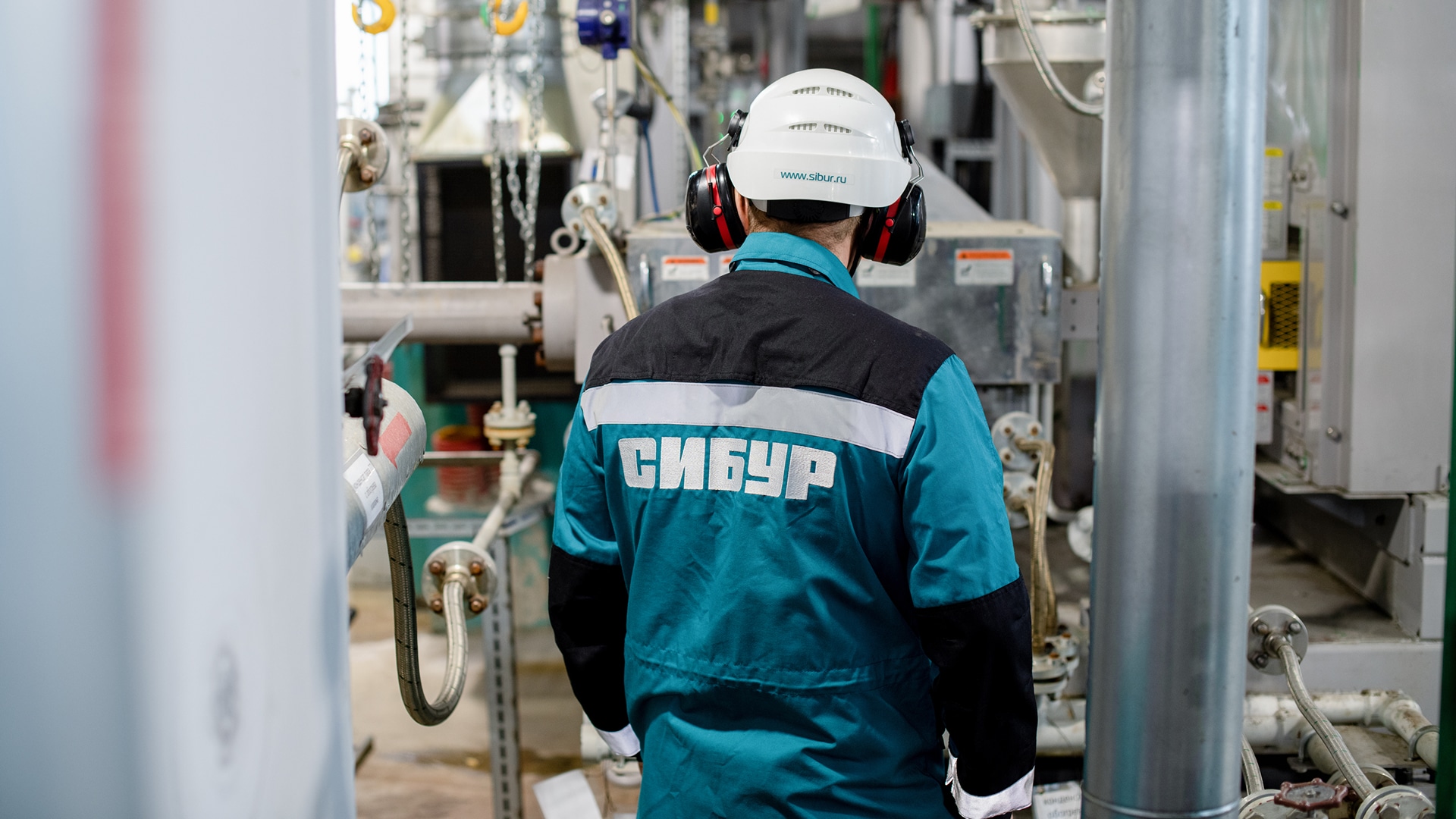
On Nov. 12, the U.K. added Russian petrochemical giant SIBUR to its sanctions list. The company holds stakes in two major projects in Kazakhstan’s Atyrau region: a 40% interest in polypropylene producer KPI and a 30% stake in the Silleno polyethylene complex, which is currently under construction.
According to Oleg Chervinsky, a Kazakhstani journalist and oil and gas industry expert, the sanctions will not necessarily halt the projects in Kazakhstan. Still, they will complicate dealings with international banks and other foreign counterparties.
SIBUR is one of Russia’s largest petrochemical companies and the country’s leading producer of polymers and synthetic rubber. Its products are used in construction, food production, medicine, agriculture and other industries.
The U.K. has imposed asset-freezing sanctions on the company. The measures include an asset freeze, restrictions on trust services and certain restrictions affecting the company’s directors and board members. Transport restrictions also apply to vessels and aircraft owned, controlled or operated by the company.
The U.K. justified the sanctions by citing SIBUR’s involvement in Russia’s strategically important energy sector and its alleged ties to the Russian authorities.
What links SIBUR to Kazakhstan?
In Kazakhstan, SIBUR is involved in two major polymer production projects. The first is the Kazakhstan Petrochemical Industries (KPI) plant in the Atyrau region, which is currently operating at a loss. SIBUR holds a 40% stake in the enterprise, while Kazakhstan’s national oil and gas company KazMunayGas (KMG) owns 49.5%, Samruk-Kazyna Ondeu holds 9.5%, and Almex Plus owns 1%.
The KPI plant began operations in November 2022 and has an annual production capacity of up to 500,000 tons of polypropylene. In 2025, the facility produced 377,000 tons, remaining below its design capacity three years after its launch.
SIBUR is also involved in the Silleno project, which involves building a polyethylene complex. The company holds a 30% stake in the project, while KMG and China’s Sinopec each own 30%. KMG PetroChem holds the remaining 10.1%.
The complex is being built in the Atyrau region and is designed to produce 1.25 million tons of polyethylene annually. According to the Atyrau regional administration, the project was 40.9% complete as of Oct. 30.
Do sanctions put the projects at risk?
U.K. sanctions do not automatically extend to Kazakhstan, the EU or the U.S. Under British regulations, financial sanctions apply to individuals and companies operating within the U.K., as well as British citizens and legal entities, regardless of where they are located.
Sanctions may also apply to companies that are not explicitly listed but are owned or controlled by sanctioned entities. U.K. regulations consider not only ownership of more than 50% of shares or voting rights but also the power to appoint a majority of a company’s board of directors or effectively control its decisions.
Therefore, SIBUR’s stakes in KPI and Silleno do not, by themselves, mean that the two joint ventures automatically fall under U.K. asset-freezing restrictions. A definitive assessment would require examining the companies’ shareholder agreements and the Russian partner’s actual decision-making authority.
«However, being included on London’s sanctions lists sends a highly toxic signal to international banks, insurers, logistics providers and equipment licensors,» Chervinsky noted.
According to Chervinsky, the sanctions will, at a minimum, complicate compliance procedures and international financial transactions. He also warned that Brussels and Washington could follow London’s lead.
As an example of how sanctions can affect major projects in Kazakhstan, Chervinsky cited the Kalamkas-Sea – Khazar project. In March 2026, KMG announced the suspension of the project, which it had been developing in partnership with Russia’s LUKOIL, citing sanctions as one of the reasons for the decision.
