


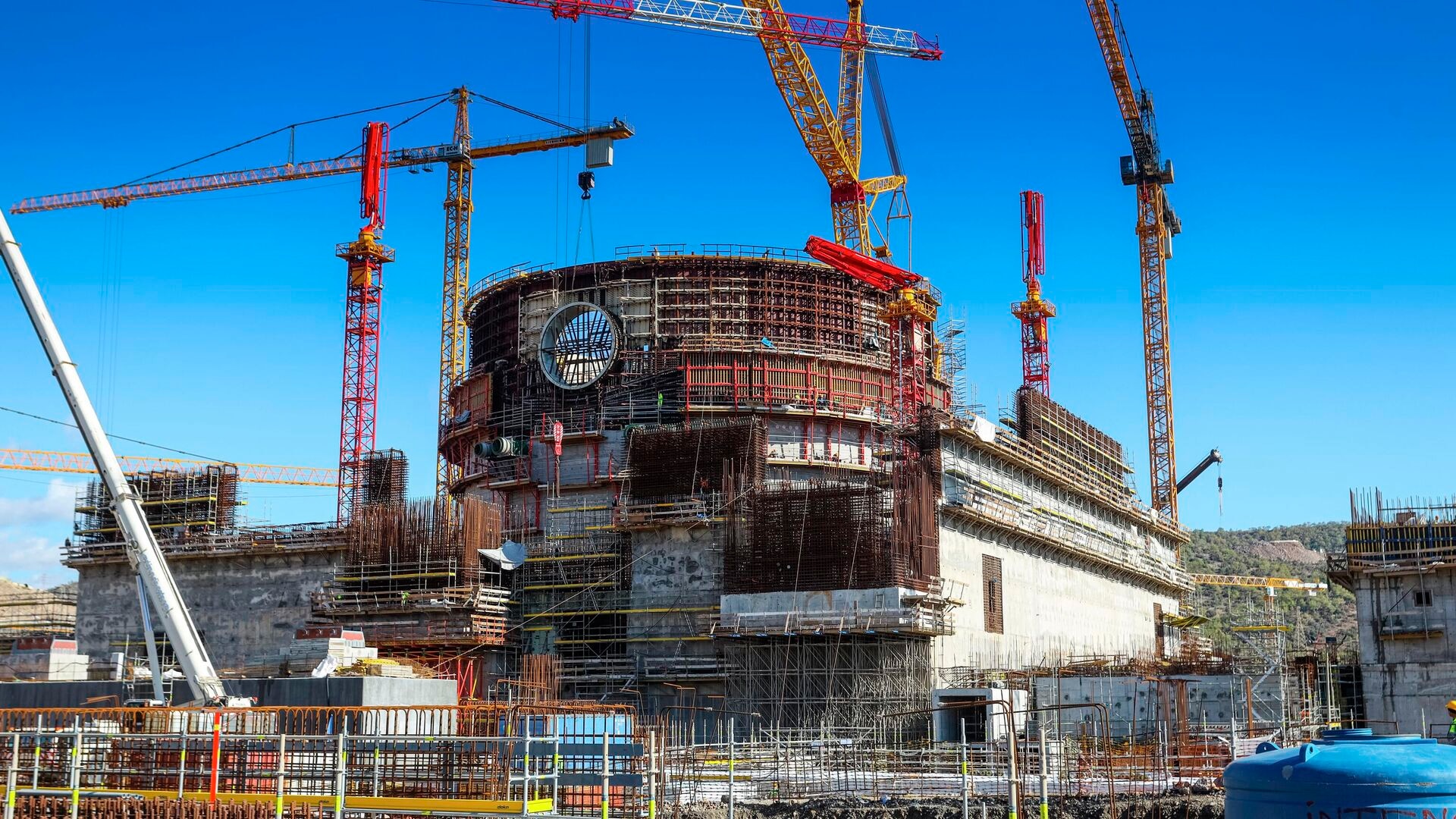
Local companies could perform approximately 30% of the work involved in building a nuclear power plant (NPP), while nuclear-generated electricity offers greater long-term price predictability, said Kirill Komarov, Rosatom’s first deputy director general for development and international business. He cited the example of the nuclear power plant the Russian state corporation plans to build in Uzbekistan.
«What is the main advantage of nuclear energy? When you build a nuclear power plant, you know what the cost of electricity will be 60 to 100 years into the future,» he told reporters on the sidelines of Rosatom’s World Atomic Days forum in Antalya, Turkey.
Komarov also noted that fluctuations in uranium prices have a much smaller impact on nuclear power plants than changes in gas or coal prices have on power plants that rely on those fuels.
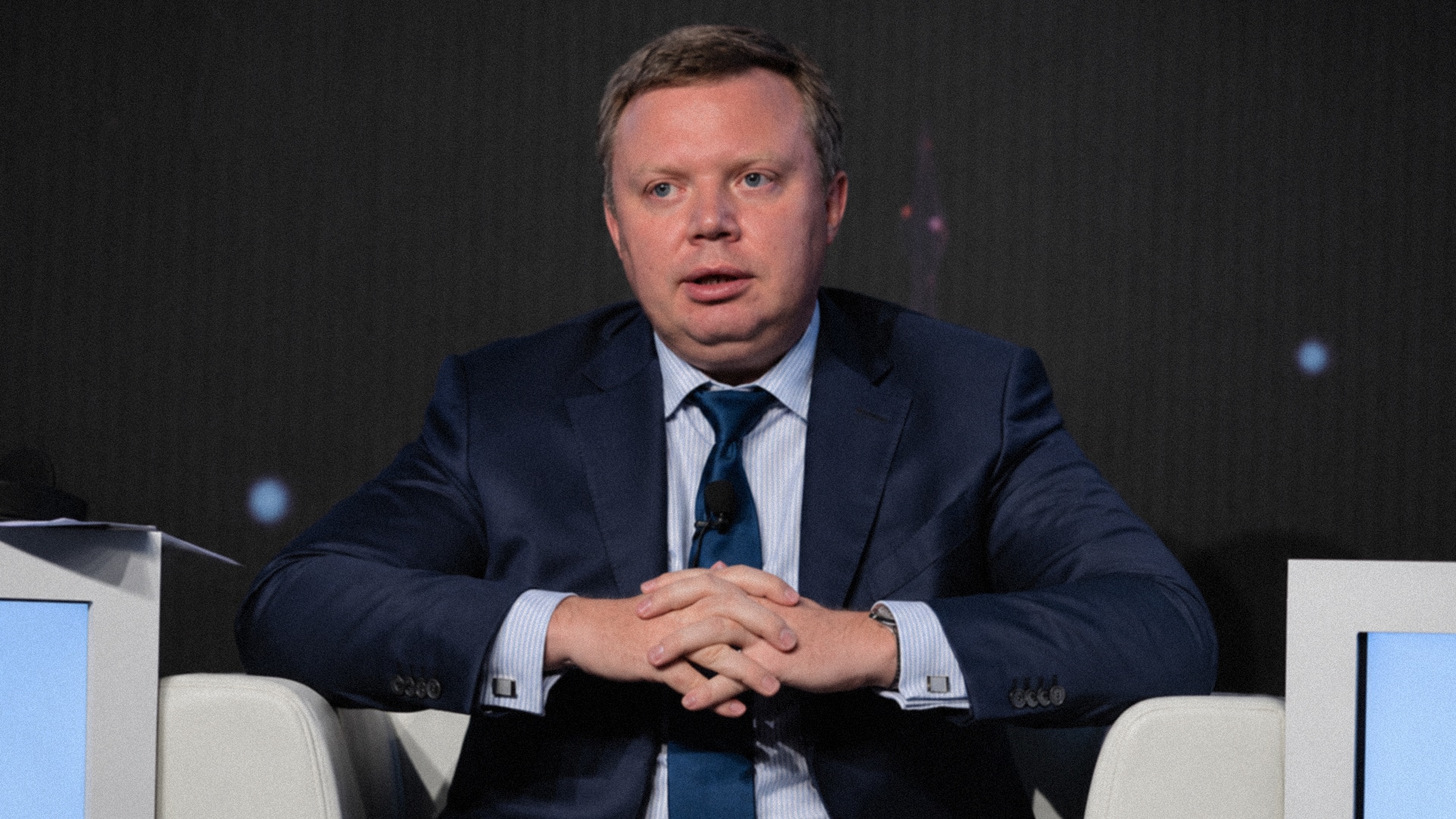
«For a gas- or coal-fired power plant, fuel costs account for 60% to 80% of the final price of electricity. This means that if the price of gas doubles, you can expect electricity costs to rise substantially. In contrast, nuclear fuel accounts for only 5% of the cost of electricity generated by an NPP. Even if uranium prices doubled — which would actually be good news for both Uzbekistan and Russia, as we are major uranium producers and exporters — the impact on nuclear-generated electricity prices would be minimal, amounting to just a 4% to 5% increase,» Komarov explained.
Local companies and jobs
Komarov added that local businesses could carry out approximately 30% of the work on the Uzbek project.
Read also: Uzbekistan explains why it chose Rosatom as contractor for its first NPP.
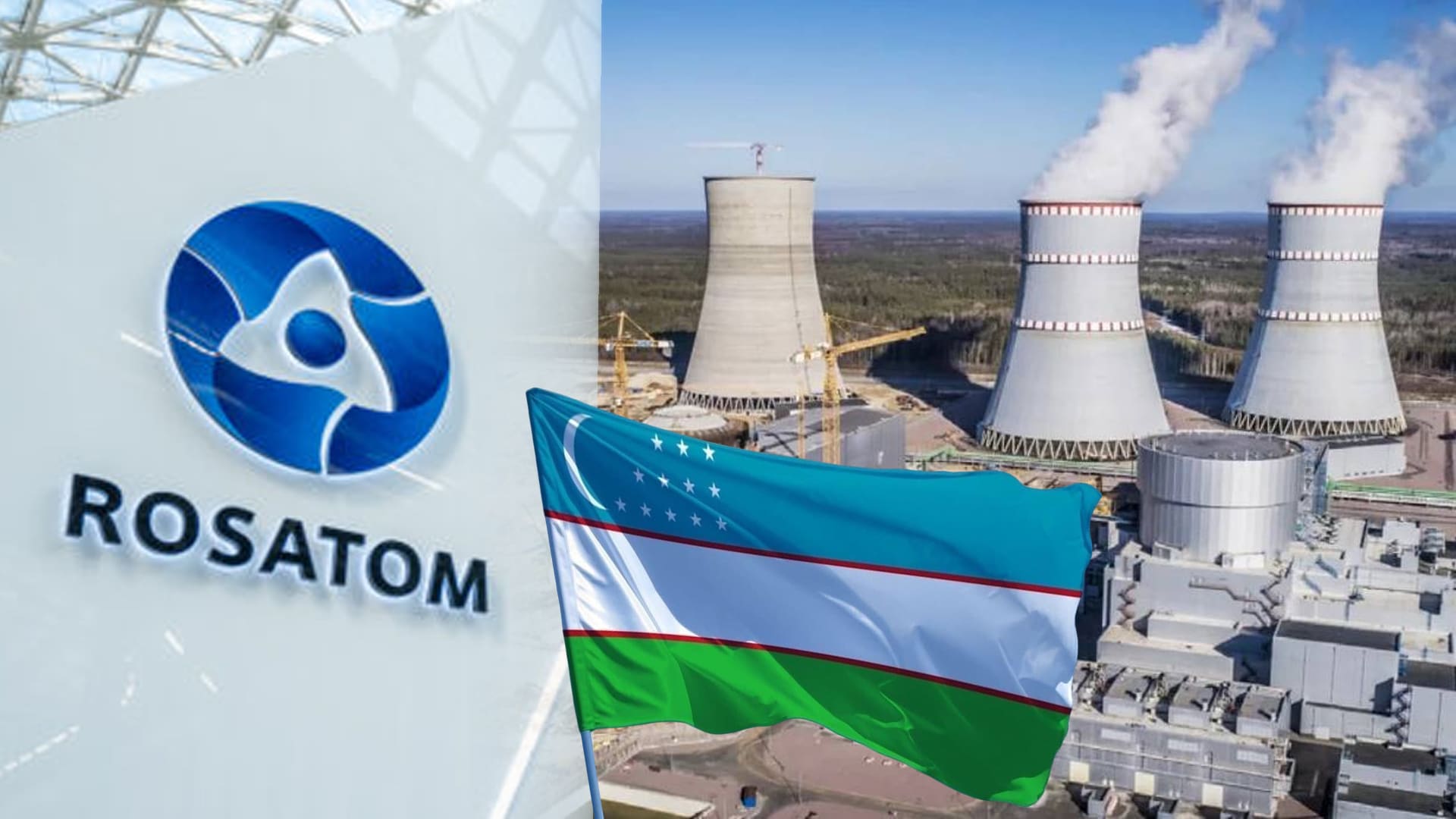
«In Uzbekistan, we expect at least 25% to 30% of the total work to be performed by local companies, ranging from construction to the supply of equipment, concrete, rebar, cables and metal structures. At the peak of construction of a two-unit NPP, there are typically 10,000 to 15,000 people working on-site,» he said.
The construction of an NPP also generates indirect economic benefits for other industries.
«After all, the 10,000 to 15,000 people working at the plant need to be fed and clothed. They have families, they earn wages, and taxes are paid on those earnings. All of this has a positive impact on the national economy,» the Rosatom executive said.
Komarov noted that a town typically develops near a nuclear power plant, providing housing and infrastructure for current and future employees of the nuclear industry and their families.
«I suggest you visit a place like Ostrovets in Belarus. When we first began building the Belarusian NPP there, it was essentially a small village. Today, it is a town with a population of 30,000, featuring modern infrastructure, attractive multistory residential buildings, public squares, parks, excellent schools and hospitals,» he said.
In Komarov’s view, these improvements in quality of life are an added benefit that comes with nuclear energy projects.
Reliable electricity for growing economies
Another advantage of nuclear power, Komarov said, is its ability to provide baseload electricity, operating around the clock regardless of weather conditions.
«Regardless of whether the wind is blowing, the sun is shining or what the weather is like outside, a nuclear power plant will keep running,» he said.
He also pointed out that several Central Asian countries, particularly Kazakhstan and Uzbekistan, have some of the world’s largest uranium reserves.
«It would therefore be highly illogical to produce uranium for the global market while failing to use it domestically to manufacture fuel for one’s own nuclear power plants,» he said.
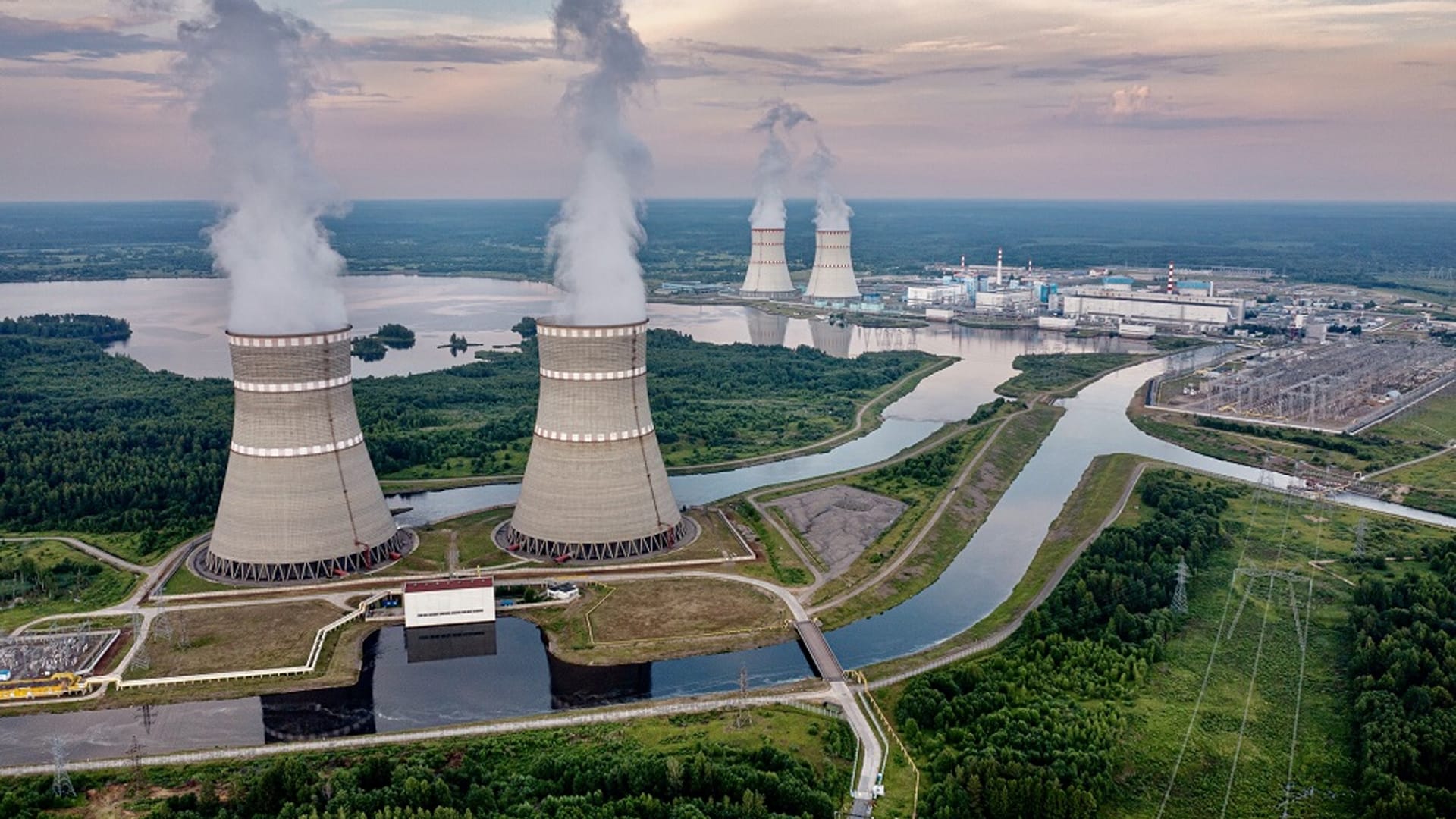
Read also: Why Russia’s Rosatom is the undisputed pick for Kazakhstan’s first nuclear plant.
Komarov noted that economic growth in Central Asia is outpacing the global average. At the same time, the region’s population is growing, driving up electricity demand.
«Last year, electricity consumption in Turkey for air conditioning alone surged by 19%. This shows that the climate is changing and becoming hotter. It also reflects rising prosperity, as people can now afford to buy more household appliances,» he said.
He added that virtually all modern equipment — from personal electronic devices and electric vehicles to air conditioners, refrigerators, televisions, washing machines and smart home systems — depends on electricity.
«In Kazakhstan, we are working on a project to build a two-unit NPP, with each unit having a capacity of 1,200 megawatts (MW) …Once the planned nuclear plant in Uzbekistan is completed, it will generate approximately 15% of the country’s total electricity. In Kazakhstan, the two units will account for nearly 20% of the national power system,» Komarov said.
Nuclear power and export competitiveness
Komarov also argued that companies using low-carbon nuclear-generated electricity would be better positioned to sell their products in markets where buyers increasingly consider a manufacturer’s carbon footprint.
«Today, Kazakhstan engages with a vast number of countries worldwide, exporting its products to Europe, the U.S. and various Asian markets. Buyers in these markets ask companies to show the carbon footprint of their products and explain what kind of energy they used to produce metals, manufacture goods or make specific equipment,» he said.
Komarov believes that using nuclear-generated electricity could give such companies a competitive advantage in international markets.
He also noted that thousands of students from Central Asian countries are enrolled in nuclear science and related degree programs at Russian universities. Branches of MEPhI (National Research Nuclear University) have been established in Kazakhstan and Uzbekistan, with nearly 500 students enrolled at the two campuses.
Read also: Drones and nuclear power: Kazakhstan’s surprising college curriculum.
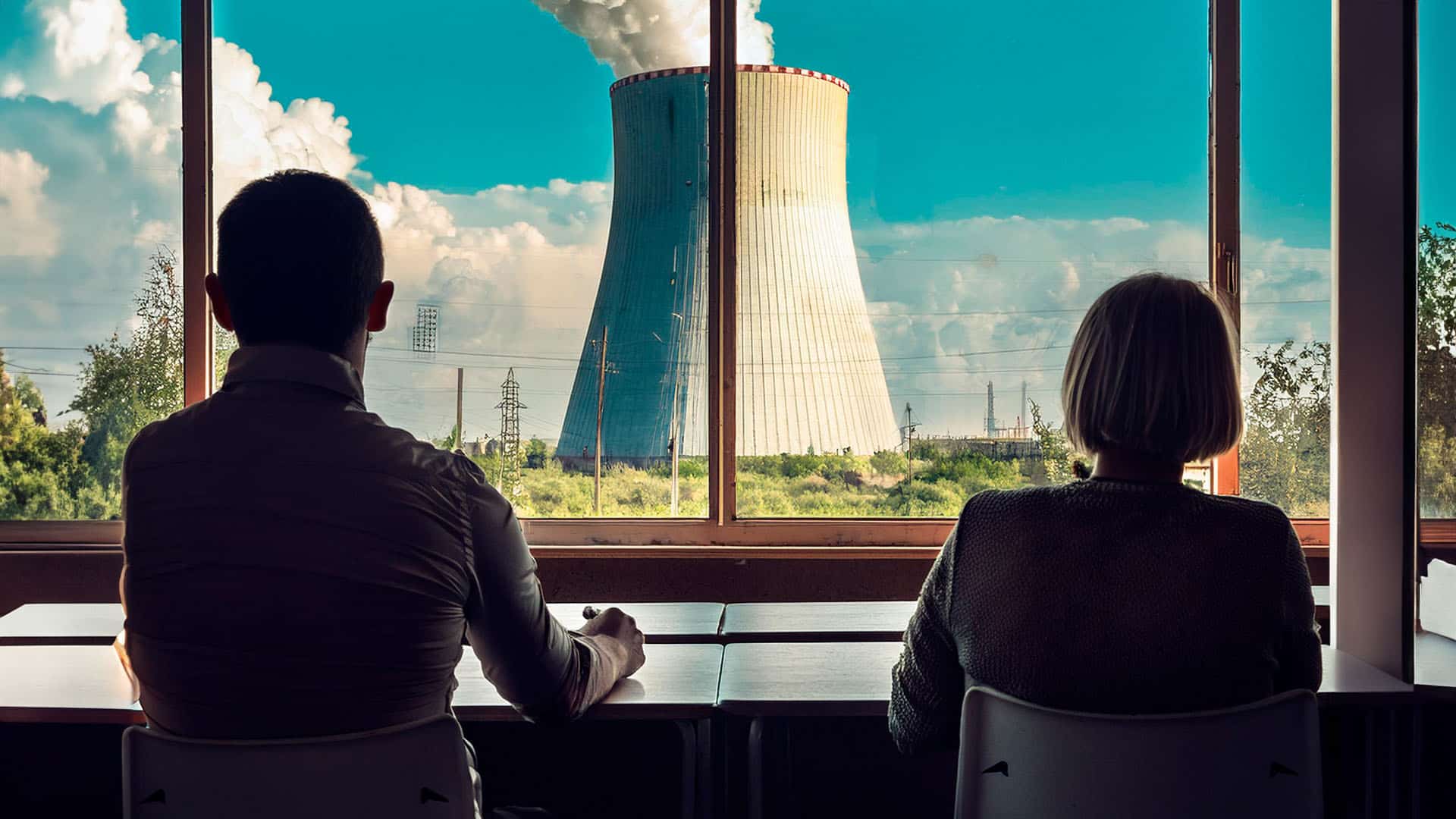
Nuclear power projects in Kazakhstan and Uzbekistan
Rosatom is set to build Kazakhstan’s first nuclear power plant on the shores of Lake Balkhash, near the village of Ulken in the Zhambyl district of the Almaty region. The planned facility will have two VVER-1200 reactors, each with a capacity of 1,200 MW, giving it a combined capacity of 2.4 gigawatts (GW). The project is valued at approximately $15 billion.
Kazakhstan’s Agency for Atomic Energy has said that local companies could supply goods, perform construction work and provide services accounting for up to 30% of the project’s total value. Construction is expected to begin in 2027, with the plant scheduled to enter service in 2035.
During the World Atomic Days forum, Alparslan Bayraktar, Turkey’s minister of energy and natural resources, said Turkish companies had performed approximately 50% of the construction work at the Akkuyu NPP. He added that physical startup of the plant’s first reactor was expected within the coming weeks.
Meanwhile, Alexey Likhachev, CEO of Rosatom, said the corporation was awaiting approval from Turkey’s nuclear regulator to begin the next stage of testing at the site. If everything proceeds as planned, the first unit is expected to begin supplying electricity to Turkish consumers in January or February 2027, he told reporters.
In Uzbekistan, Rosatom plans to build the country’s first integrated nuclear power plant near Lake Tuzkan in the Farish district of the Jizzakh region. The facility will comprise two VVER-1000 reactors and two smaller RITM-200N reactors, each with a capacity of 55 MW.
Read also: With Rosatom in doubt, is China Uzbekistan’s nuclear plan B?
The project is valued at $9.5 billion and is expected to be commissioned in 2035. The current share of local companies in the supply of goods, construction work and services is estimated at 21%. However, Uzbek President Shavkat Mirziyoyev has instructed officials to increase that figure to 30%.
