

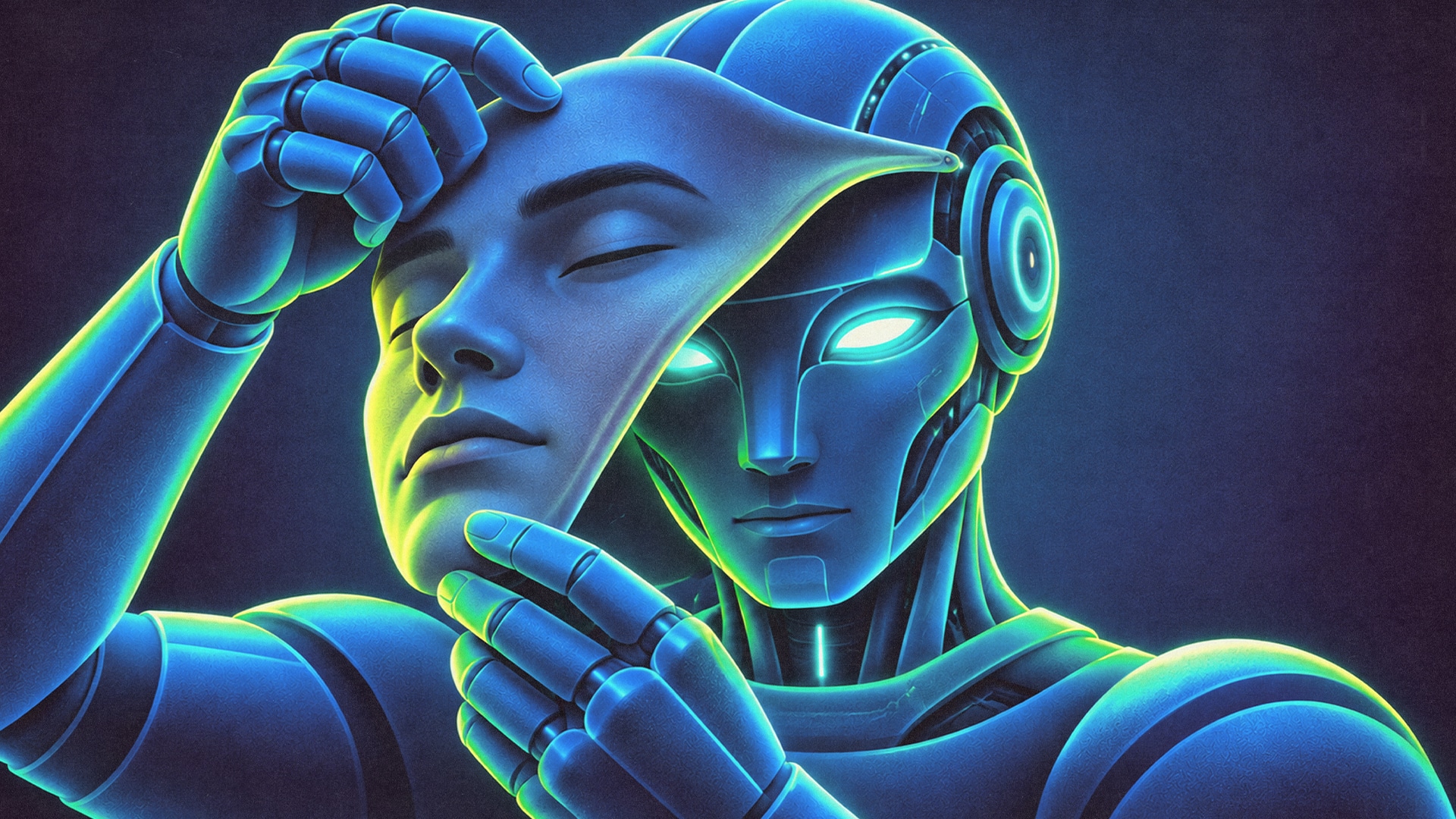
The Cambridge Dictionary has named the adjective «human» its 2026 Word of the Year, reflecting the rapid development of artificial intelligence (AI), its growing presence in everyday life and increasing concerns about its impact on people.
The dictionary defines «human» as «having the qualities, faults, and feelings that people have, as opposed to gods, animals, or machines.» While the word has traditionally distinguished people from animals and gods, its use in contrast with machines is more recent.
In its Word of the Year announcement, the Cambridge Dictionary describes 2026 as a potentially pivotal moment in the relationship between humans and machines. It points to a study by researchers at the University of California, San Diego, which found that GPT-4.5 was judged human in 73% of cases.
The dictionary also highlights the growing use of terms such as «human-written,» «human-generated» and «human-made.» These labels are increasingly used in business and creative industries to distinguish human-produced work from AI-generated content.
The word «human» comes from Middle French «humain,» derived from Latin «humanus.» By the 16th century, it had become established in English in the spellings «humaine» and «humain.»
The shortlist for the 2026 Word of the Year included «analogue» (adjective), «agent» (noun), «wholesome» (adjective) and «chic» (adjective). Last year’s Word of the Year was «parasocial.»
Kursiv.media previously reported that Merriam-Webster named «slop» its 2025 Word of the Year.
